





Free worldwide shipping
Free returns
Carbon neutral
Secure payments
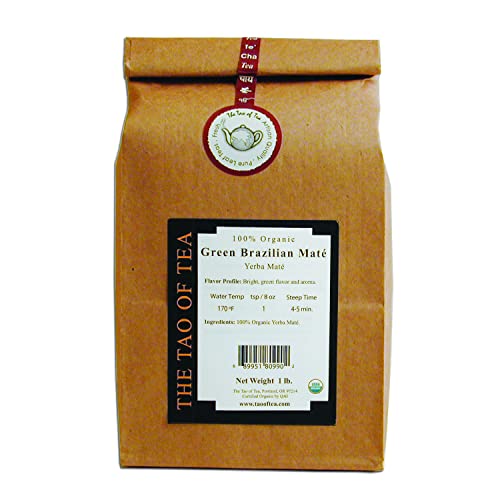
| UPC | 689951809902 |
|---|---|
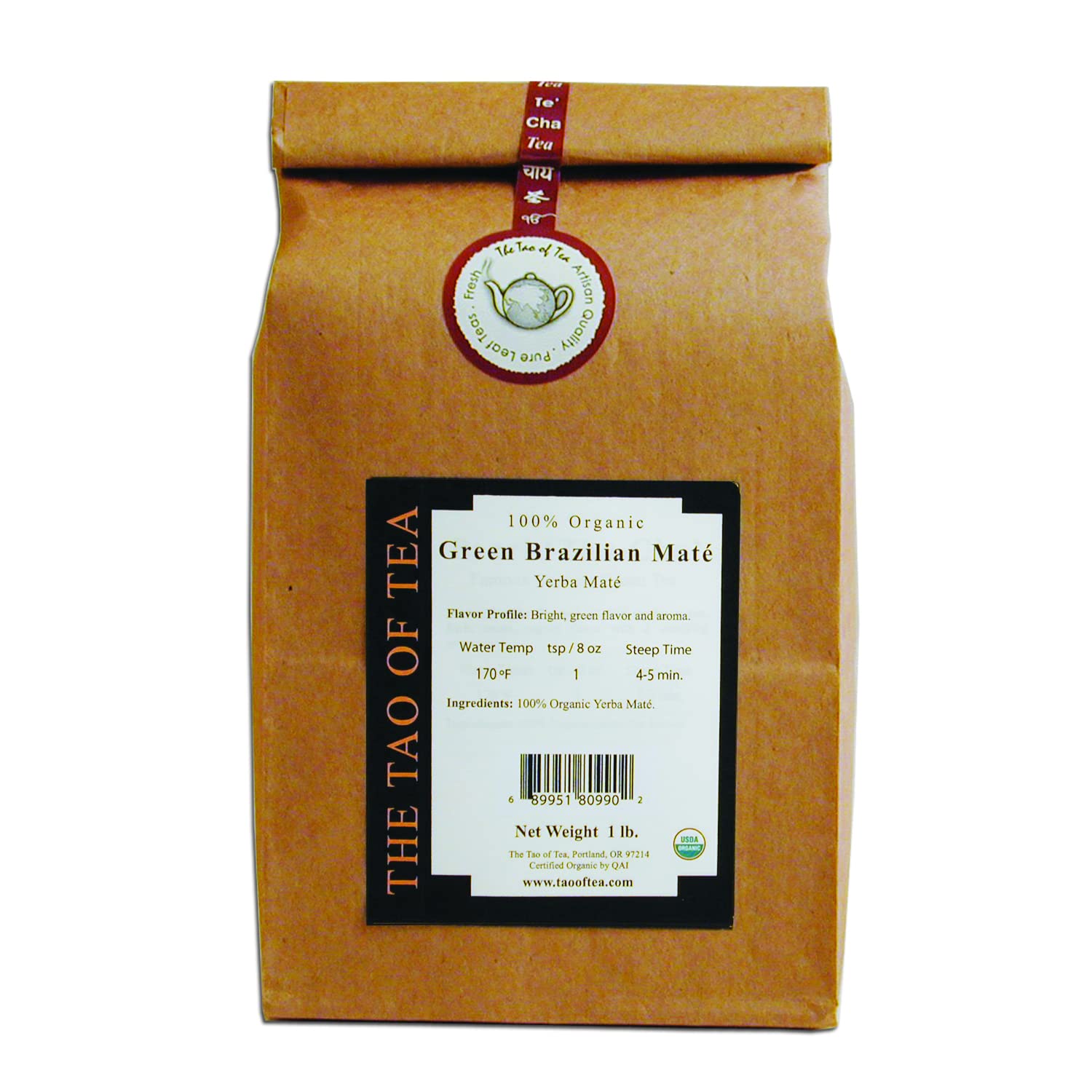
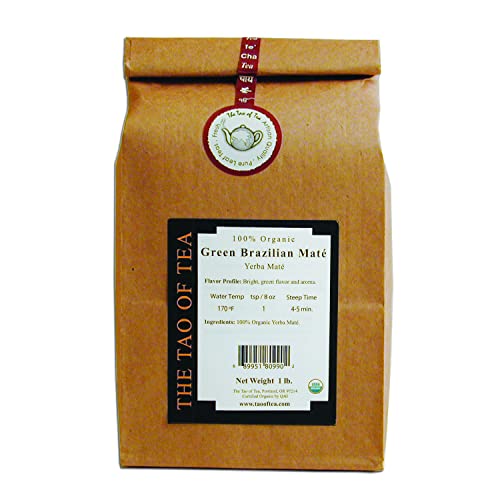
| Flavor | Green Brazilian Mate |
| Item Form | Loose Leaves |
| Specialty | Organic |
| Unit Count | 16 Ounce |
| Item Volume | 16 fluid ounces |
| Item Weight | 16 ounces |
| Tea Variety | Green |
| Manufacturer | The Tao of Tea |
| Container Type | Bag |
| Each Unit Count | 1 |
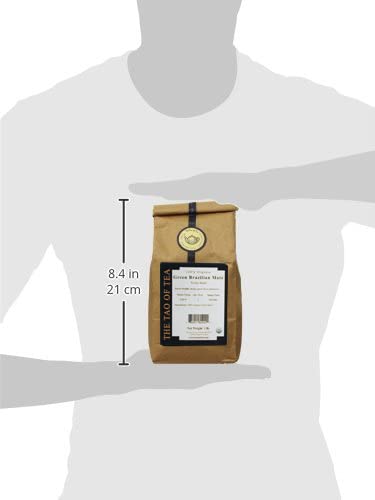
| Item Dimensions | 12 x 12 x 12 inches |
| Number of Items | 1 |
| Product Benefits | Support Digestion |
| Package Size Name | 1-Pounds |
| Special Ingredients | Brazilian Green Tea |
| Allergen Information | Gluten Free |
| Sweetness Description | not sweet |
| Caffeine Content Description | Caffeinated |
| Global Trade Identification Number | 00689951809902 |
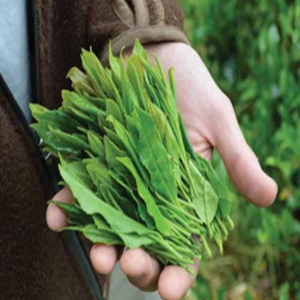
We offer a wide variety of specialty teas as well herbs and blends, and our focus has always been on sourcing the best tea leaves (camellia sinensis) possible. Similar to grapes, tea plants have many regions, varietals, processing methods, and seasons. We as merchants are particular in working with growers to secure exceptional-tasting leaf each season, as good tea sells out very quickly and is seldom made in large quantities. We pledge to share teas made with artistry and skill, and to help educate on tea origins, processing methods, flavor vocabulary, and spirit.

Care for the soil and tea plants must be coupled with recognition and sustainability of surrounding ecosystems. The genesis of tea plants was in naturally occurring tea forests where bio-diversity creates rich flavor. We are proud to be among the leading group of companies to offer certified organic teas, and we seek to raise awareness for sustainable tea farming methods.
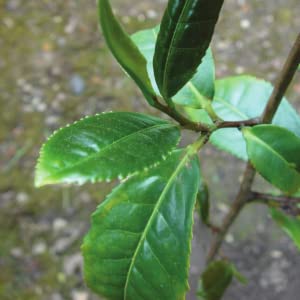
Making handcrafted tea has become less common over the years in favor of more modern, mechanized methods. In China, the old style roasting of green tea leaves in a wok over fire has given way to electric woks or industrialized ovens and roasters. Rolling of Oolong tea leaves by hand in Taiwan has given way to mechanical presses that mimic these hand movements. The most sophisticated modern methods can probably be found in Japan, where color sorting of leaves is done by laser-guided machines. Although these methods have allowed more yield for farmers, they are a departure from the art of the leaf.
Our focus is to offer teas that have been made per old-style methods. These approaches vary with the landscape and few remain committed to the raw form of tea spirit. Our work attempts to provide new infusions of energy and channels for traditional skills to be recognized.
loading