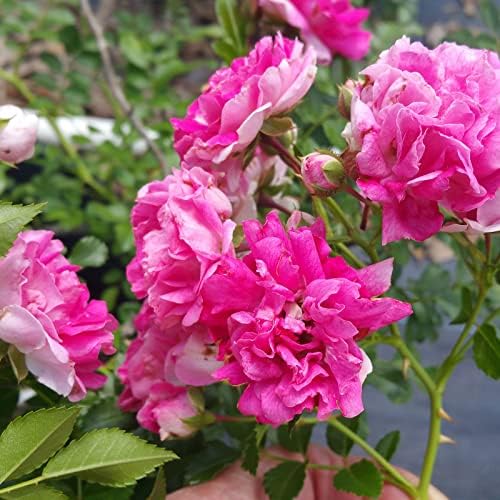
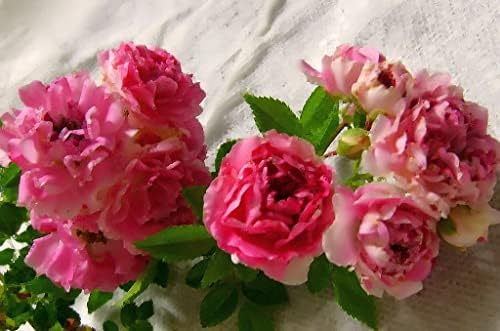


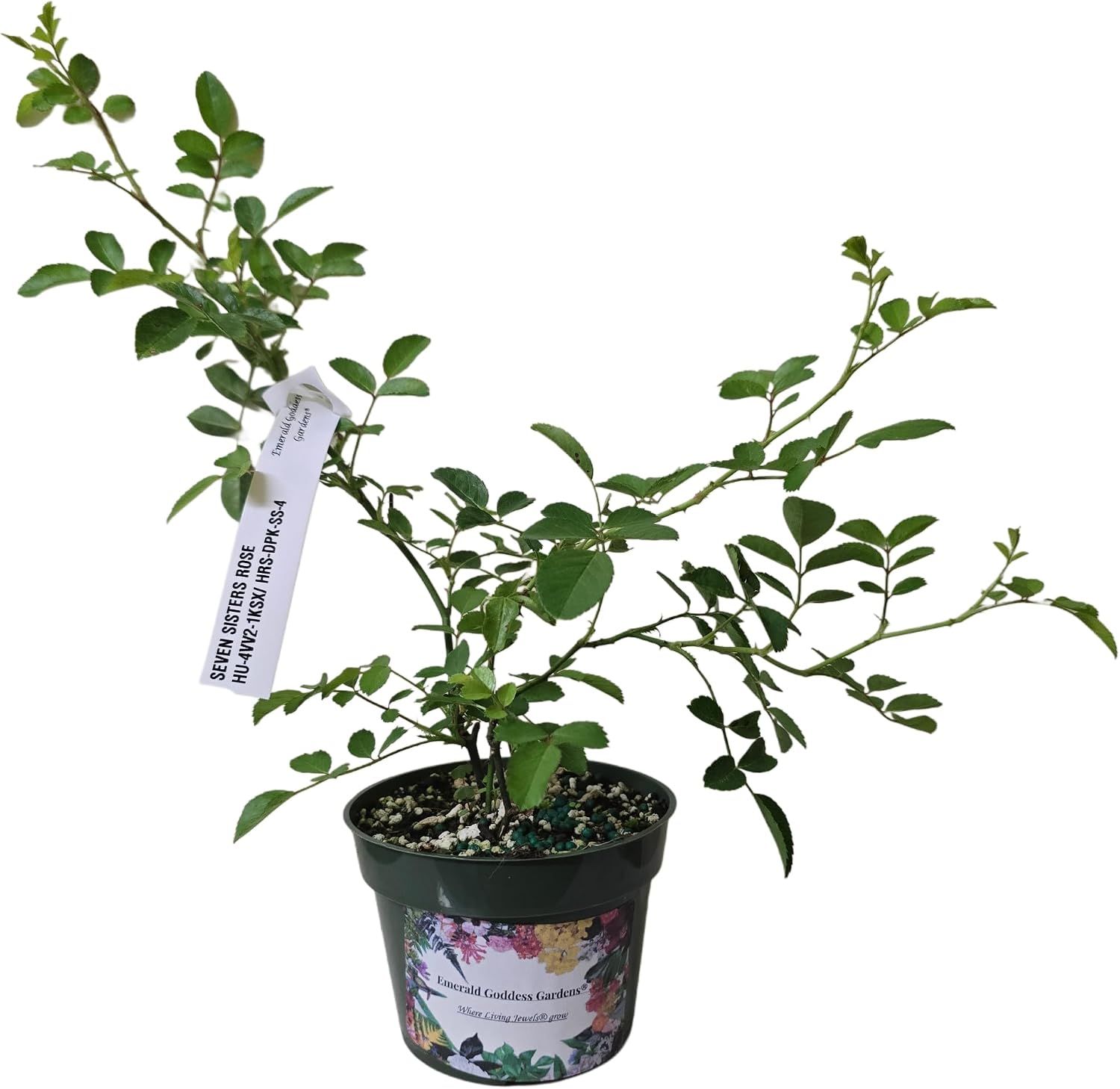
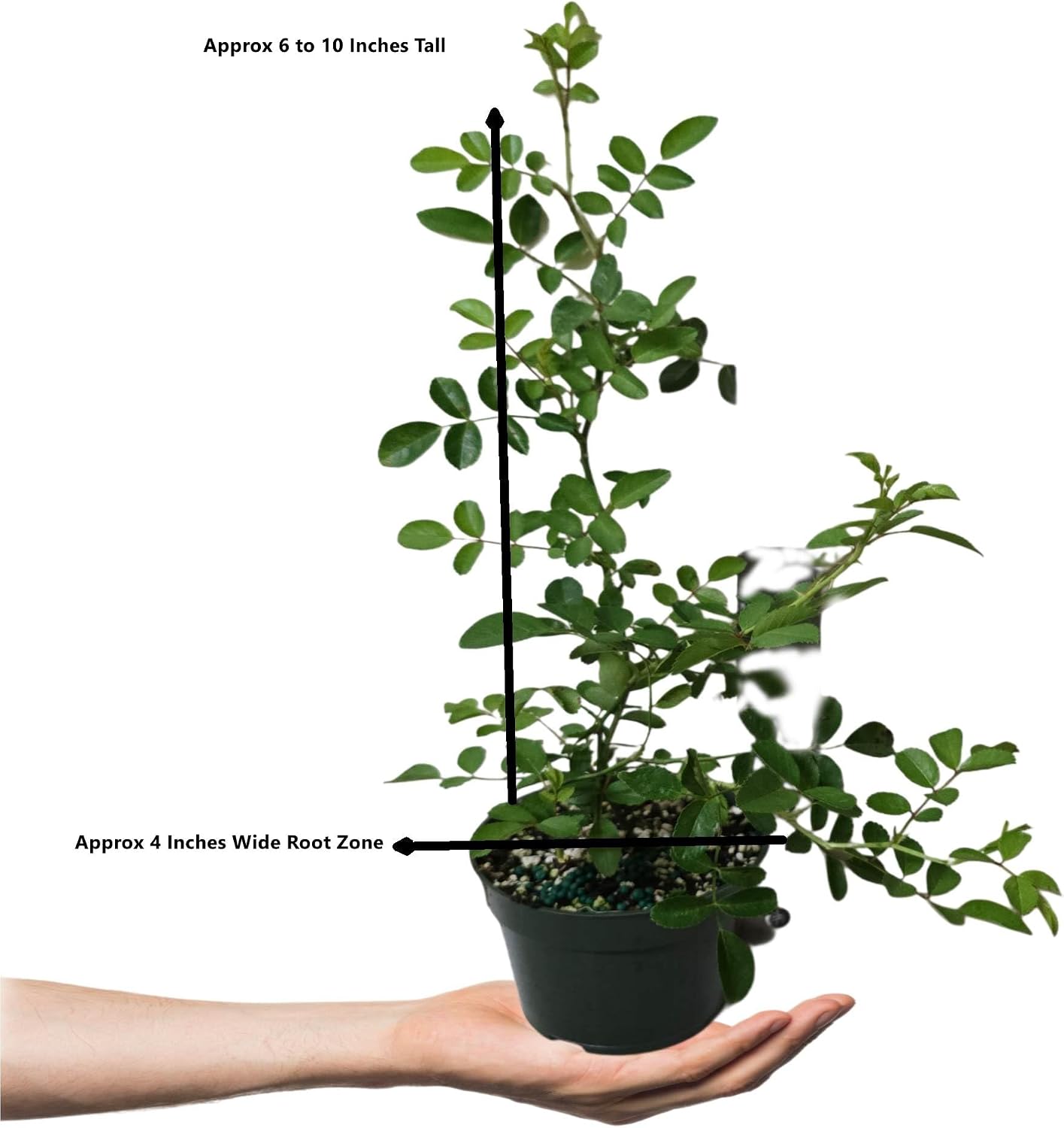


Free worldwide shipping
Free returns
Carbon neutral
Secure payments
| Indoor Outdoor Usage | Outdoor |
|---|---|
| Other Special Features of the Product | Attracts Pollinators, Disease Resistant, Fragrant, Own Root Rose, Seasonal Bloom |
| Expected Blooming Period | Spring to Summer |
| Sunlight Exposure | Full Sun |
| Expected Planting Period | Spring |
| USDA Hardiness Zone | 6,7,8,9 |
| Expected Plant Height | 15 feet |
| Soil Type | Fertile Well-Draining |
| Moisture Needs | Moderate Watering |
| Material Features | California Certified, Grown In USA, Heirloom, Live Plant, Starter Size |
| Product Care Instructions | Prune after flowering |
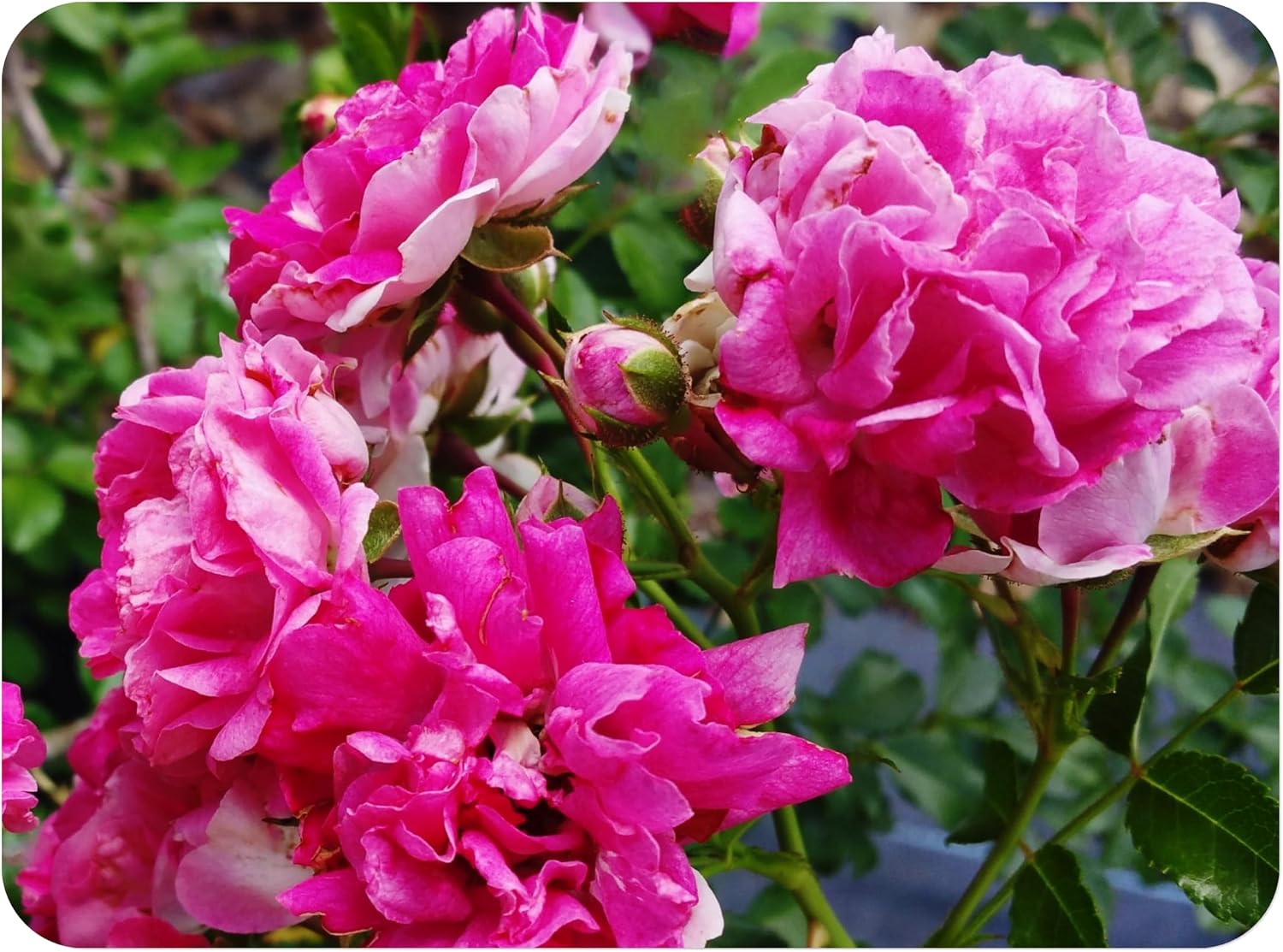
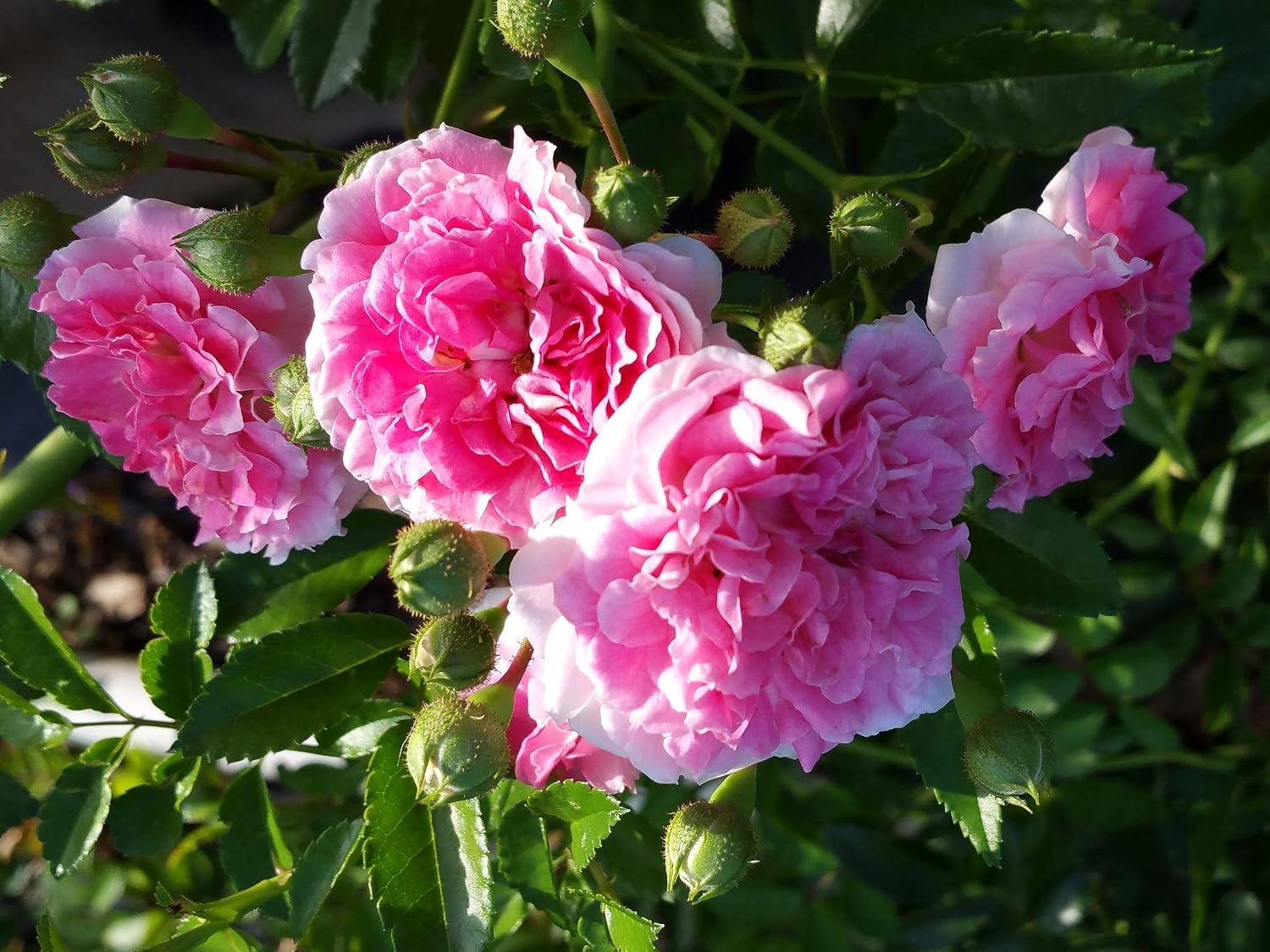
| Color | Pink, Green |
| Manufacturer | Emerald Goddess Gardens TM |
| Manufacturer Part Number | HRS-DPK-SS-4 |
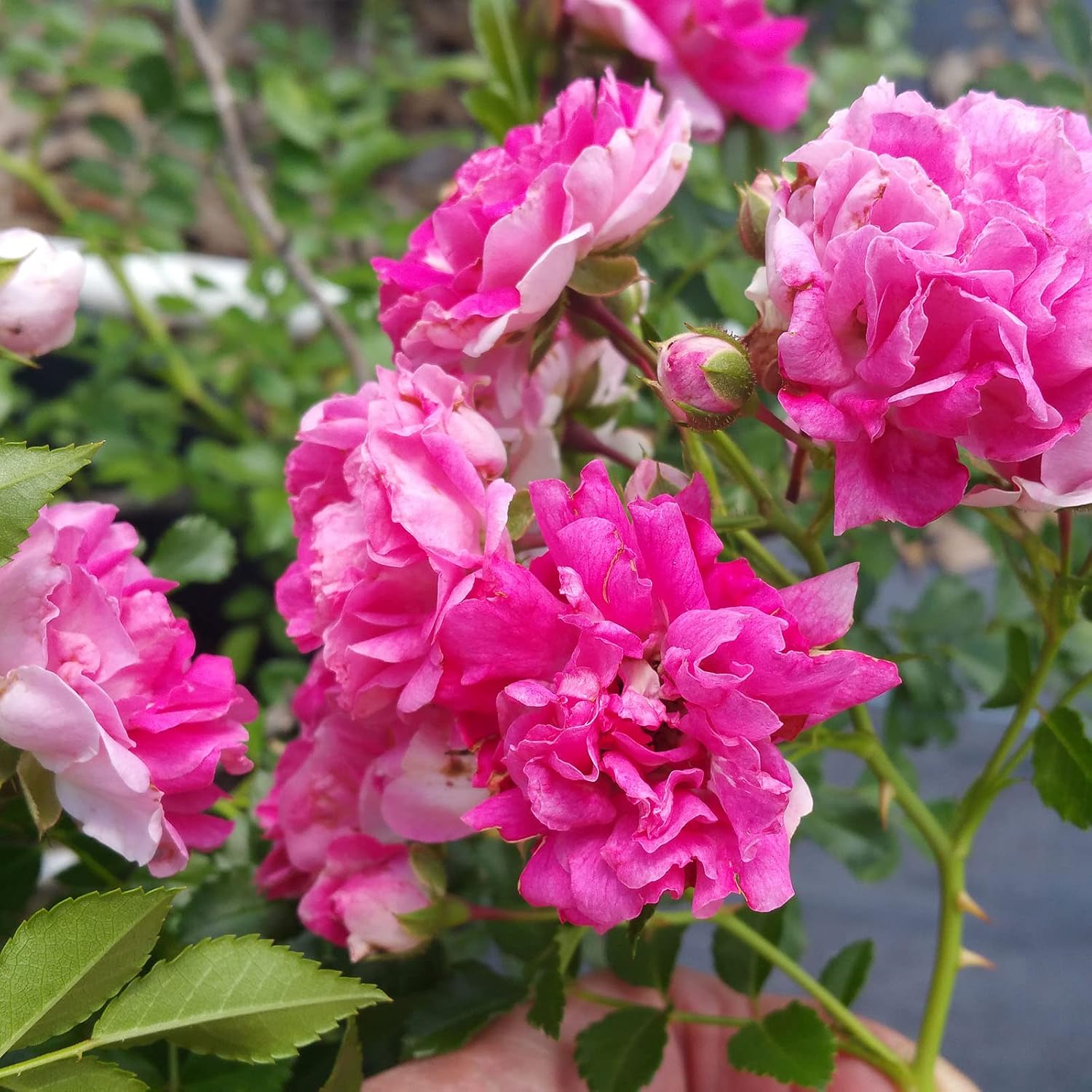
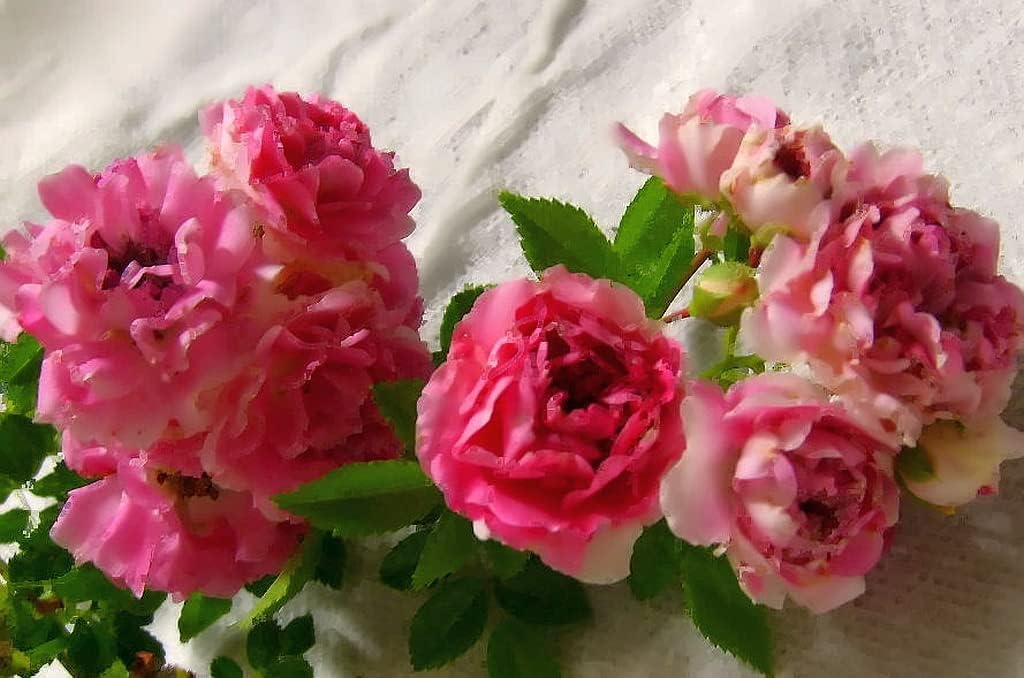
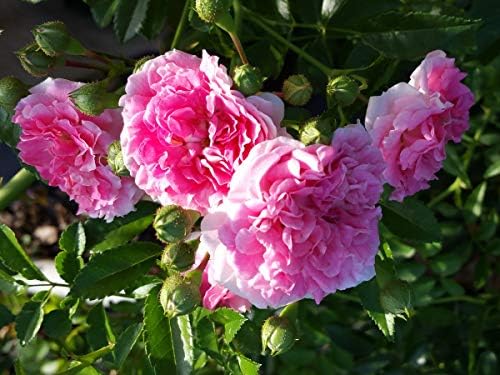
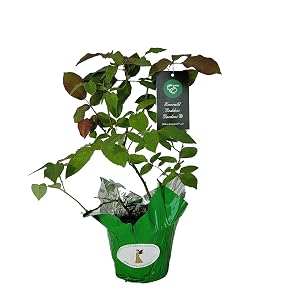
| Plant or Animal Product Type | Rosa hybrid 'Seven Sisters' |
| Item Weight | 2 pounds |
| Unit Count | 1 Count |
| Number of Pieces | 1 |
| Number of Items | 1 |
| Material Feature | California Certified, Grown In USA, Heirloom, Live Plant, Starter Size |
| Special Feature | Attracts Pollinators, Disease Resistant, Fragrant, Own Root Rose, Seasonal Bloom |
Here at Emerald Goddess Gardens, we strive to provide stellar products and growing tips that reflect our home-grown values. As a third generation female owned and operated small business, family is one of the most important parts of what we do. We are proud to have held on to many of the forgotten histories of the heirloom plants we grow today. Some might say the green thumb gene runs in our family, but we like to think our success comes from the decades worth of hands-on experience that we share with each other and with every order that leaves our nursery.
We can't do it all by ourselves though, so we continually aim to provide a flexible environment that works for our diverse female majority team. The hands that carefully select plants for our orders are an essential part of the family that our matriarch has grown to include women from varied economic, social, and cultural backgrounds.
Some of our most prized plants are those that are hard to find or no longer exist in nature. Maintaining stock on endangered and rare species allows us to increase accessibility for all while ultimately contributing to conservation efforts through commercial reproduction. Native species diversity and protection is very important to us. We take steps to ensure we never unknowingly transport invasive insects or plant pathogens and as such are qualified to ship plants to all 50 states year-round.
The Emerald Goddess Gardens family grows every day as we establish and maintain relationships with our customers nationwide.
Welcome to the family, let's get growing!
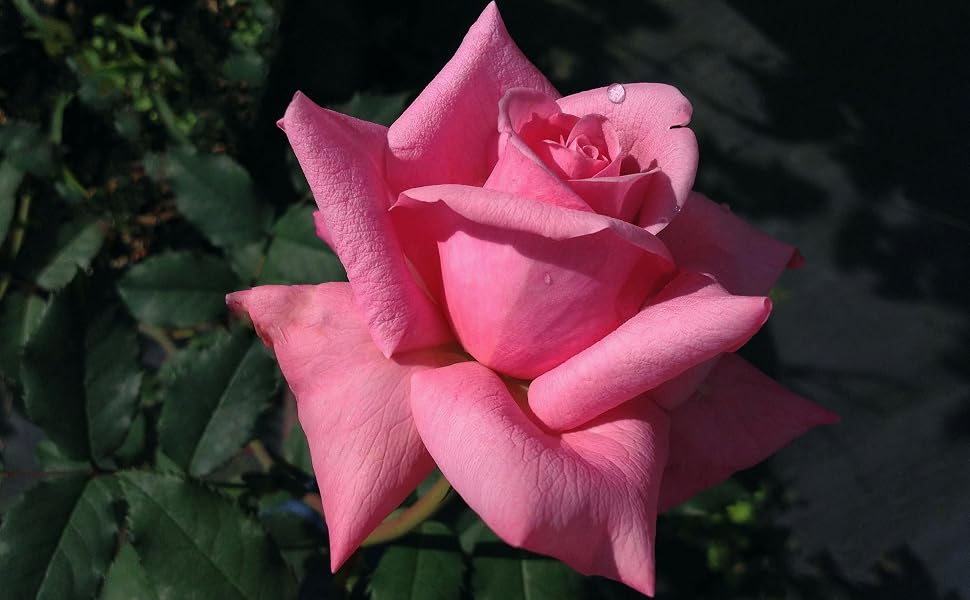
The world of roses is infinitely complex, with some botanists recognizing over 300 species of roses and thousands of hybrids. It is not difficult to imagine the diversity within a genus of plants this large, roses are found across the globe in nearly every color and form imaginable. Roses are easiest to grow in temperate climates where they do not struggle to overcome difficulties presented by high heat and humidity. Trial and error over several decades has allowed us to develop a collection of heirloom roses that thrive in the warm Southern climate our nursery is based in. The roses we have determined to be best suited for our climate are generally considered to be tough plants that are easy to care for.
Rose enthusiasts in cooler climates frequently have success with grafted roses. The practice of grafting often utilizes the stronger root system of an old variety to sustain a more delicate hybrid rose. Grafted roses are not as easy to care for in our warm climate, so you will find that our collection is comprised exclusively of strong 'Own-Root' Heirloom roses.
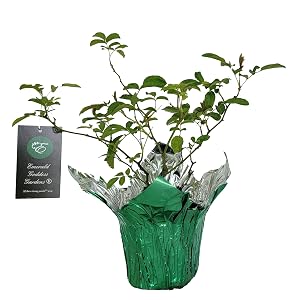
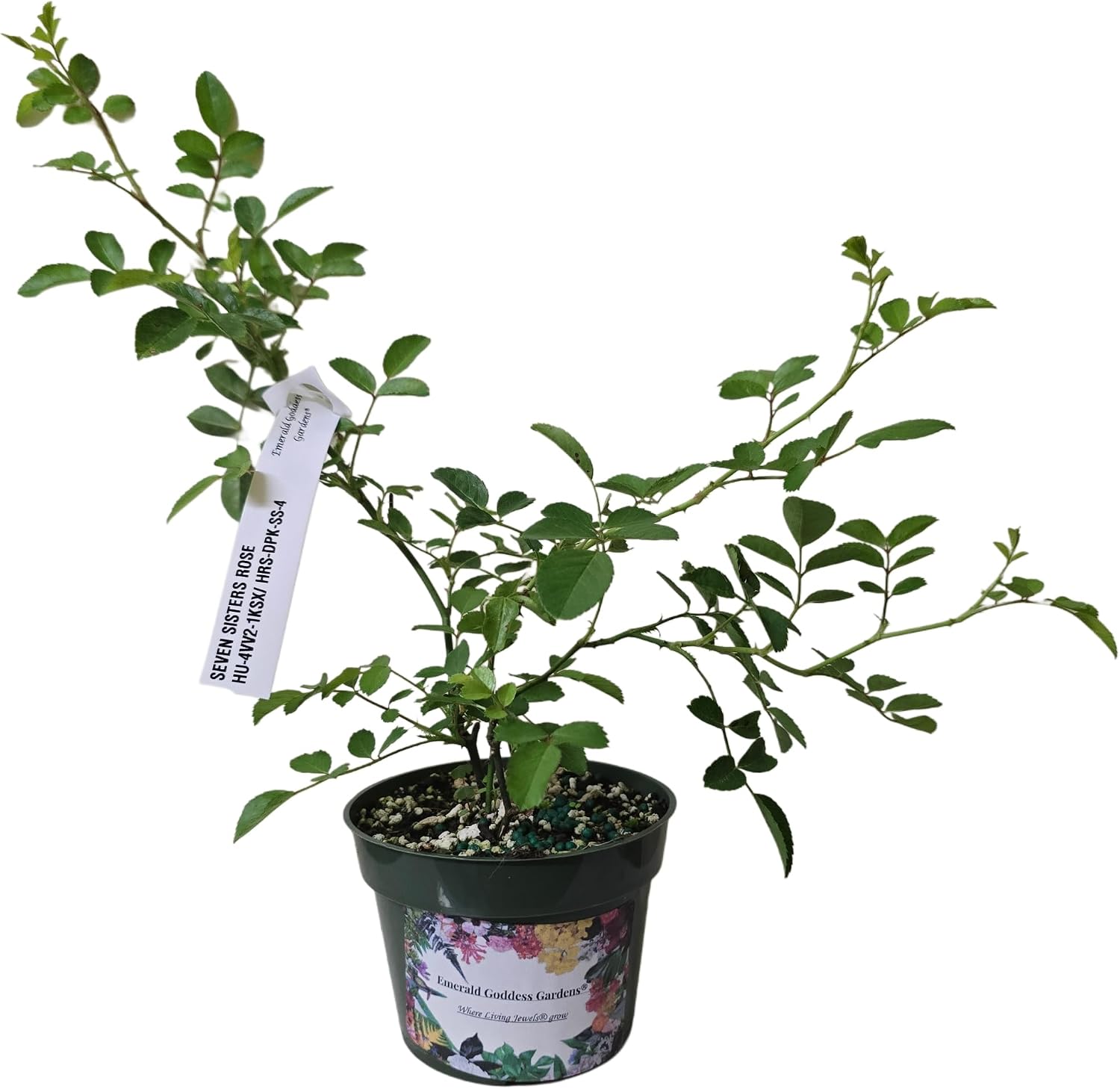
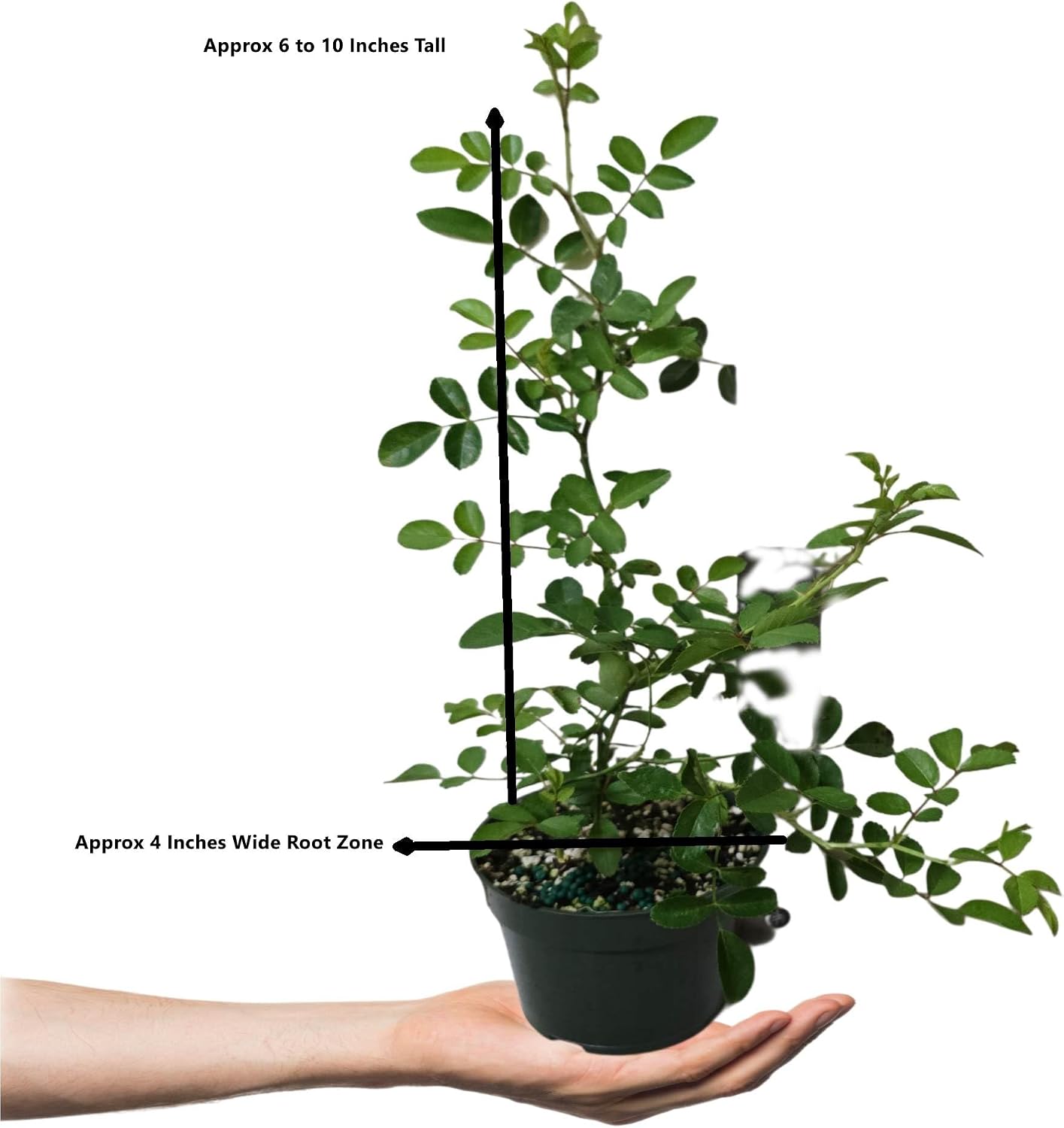
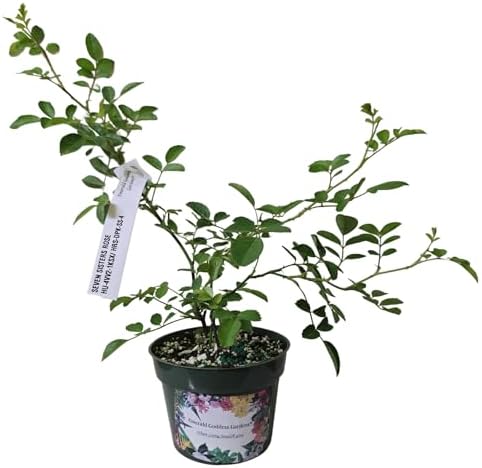
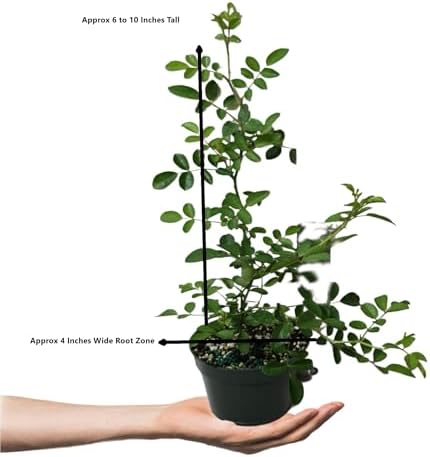
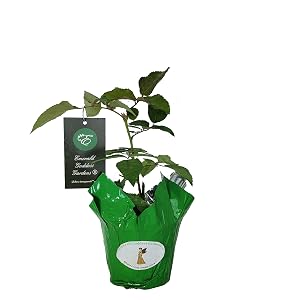
Our starter size plants are always shipped rooted and growing in 4 inch diameter pots. These small plants are perfect for repotting into a larger pot and watching as they grow to maturity. We do not recommend planting 4 inch starters directly into the ground until they have grown larger and more mature.
We have decades of experience sending live plants across the country and do several things to keep your plants happy as they make their way to your front doorstep. Our plants are preventatively treated for insects before they begin their journey. Then, they are thoroughly watered and provided an adequate water supply for their trip. Finally, they are wrapped in paper to protect from transpiration stress and carefully placed in their box before being picked up for transport.
Ballerina Musk Rose
Belinda's Dream Rose
Safrano Rose
While we have perfected the art of sending plants across the country over decades, there is always a chance that something can go wrong during the transportation process. We are ready to jump into action in the rare event that there is an issue with your order. So that we can understand your situation comprehensively and find a resolution promptly, we ask that you provide photos of the damaged plant, the box it arrived in with the label visible, and a brief description of the issue within 24 hours of receipt.
Some minor damage during shipping is sometimes an unavoidable part of the process, and is not considered to be a defect. Carriers can sometimes handle packages roughly and a shipment can be damaged during the trip. Some minor issues are normal, temporary. cosmetic and not considered to a defect in the product, so please note:
We promise that our plants will arrive as described and in good, viable condition. Because plants are perishable, living things, and there are many factors that determine whether live plants ultimately grow and thrive in their new environments that are out of our control, we are not able to promise the survival or growth of plants after they are delivered and planted.
loading