




















Free worldwide shipping
Free returns
Carbon neutral
Secure payments
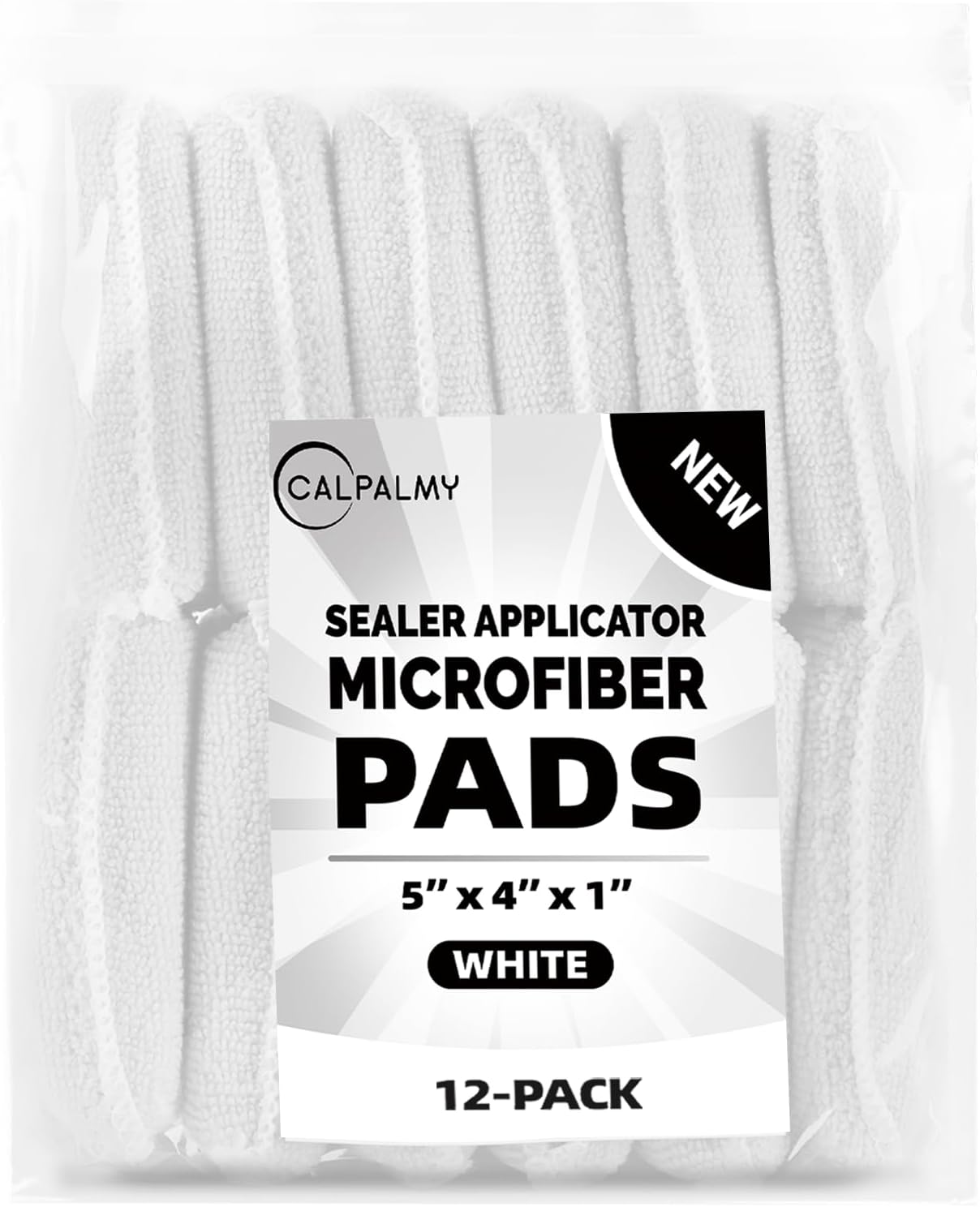
| UPC | 640117914977 |
|---|---|
| Color | Blue |
| Style | Tool |
| Material | Foam, Microfiber |
| Item Form | Foam |
| Style Name | Tool |
| Unit Count | 1 Count |
| Item Weight | 3.52 ounces |
| Manufacturer | CalPalmy |
| Material Type | Foam, Microfiber |
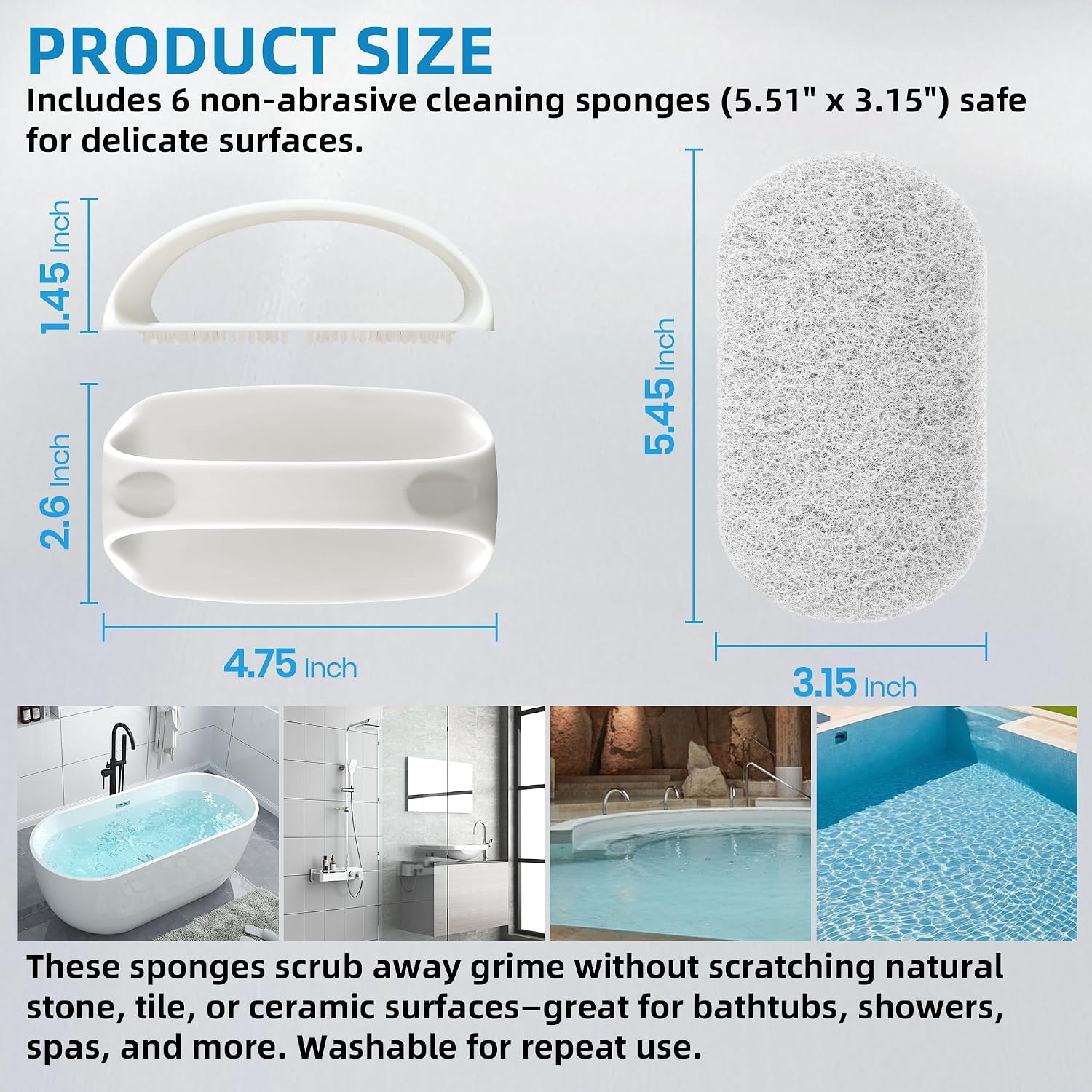
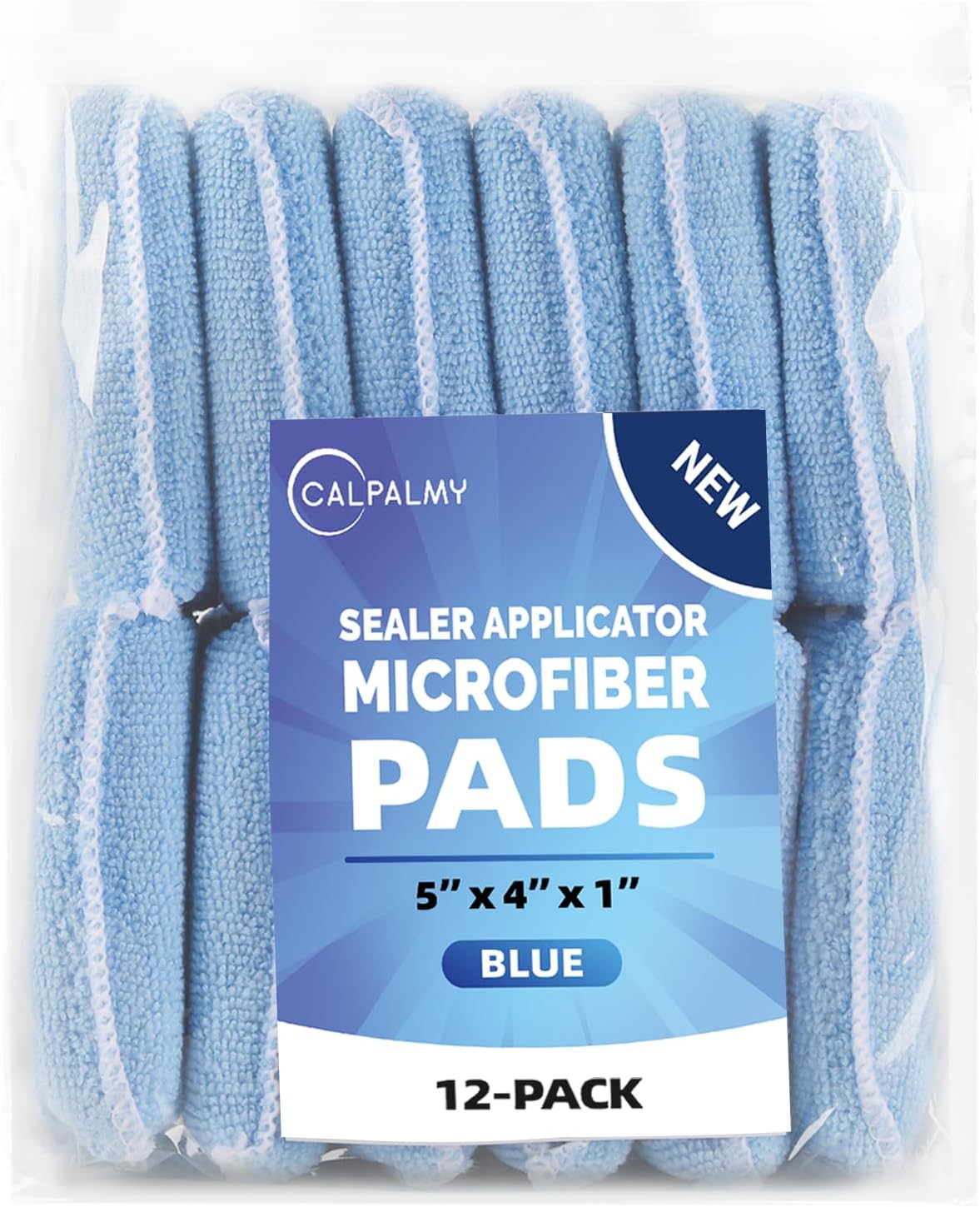
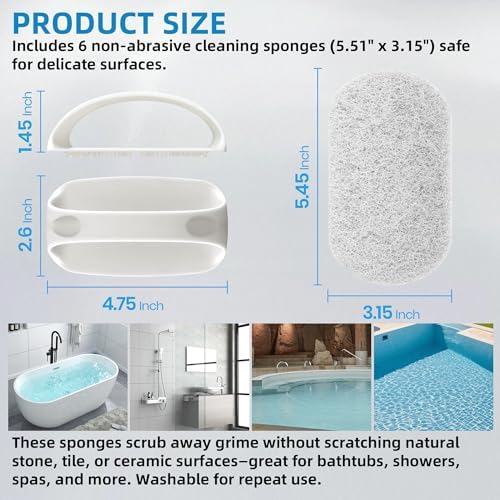
| Number of Items | 6 |
| Compatible Material | Ceramic, Concrete, Glass, Marble, Porcelain, Stone, Terracotta |
| Surface Recommendation | Tile |
| Water Resistance Level | Water Resistant |
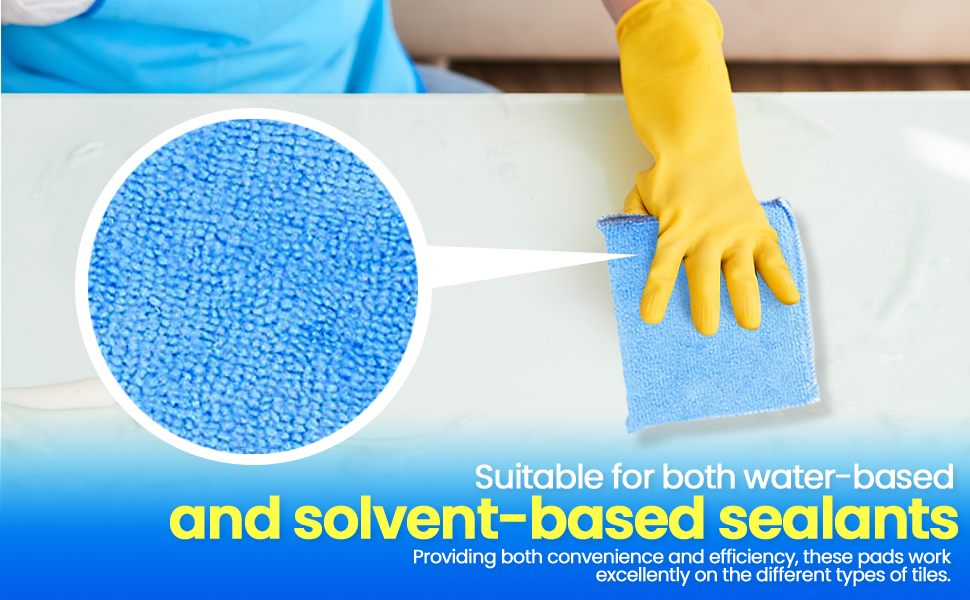
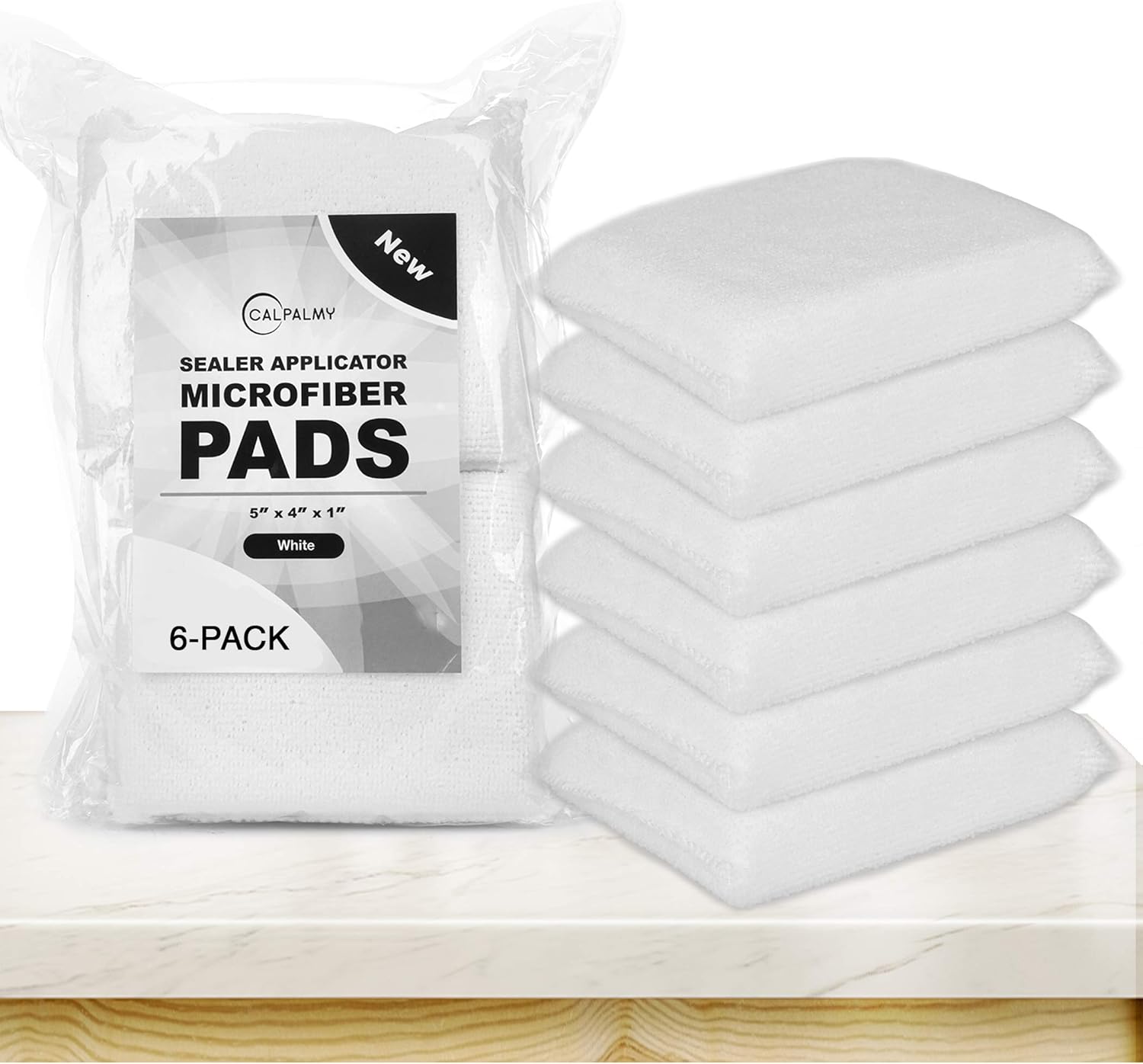
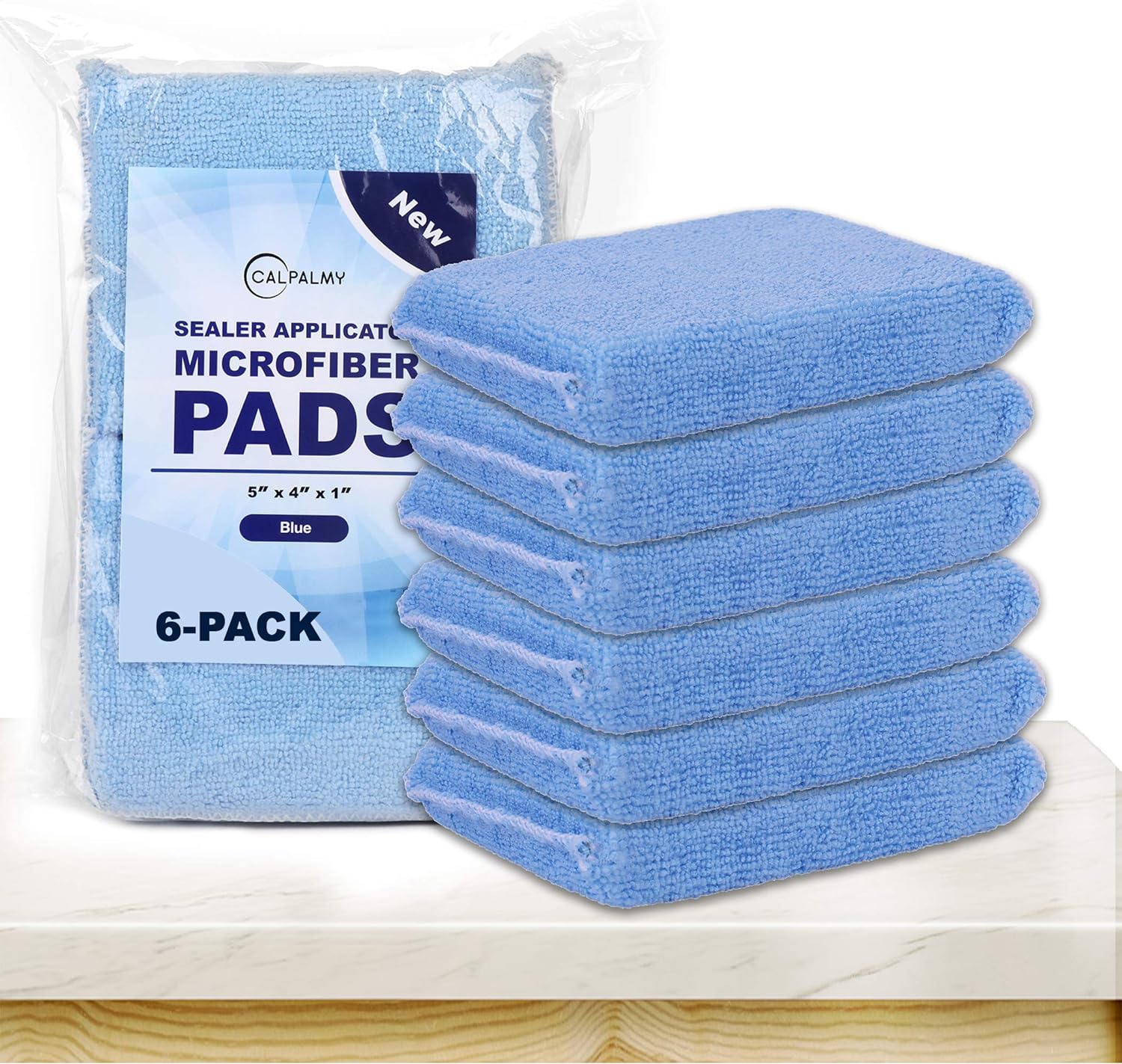
Sealers provide numerous benefits for tiles and natural stones. Depending on the effectiveness of the sealer used and the efficiency of the application, sealers, especially penetrating sealers can provide long-lasting protection to both tile and natural stone surfaces. An excellent sealer can resist not only water but also oils and grease, algae, mold and mildew, soap scum, lime deposits, salt erosion, frost weathering, and salt damage.
But the benefits of penetrating sealers won't mean anything if they aren't properly applied on the surface. Don't even start about the hard to remove sealer residue! You'll need the right tools for the job
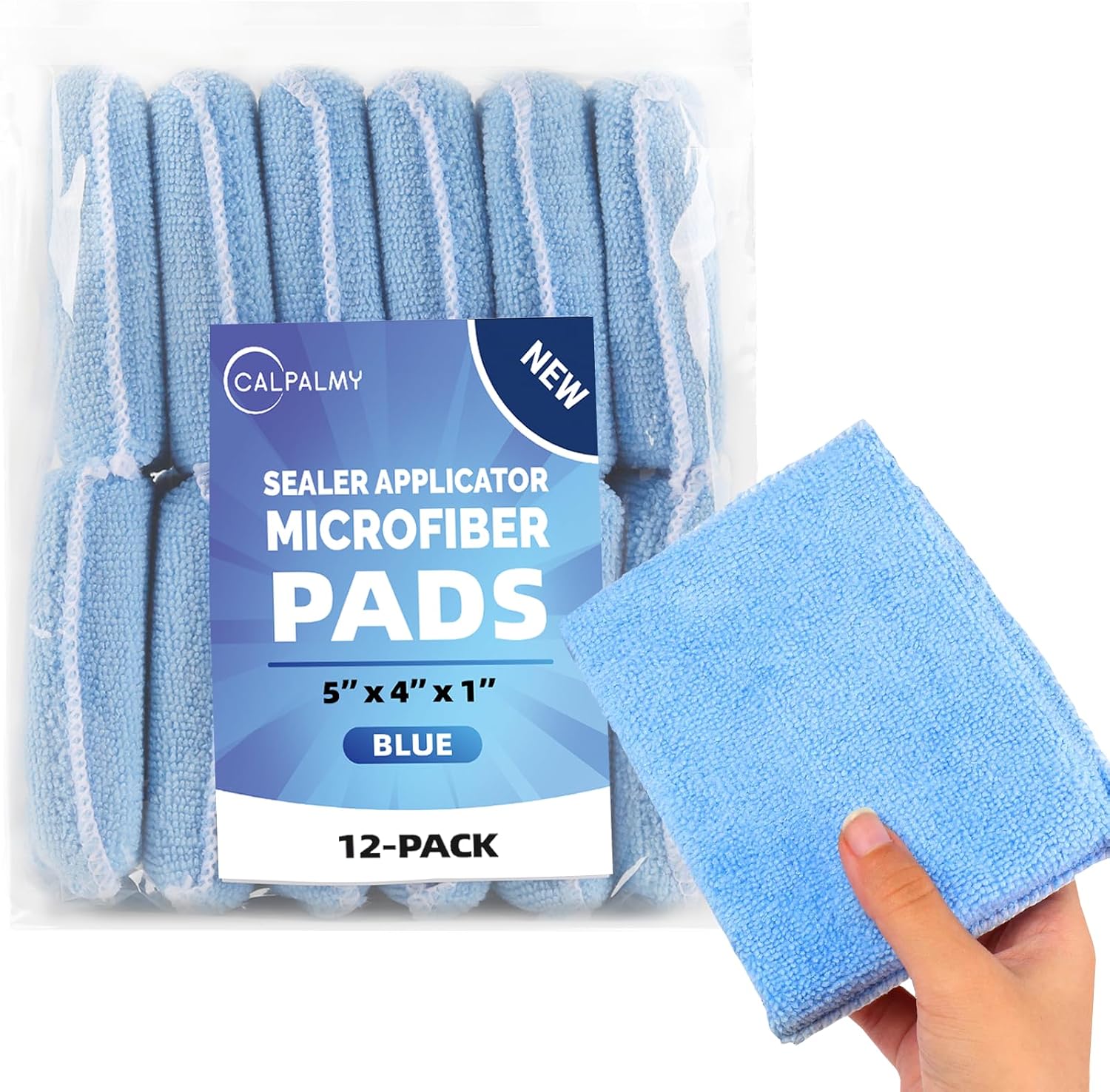
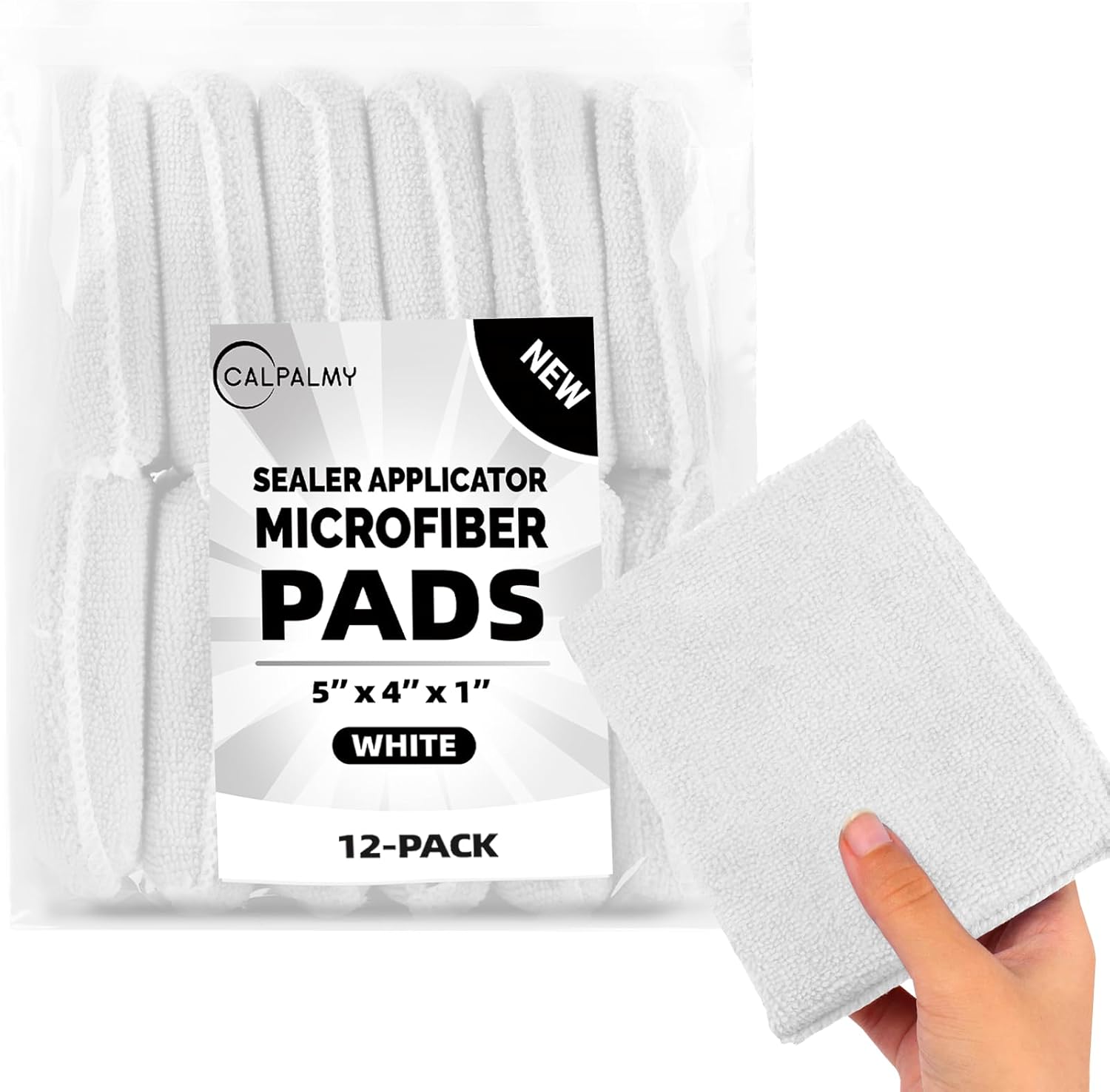
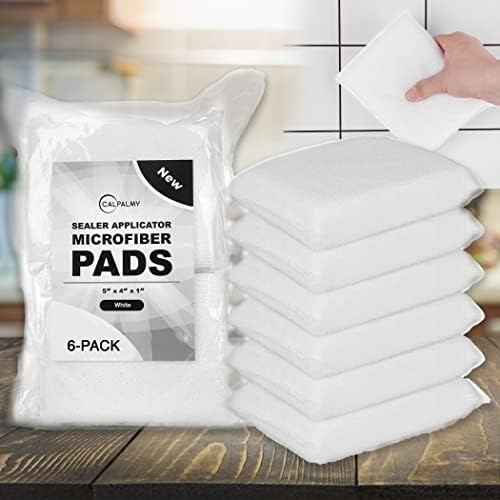
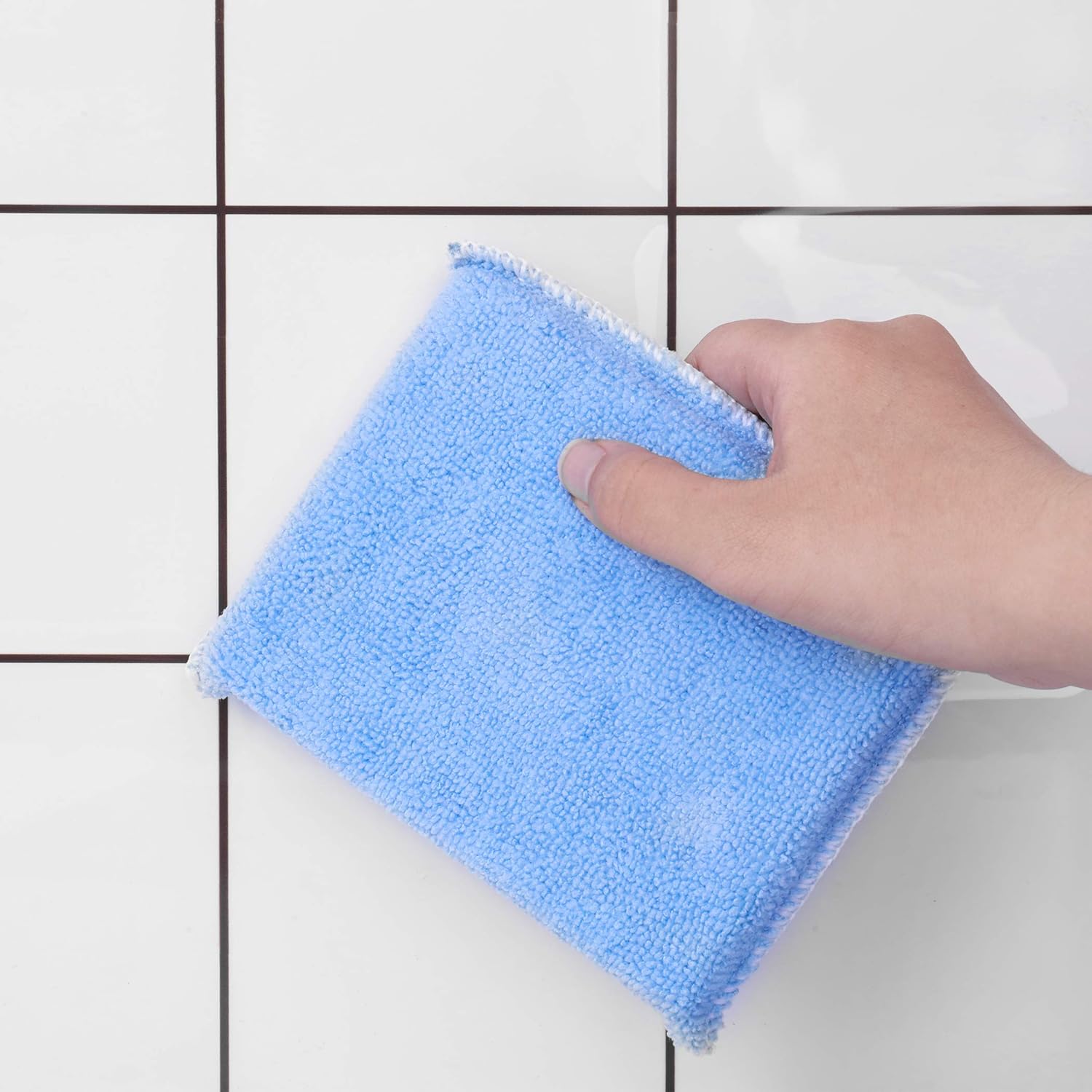
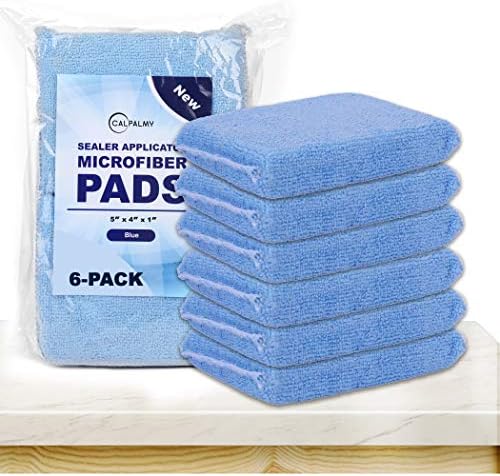
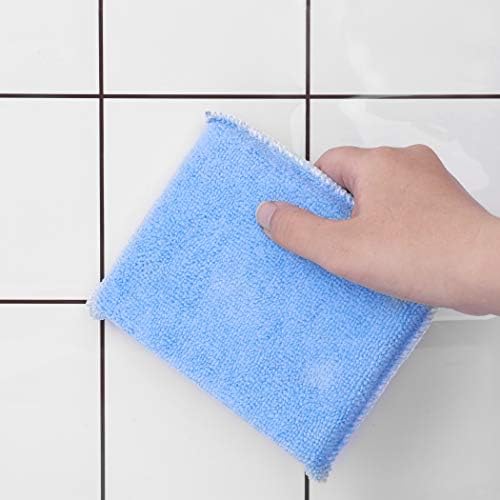
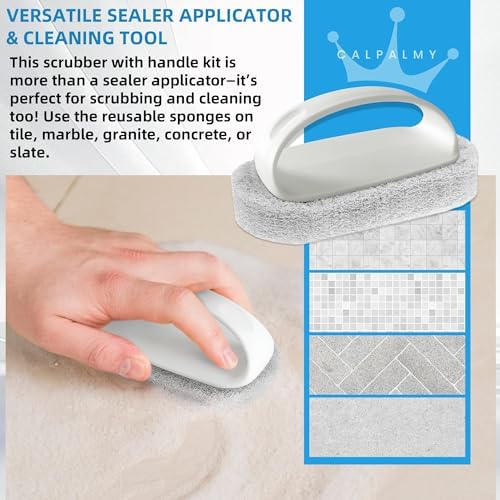
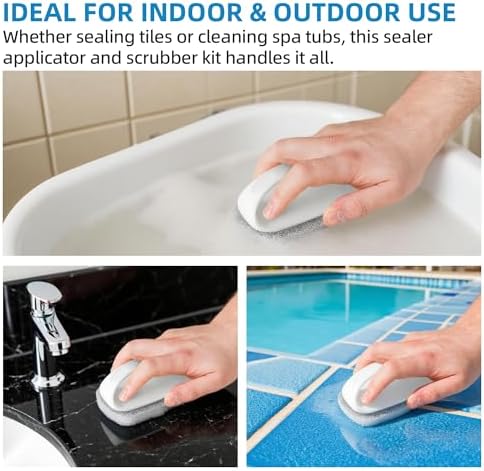
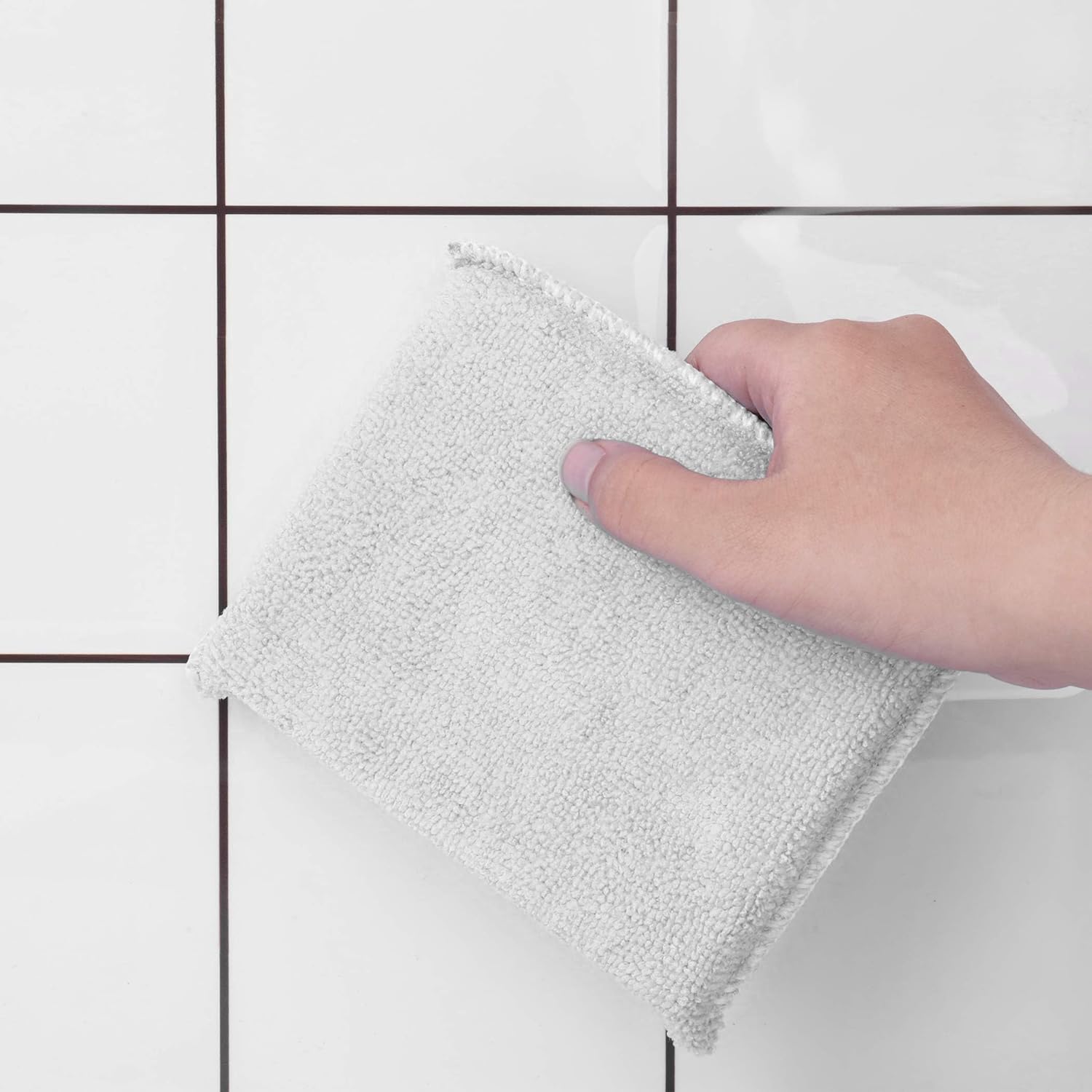
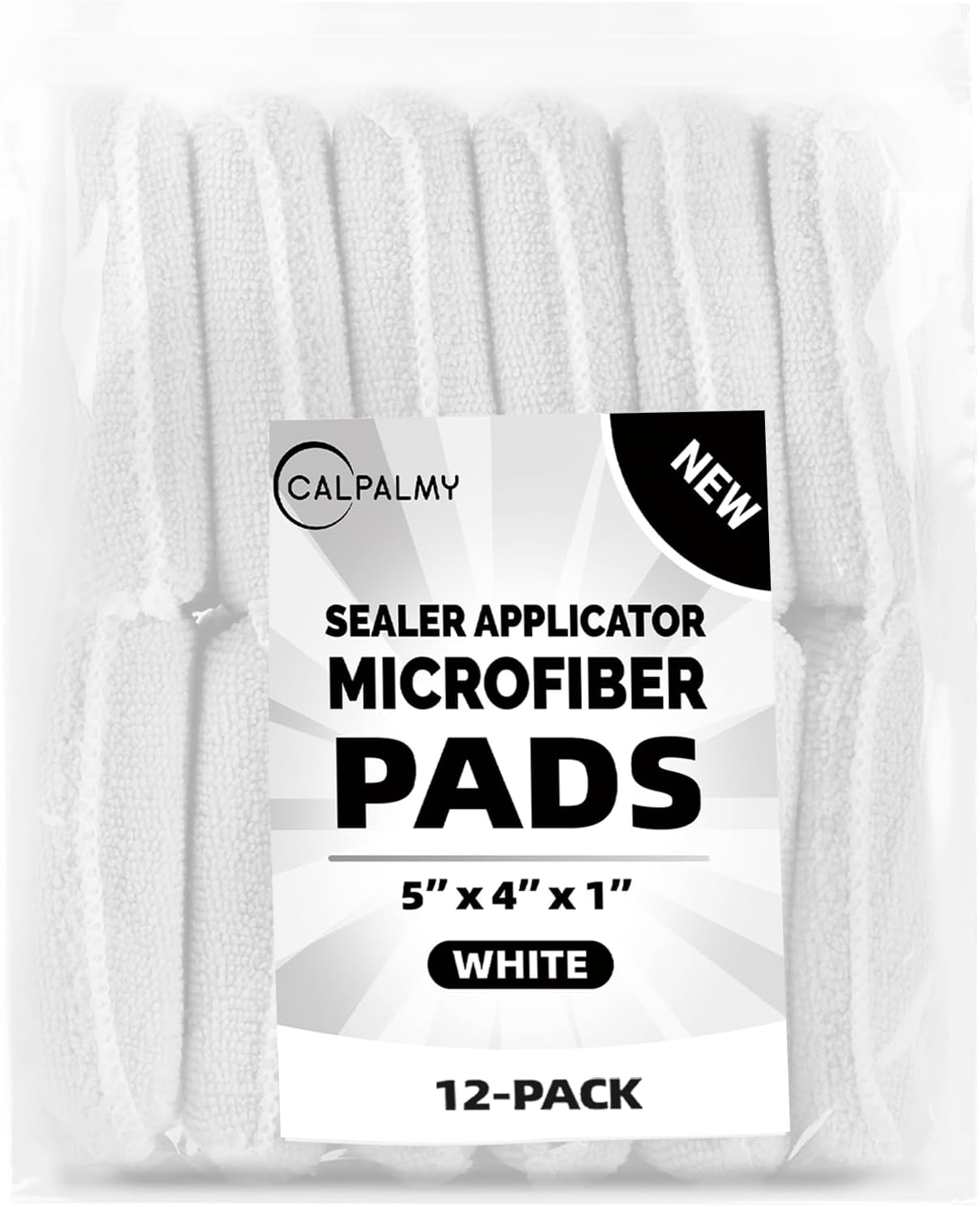
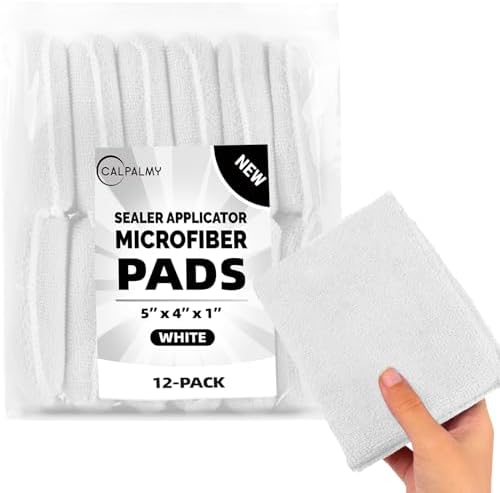
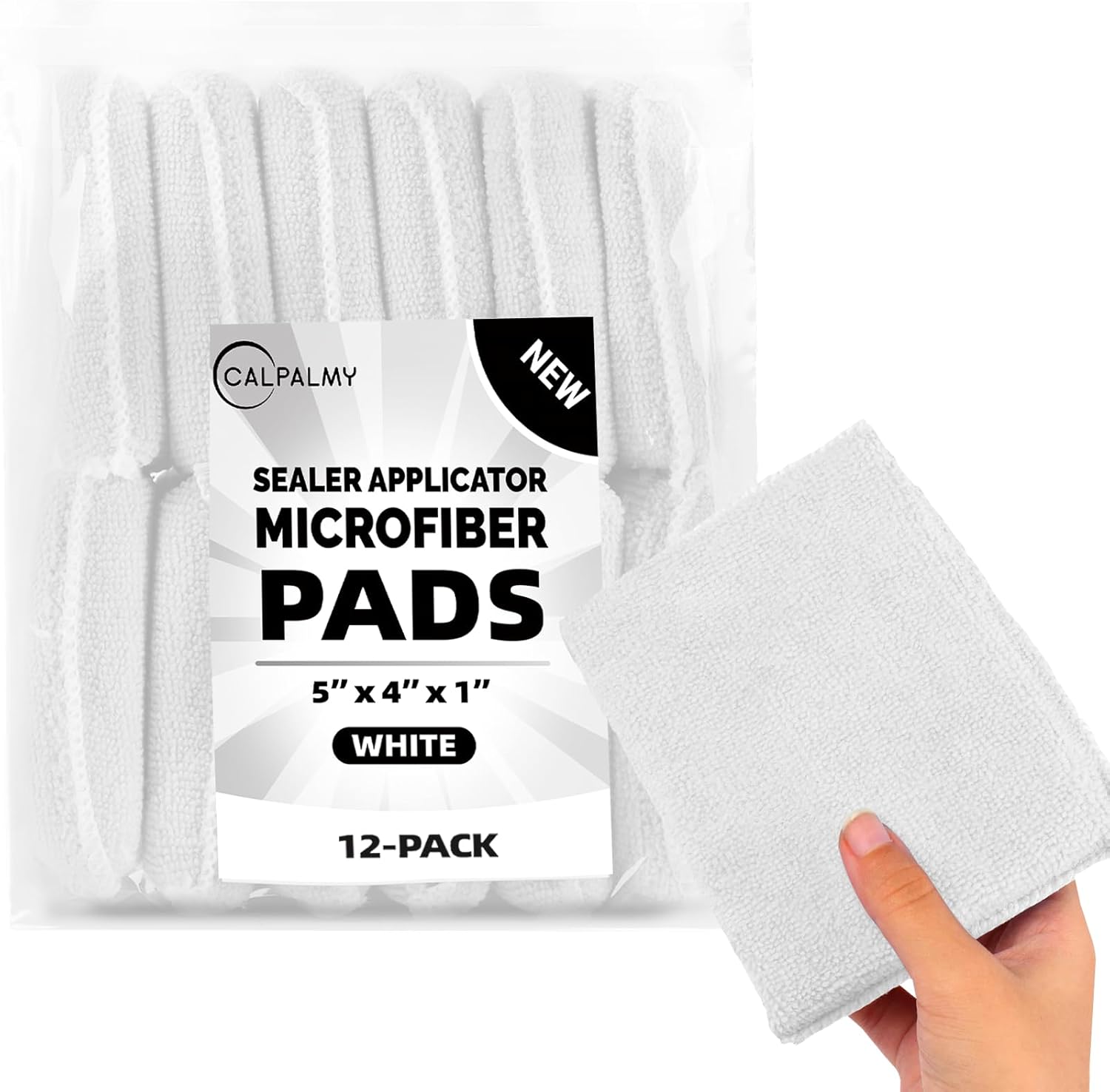
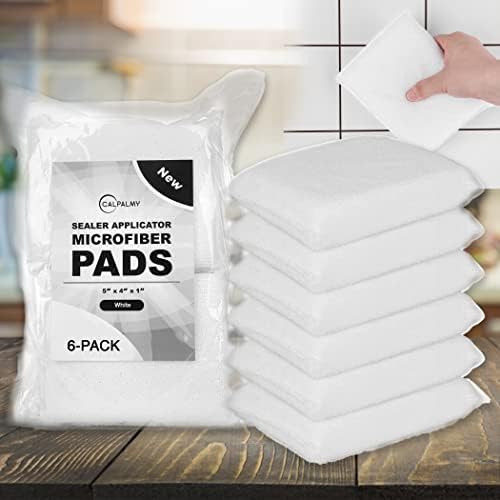
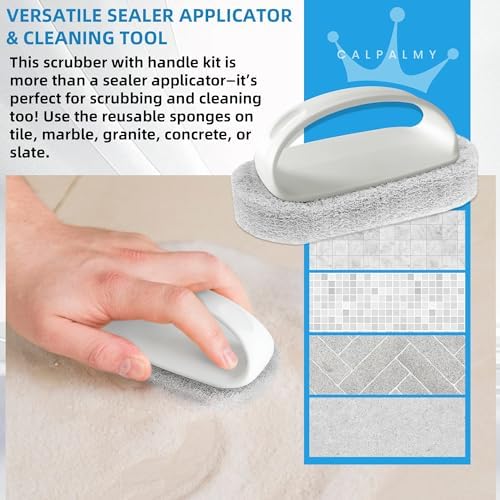
Whether you are using topical sealers, penetrating sealants/permanent coatings, or impregnating sealants, you'll need a dependable applicator that is suitable for both water-based and solvent-based sealants.
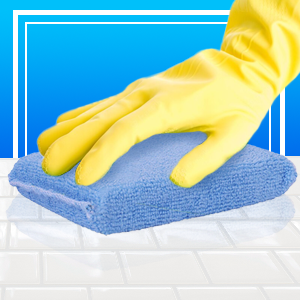
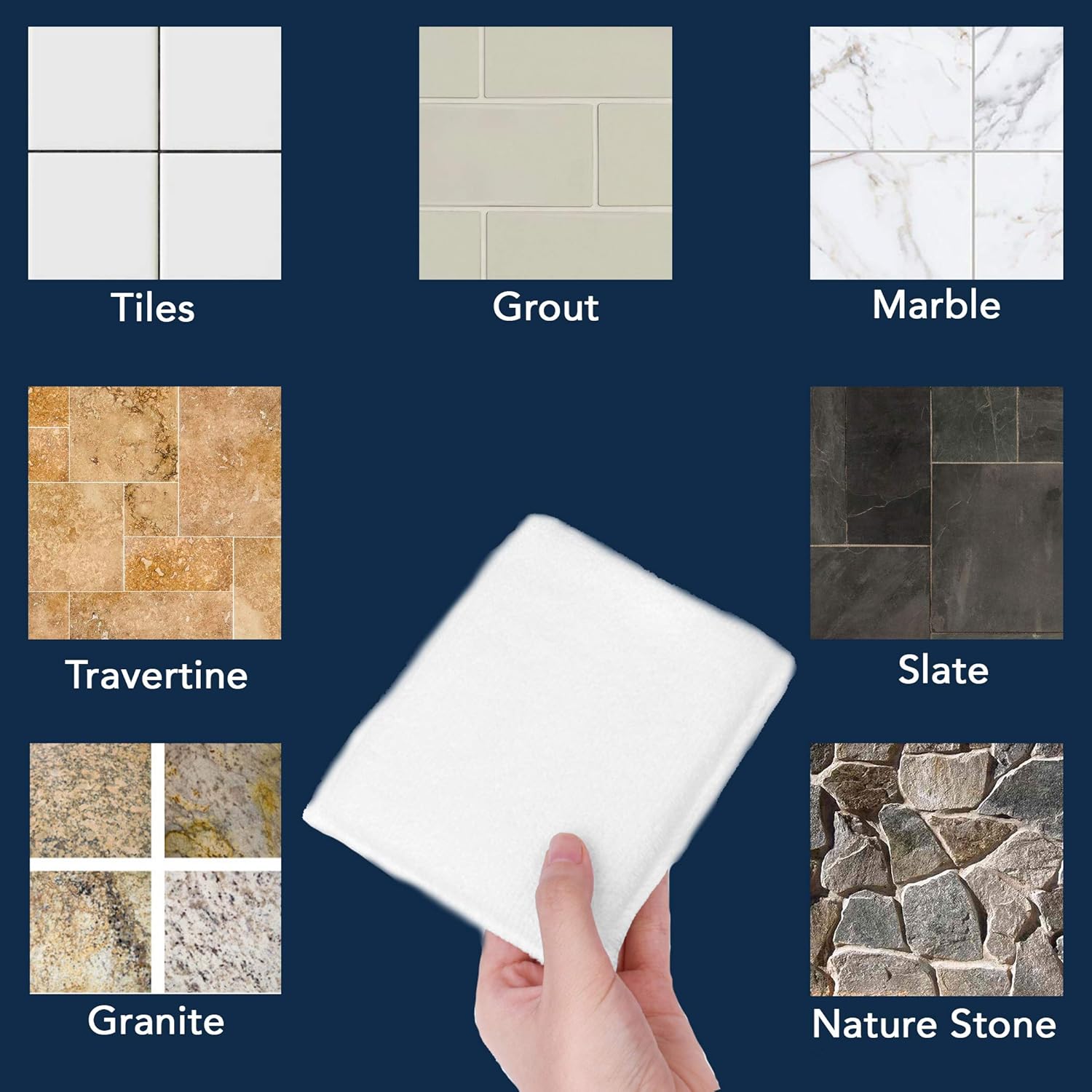
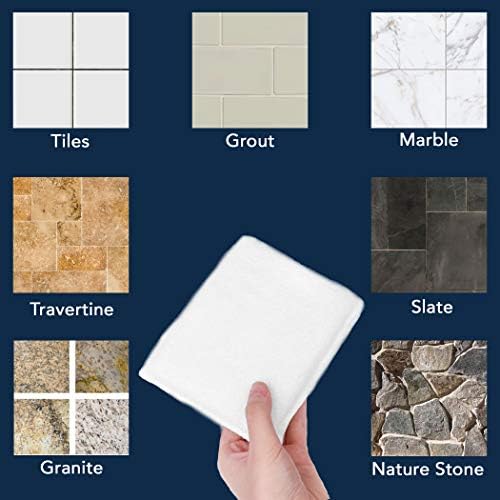
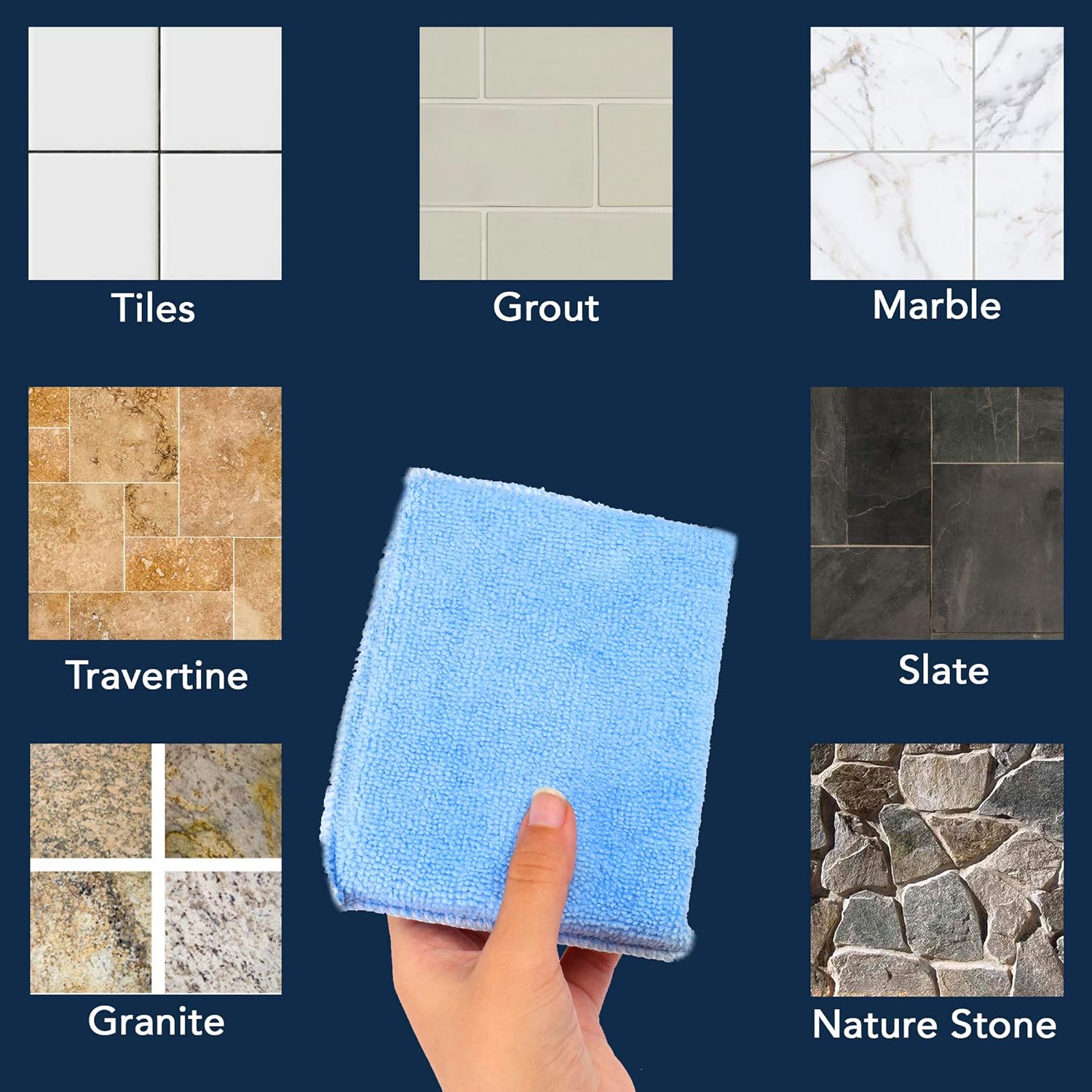
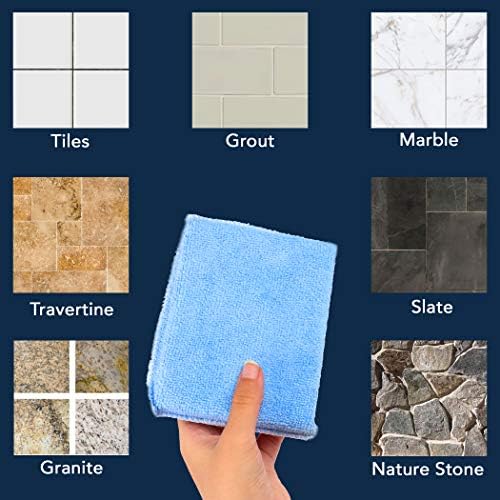
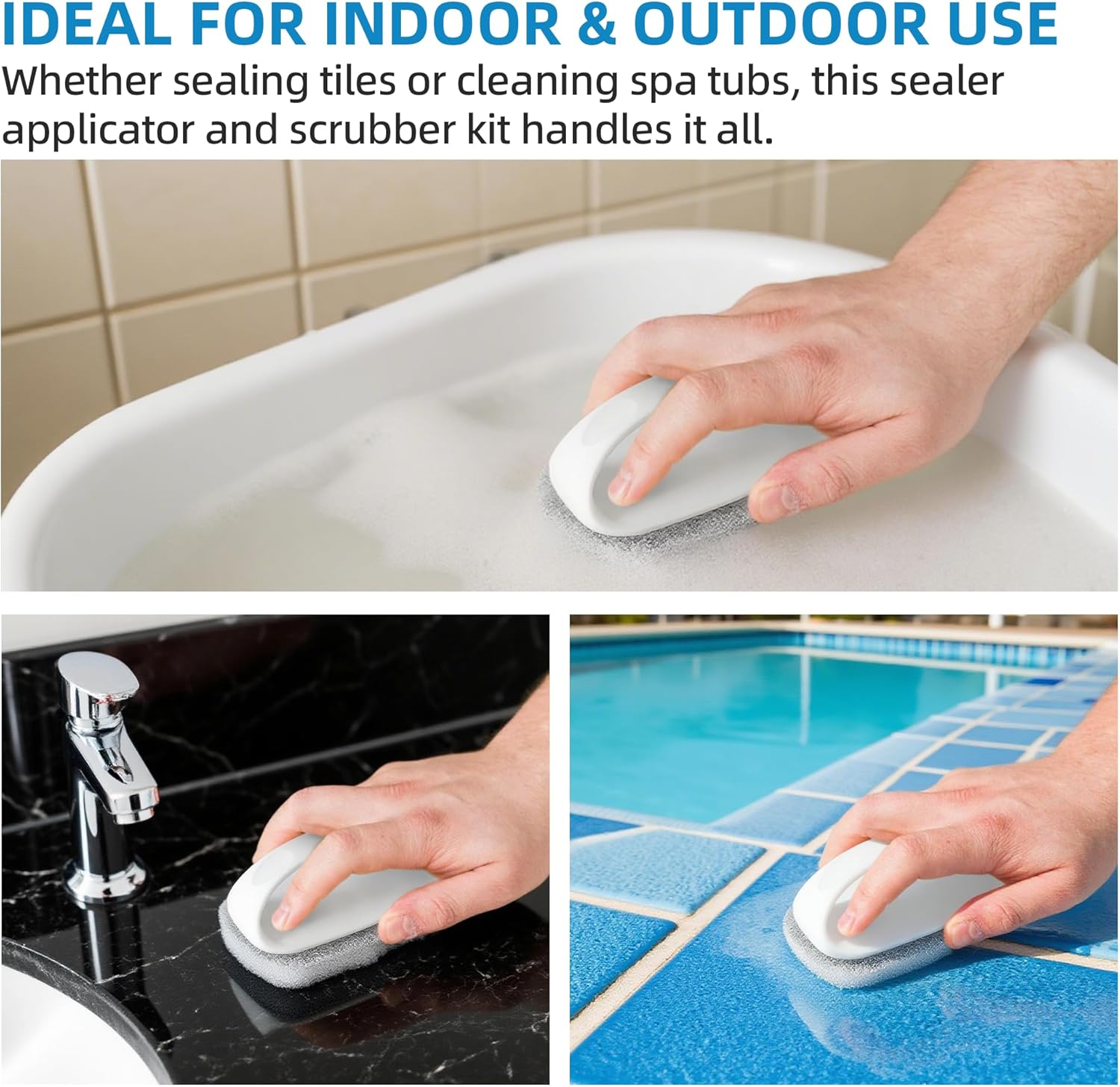
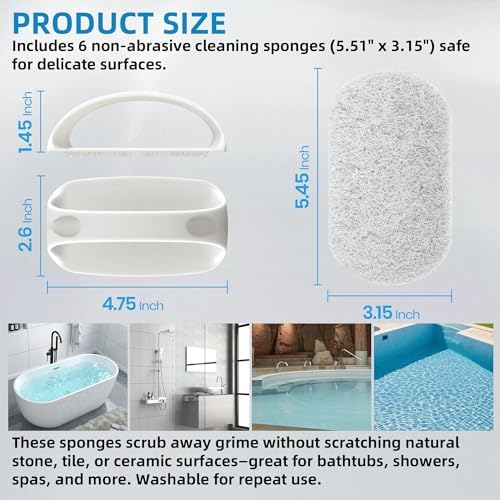
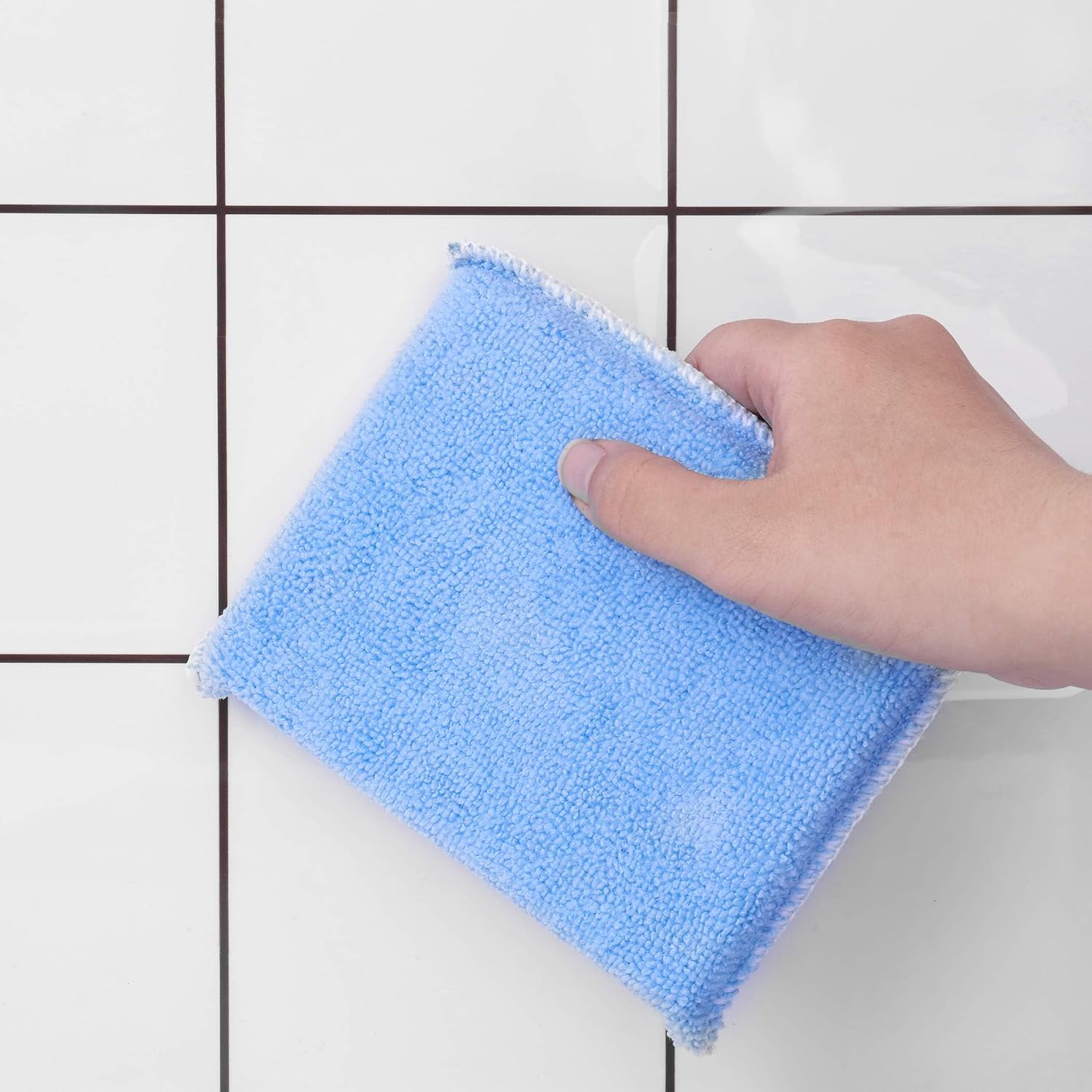
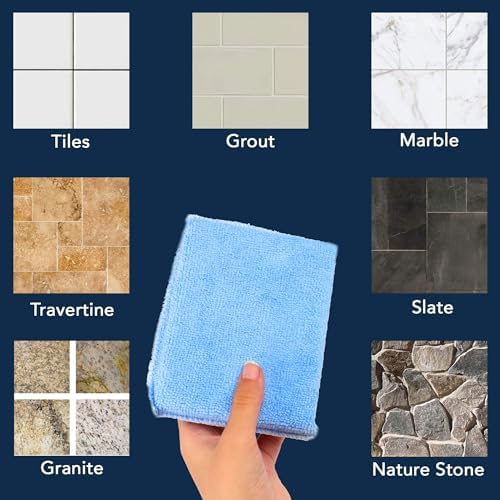
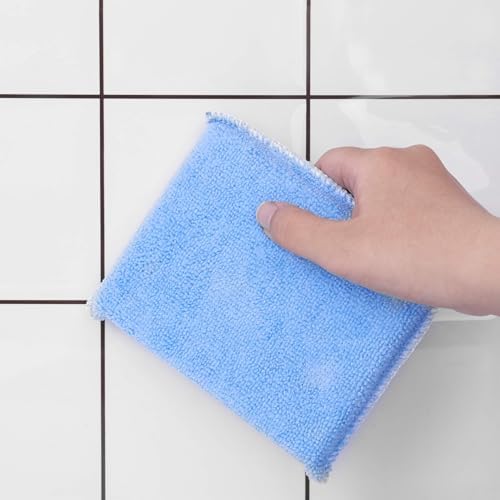
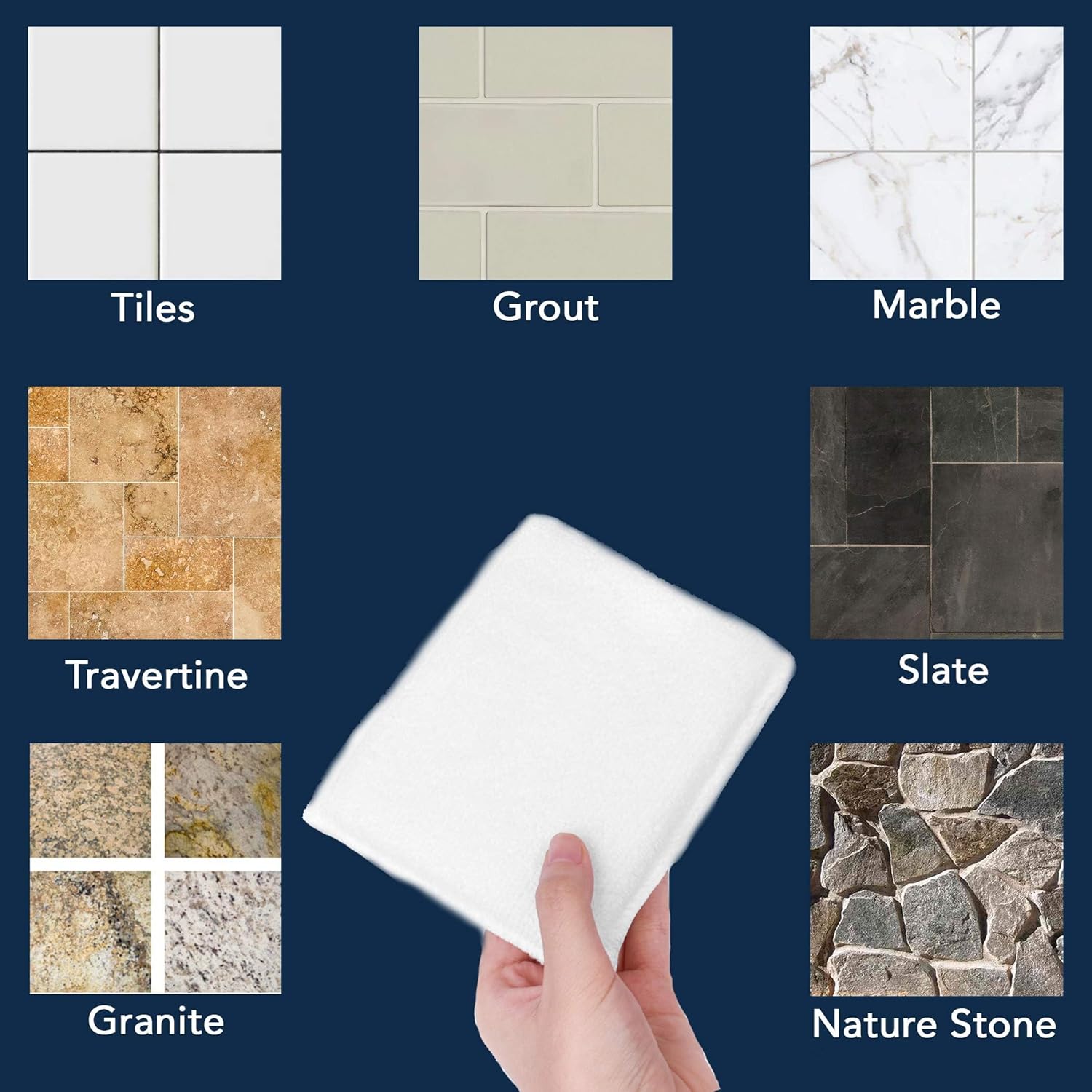
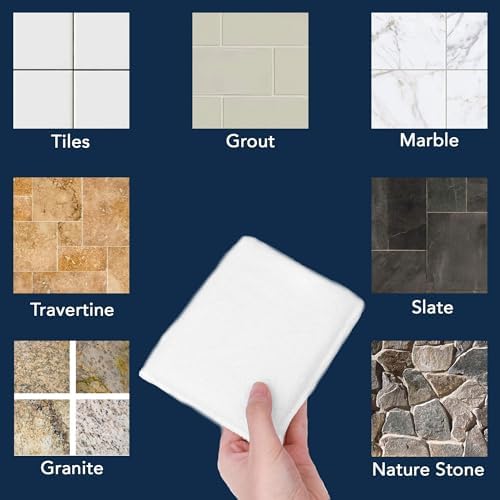
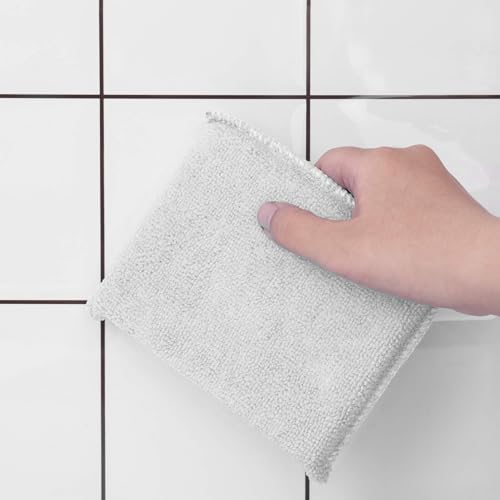
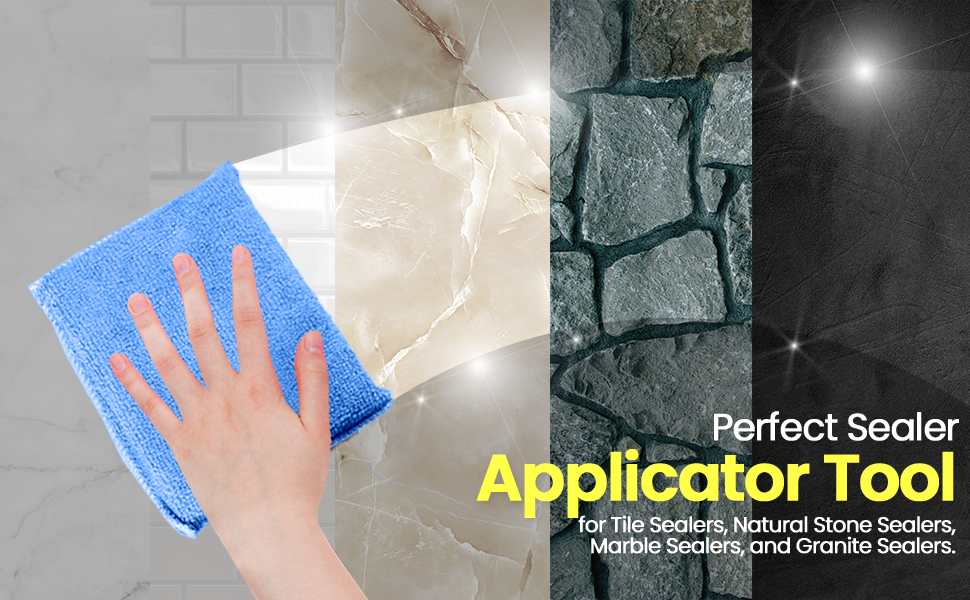
Providing both convenience and efficiency, these pads work excellently on the following types of tiles:
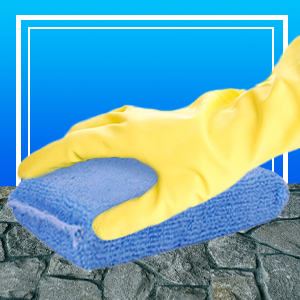
Several types of stone require sealing every six months and it's easy to mess up the sealer application. It's a good thing that this microfiber sealer applicator works well with different natural stone surfaces including:
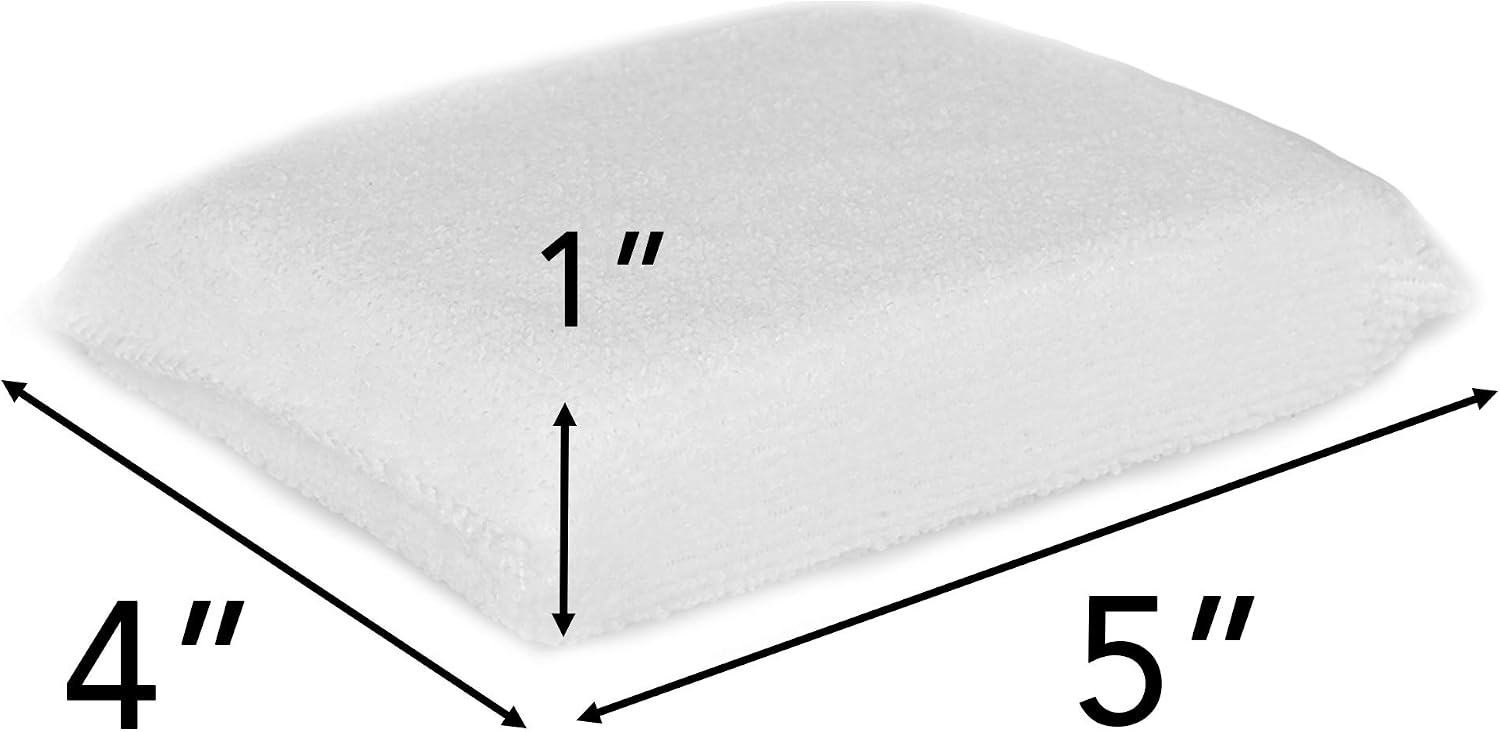
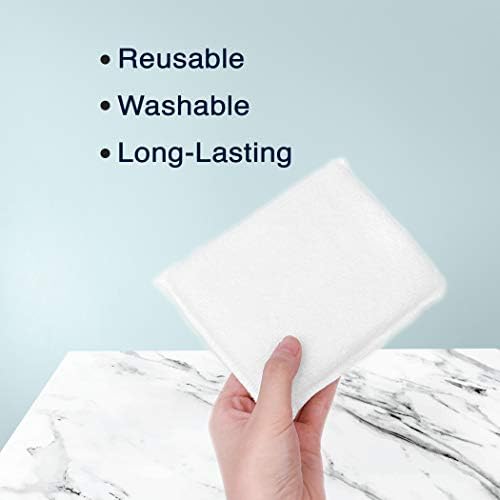
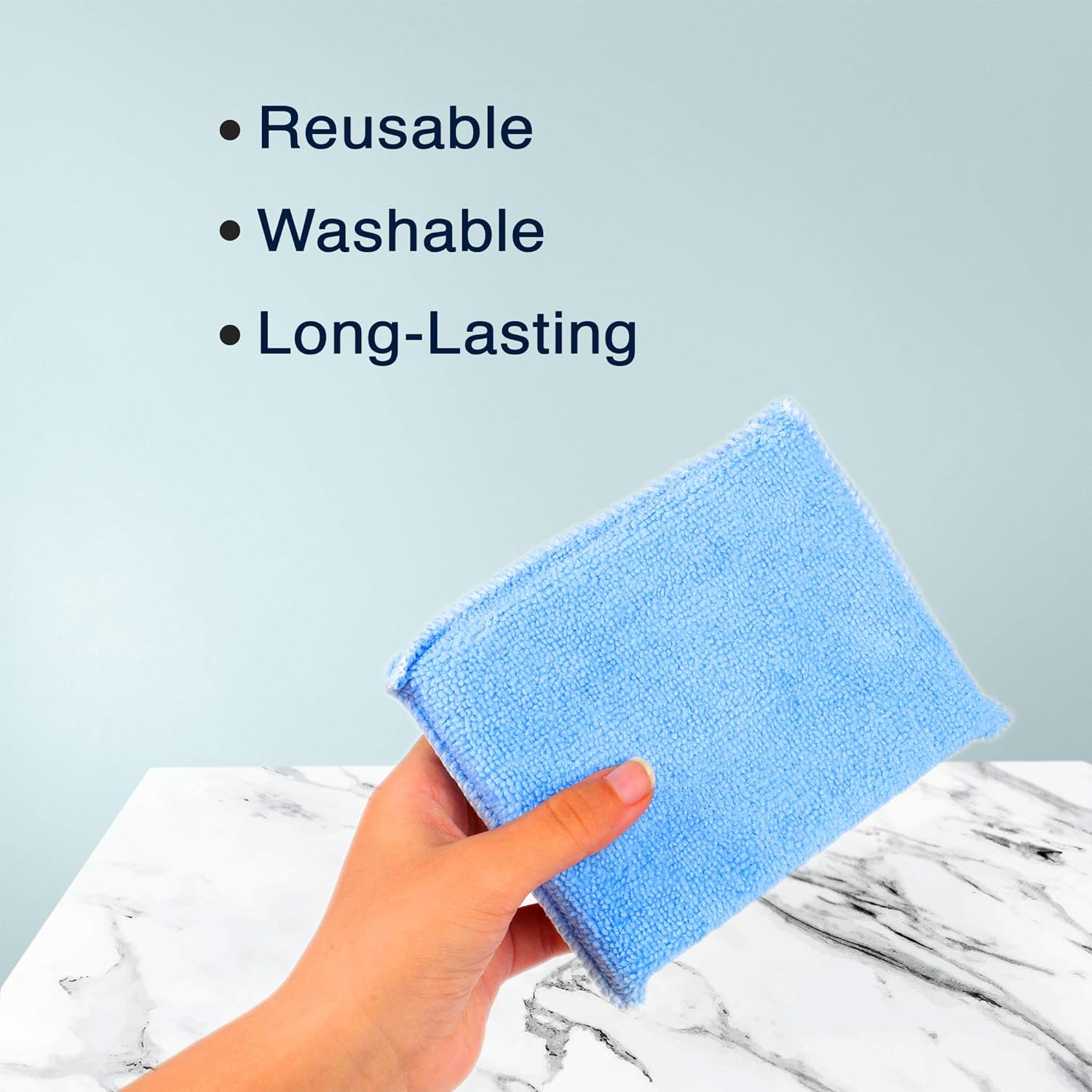
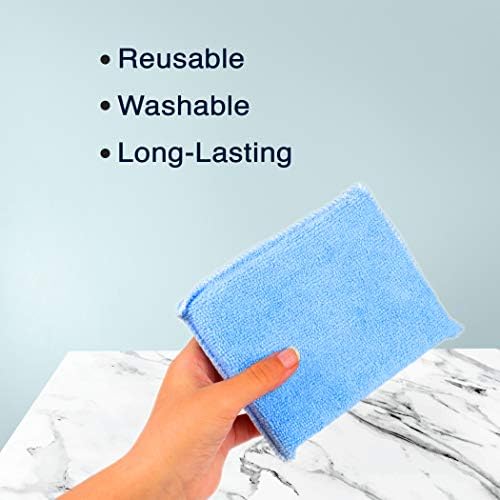
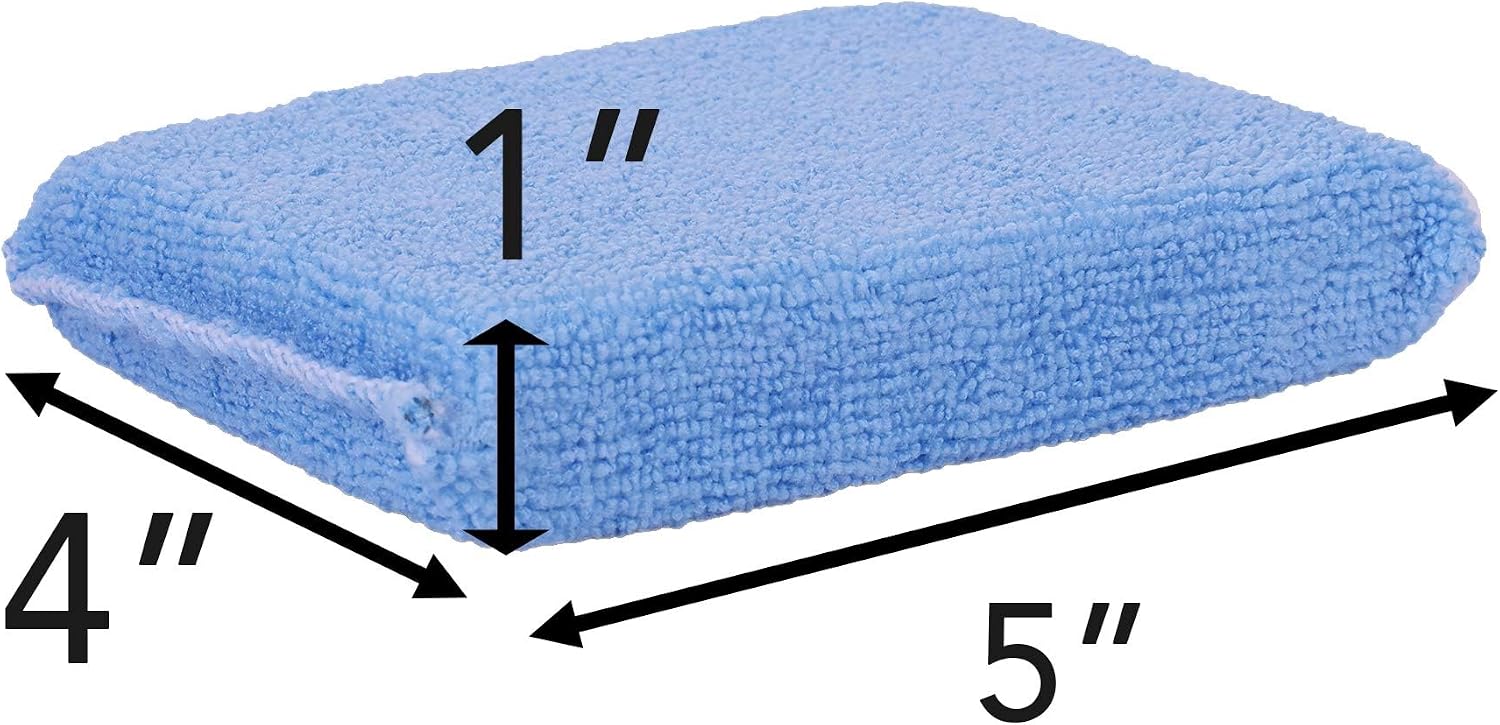
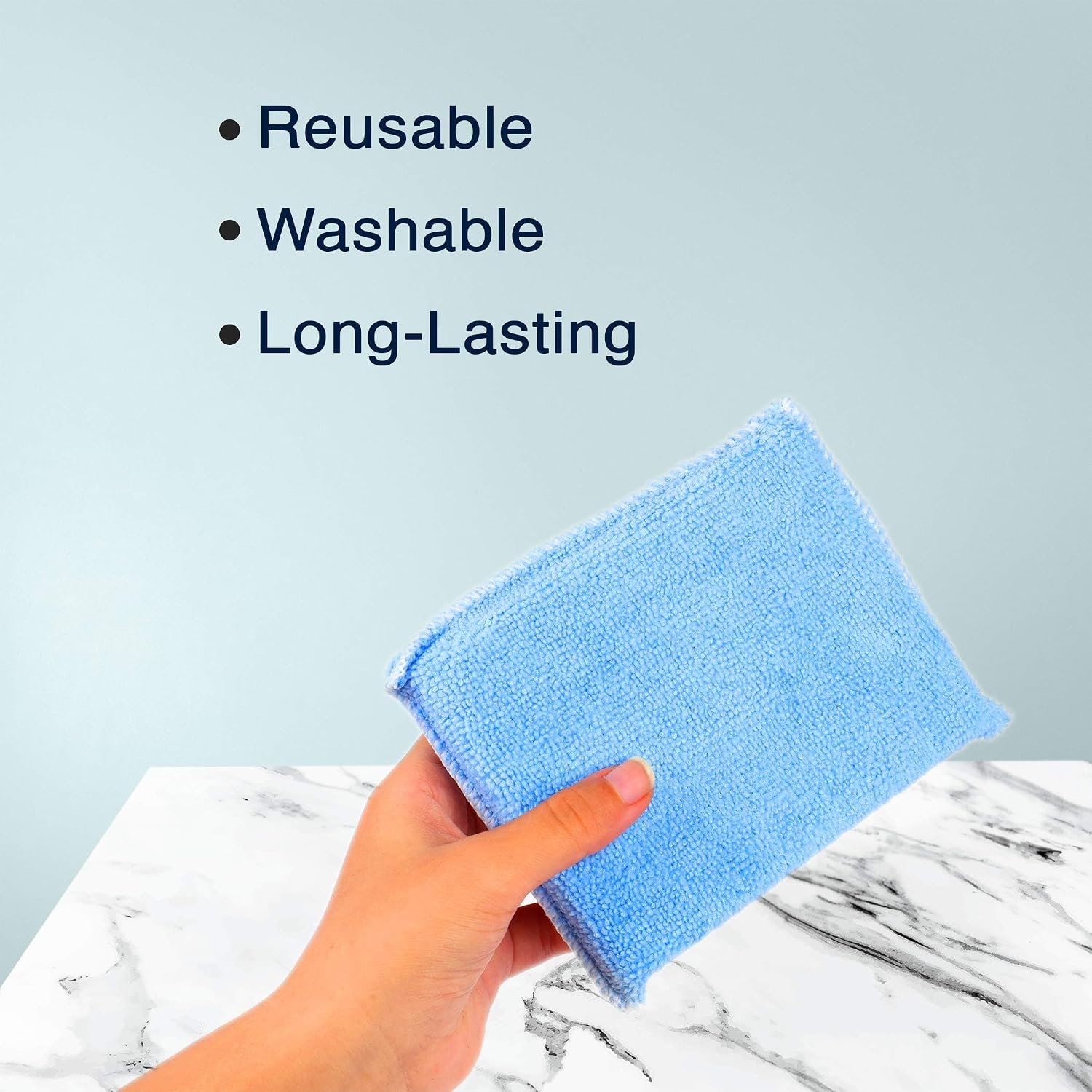
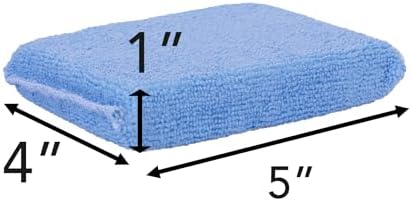
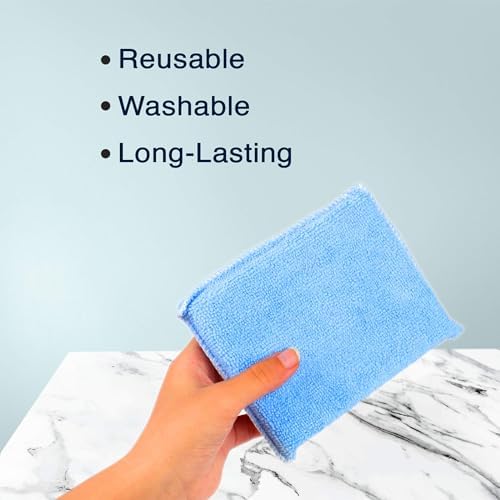
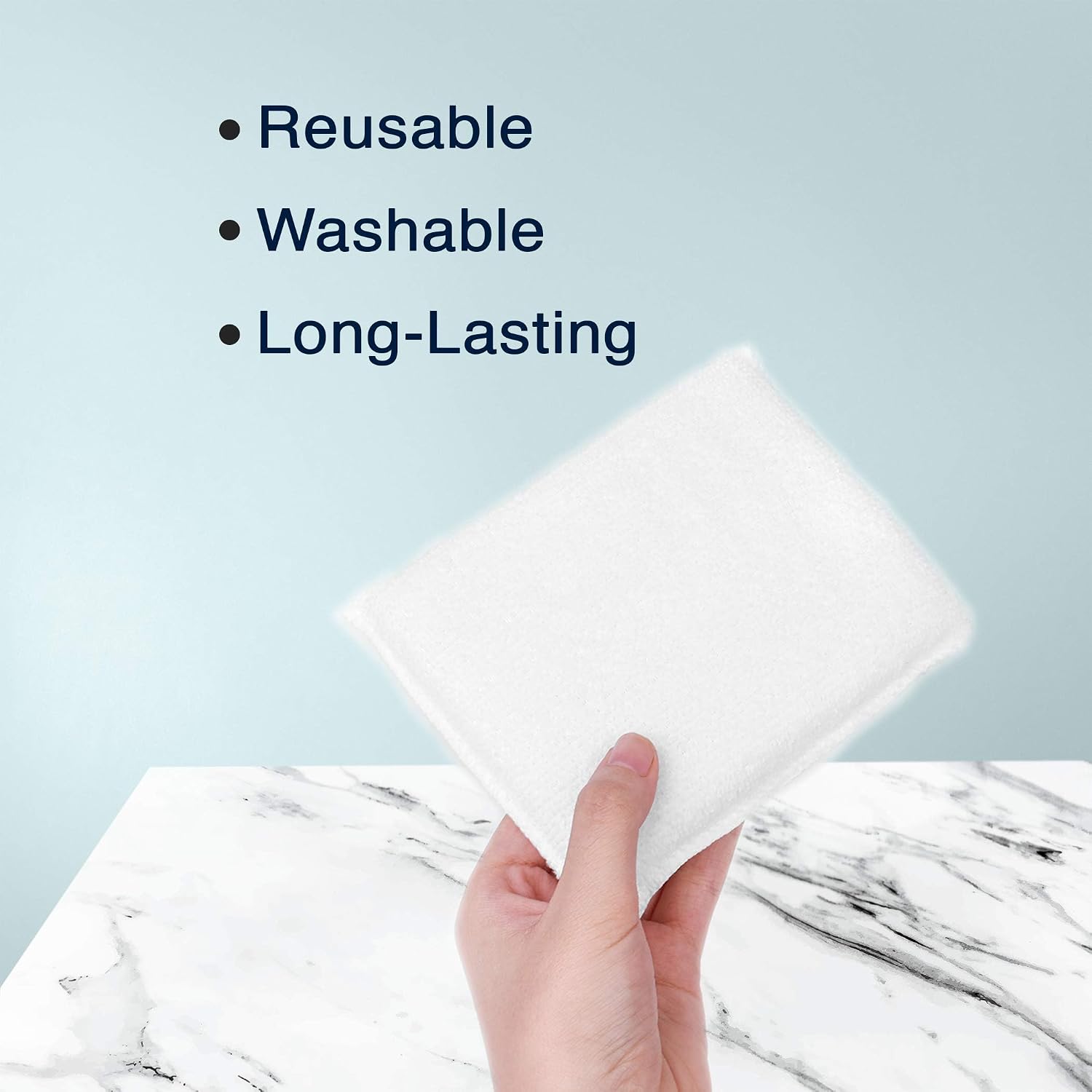
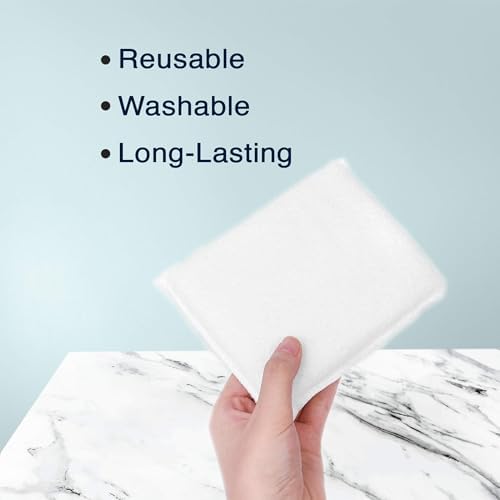
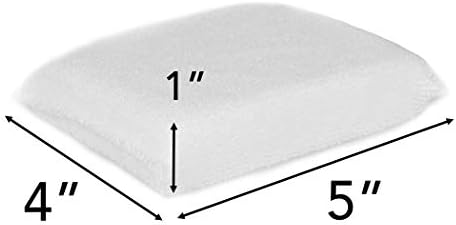
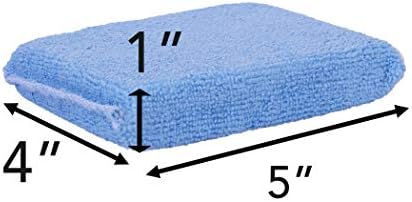
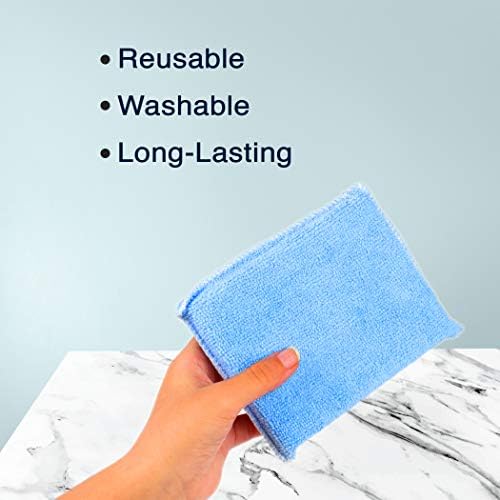
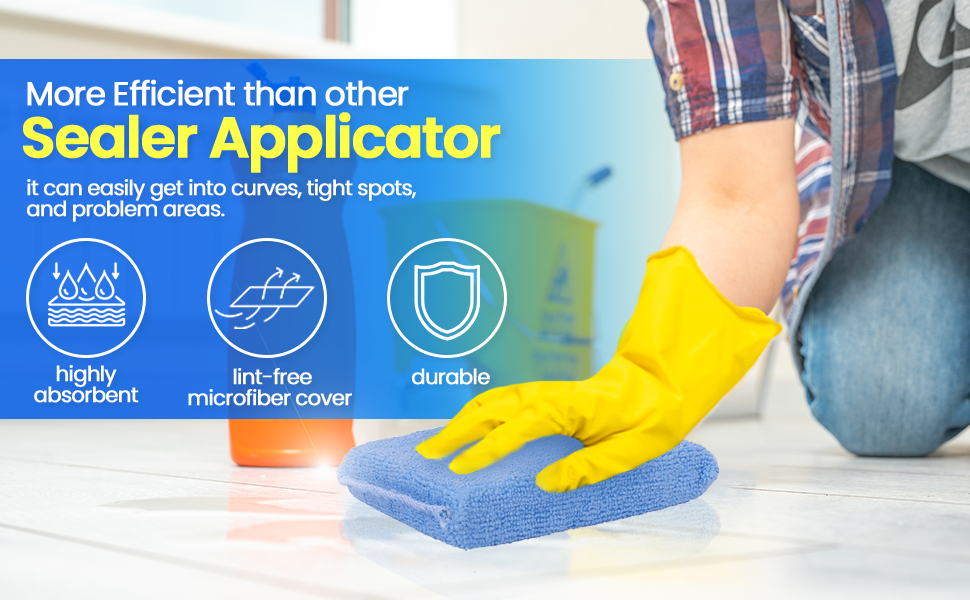
The pads are very absorbent and as it has a lint-free microfiber cover, it won't shed ensuring that no applicator debris will seal into the surface. It's also very durable, resisting wear and tear even when used on rough surfaces. And with these sealer applicator pads, you'll have plenty of pads left for the second coat!
loading