
Free worldwide shipping
Free returns
Carbon neutral
Secure payments
| Product Dimensions | 48 x 100 x 0.04 inches |
|---|---|
| Manufacturer | Premier 1 Supplies |
| Item model number | 207027 |
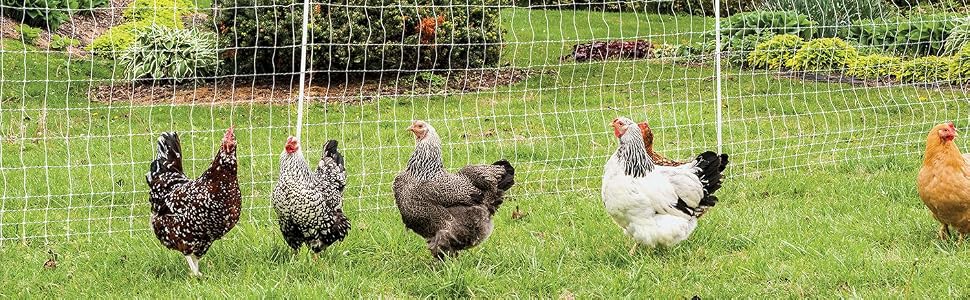
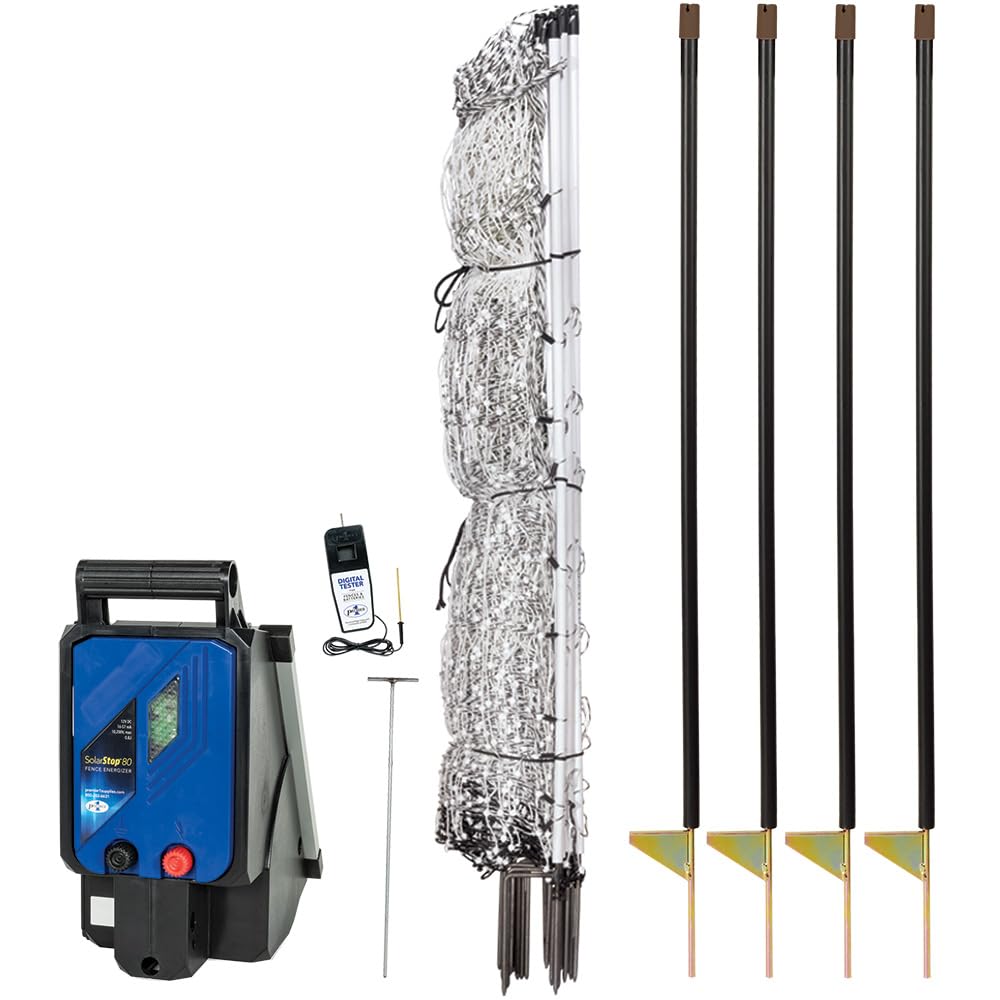
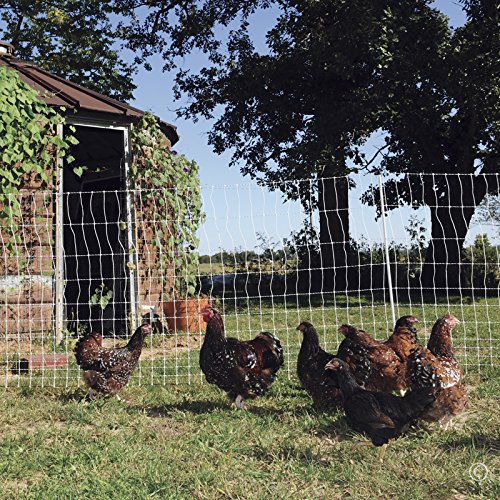
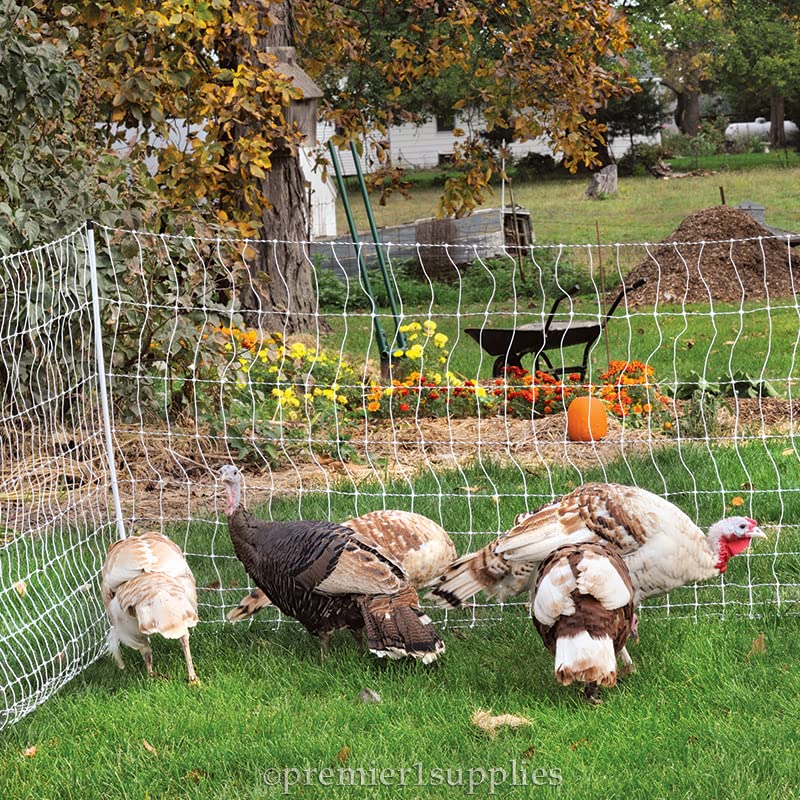
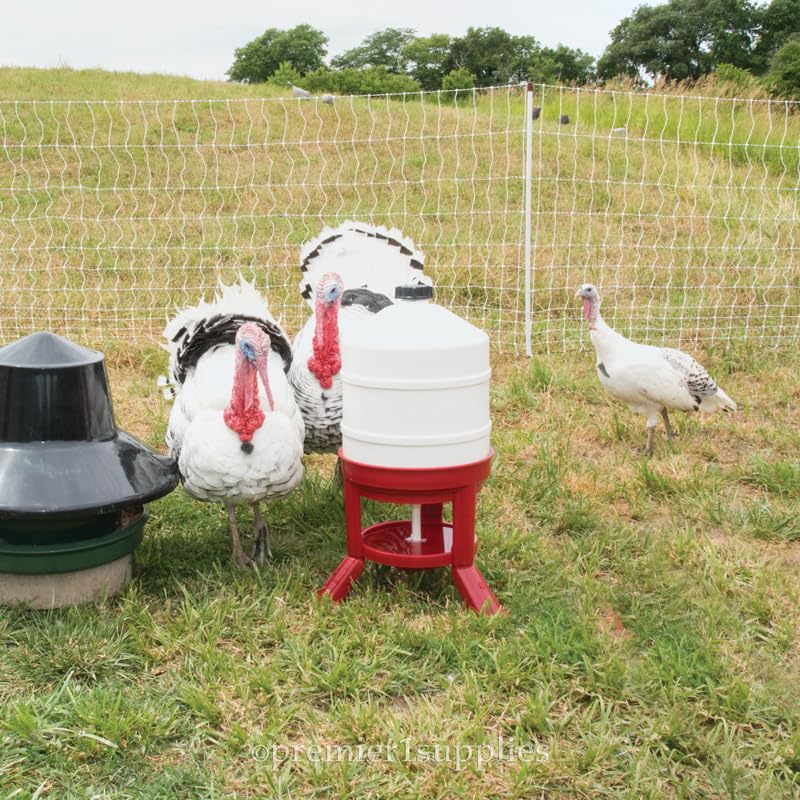
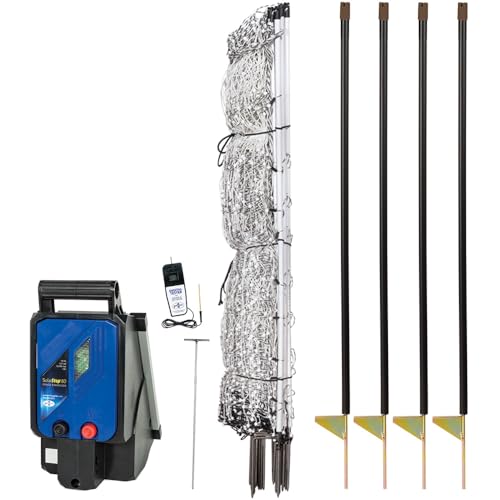
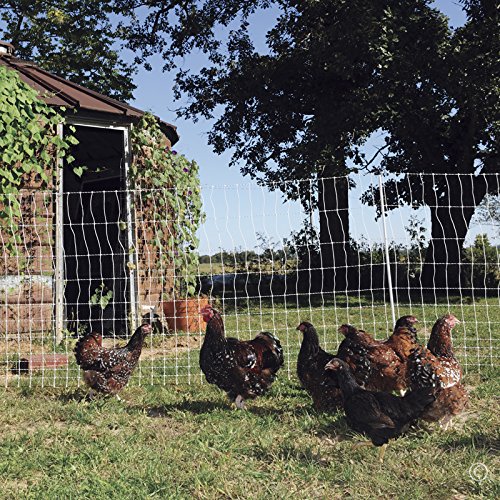
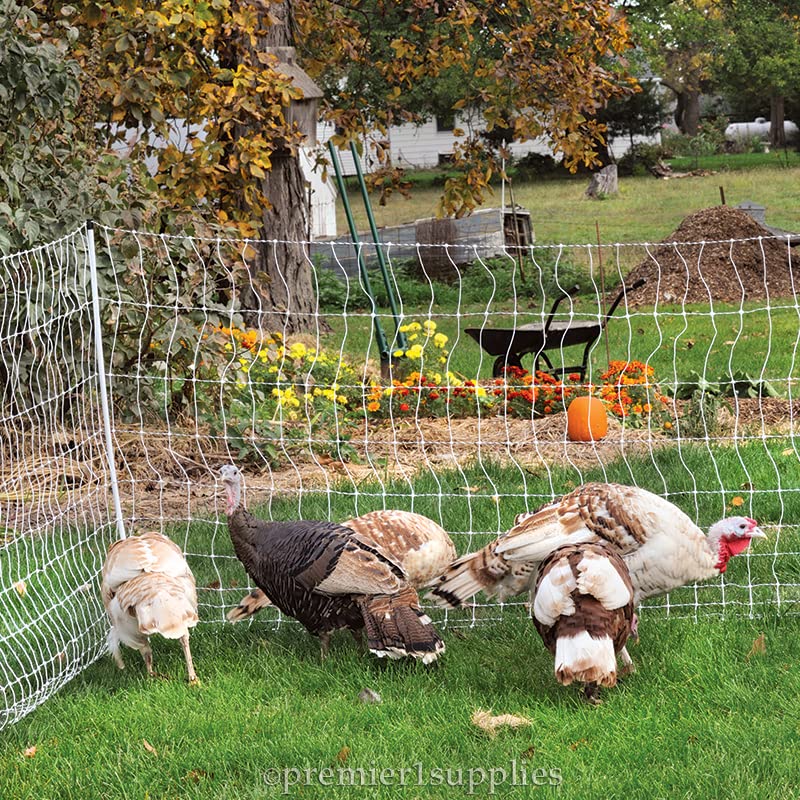
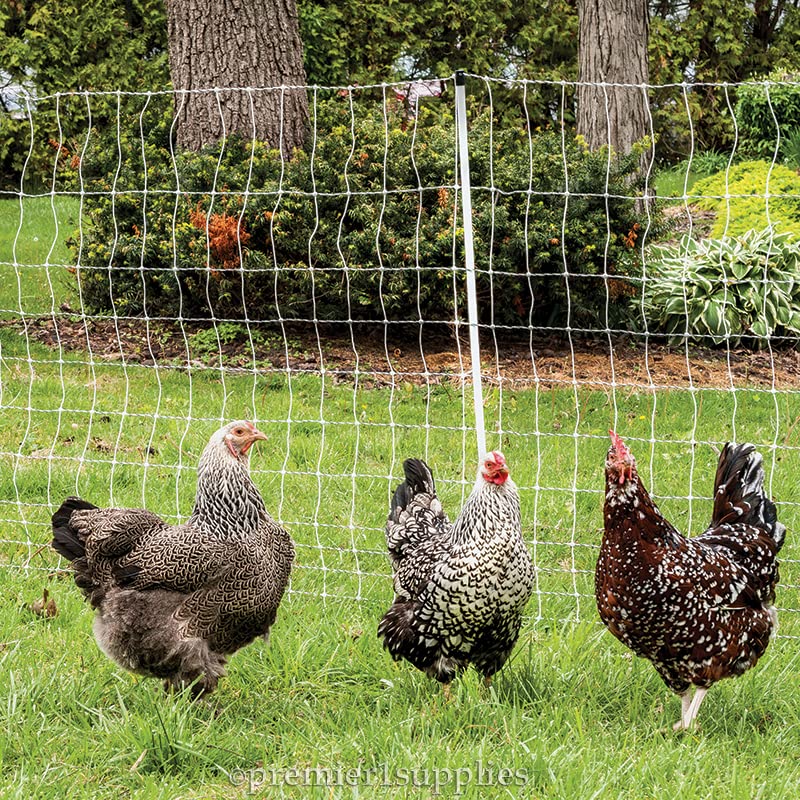
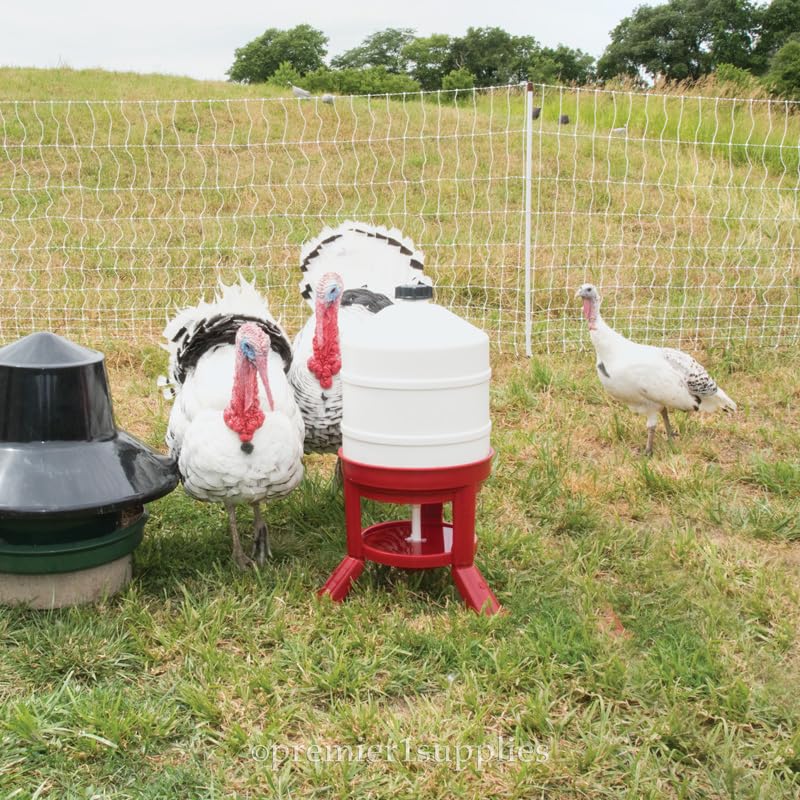
Everything you need in one convenient package to temporarily fence poultry in the backyard or on the pasture. Protects birds from predators such as foxes, coyotes and dogs.
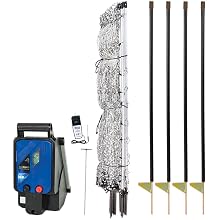
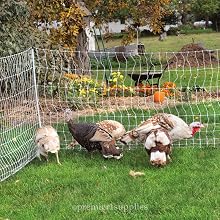
Starter kit contains all the essentials to fence a small flock of birds.
Netting is quick and simple to move. Even for new users, it takes less than 10 minutes to go from out-of-the-box netting to installed fence.
Double spike posts are more stable in soft soils.
With proper care, electric netting should last 5–7 years.
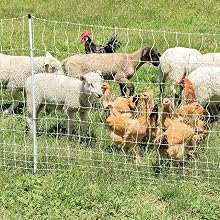
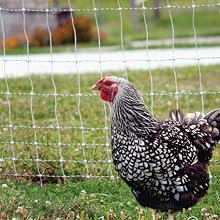
PoultryNet is not effective with baby chicks that are small enough to crawl through the net openings and therefore are not deterred by the electric shock.
Electric fence is a pain barrier, not a physical barrier. A common mistake is not electrifying it. Animals may escape or become entangled. On a % basis, entanglement is very rare, but it can and does occur. If animals are scared or starved it will not keep them in. The first time you put the animals in the net, you should be available to watch them for a while. That way if one were to get into the fence and get caught, you can turn the power off and get them loose.
Netting must be moved when tall grass covers the lower “hot” strands.
PoultryNet Plus 12/48/3
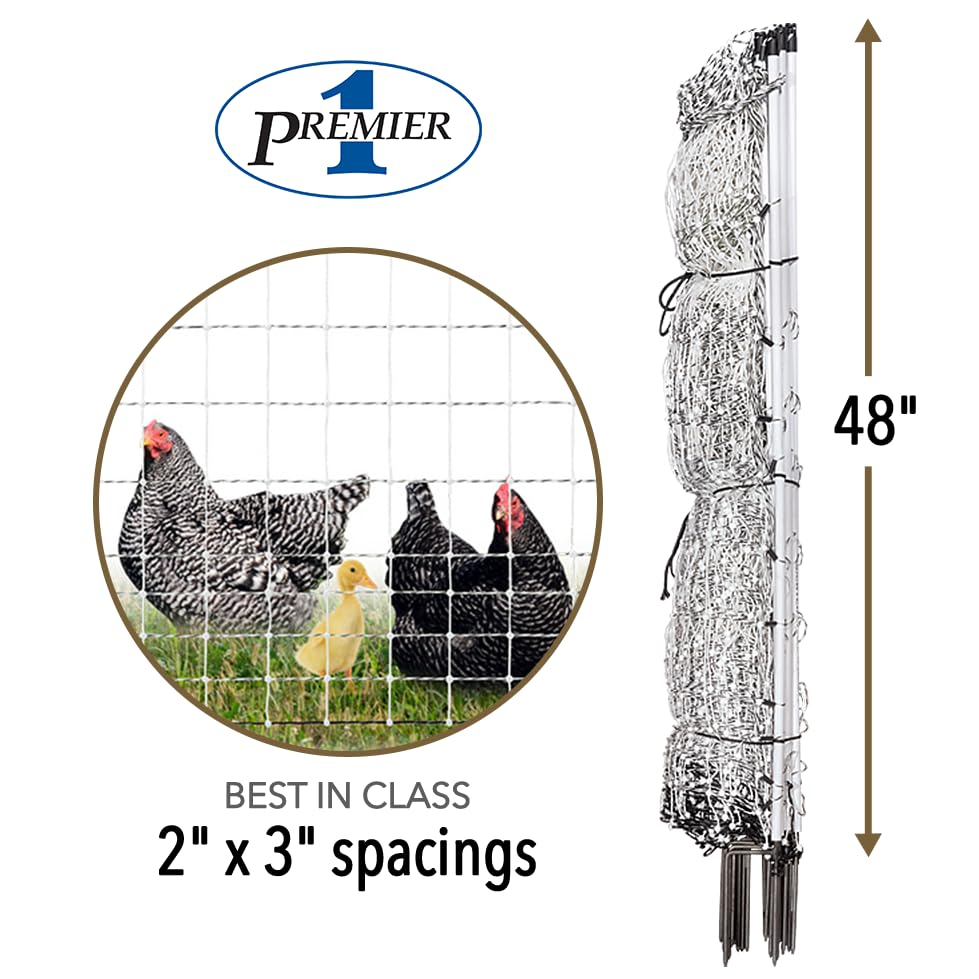
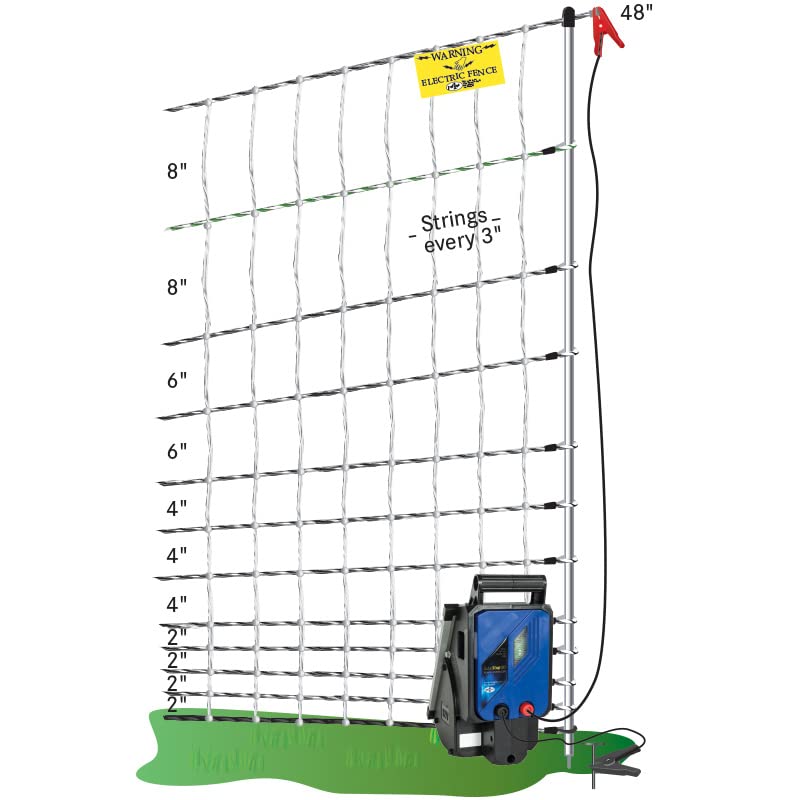
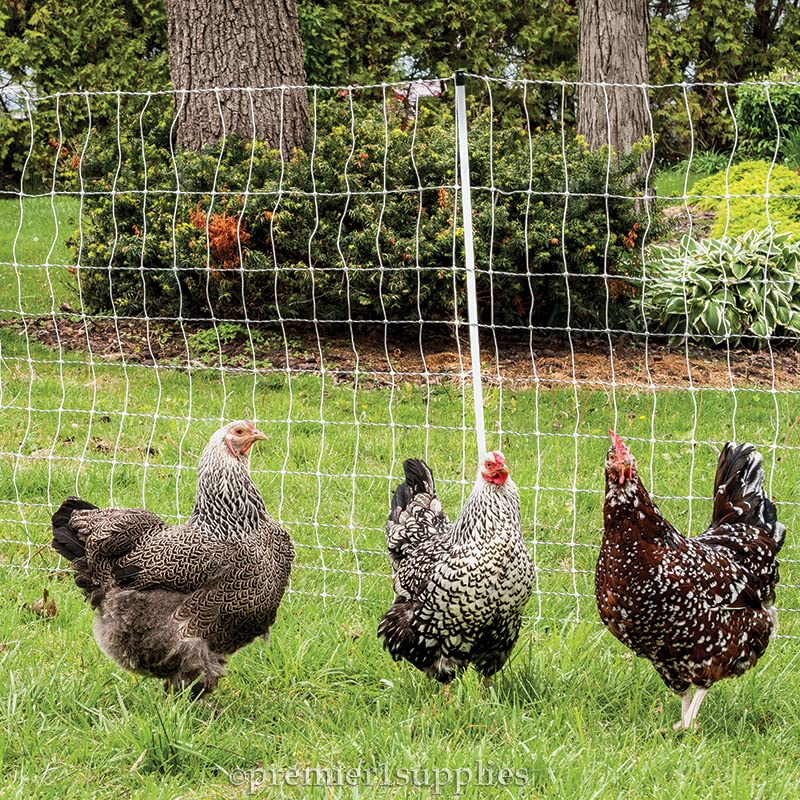
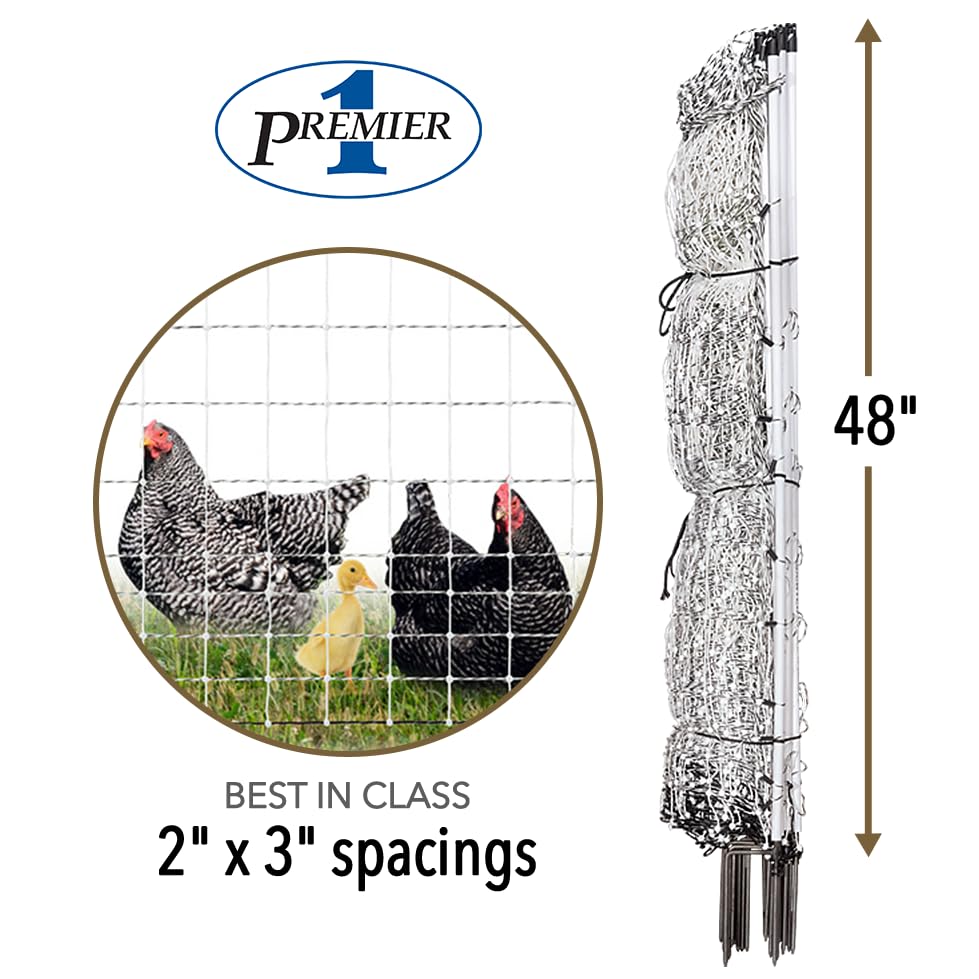
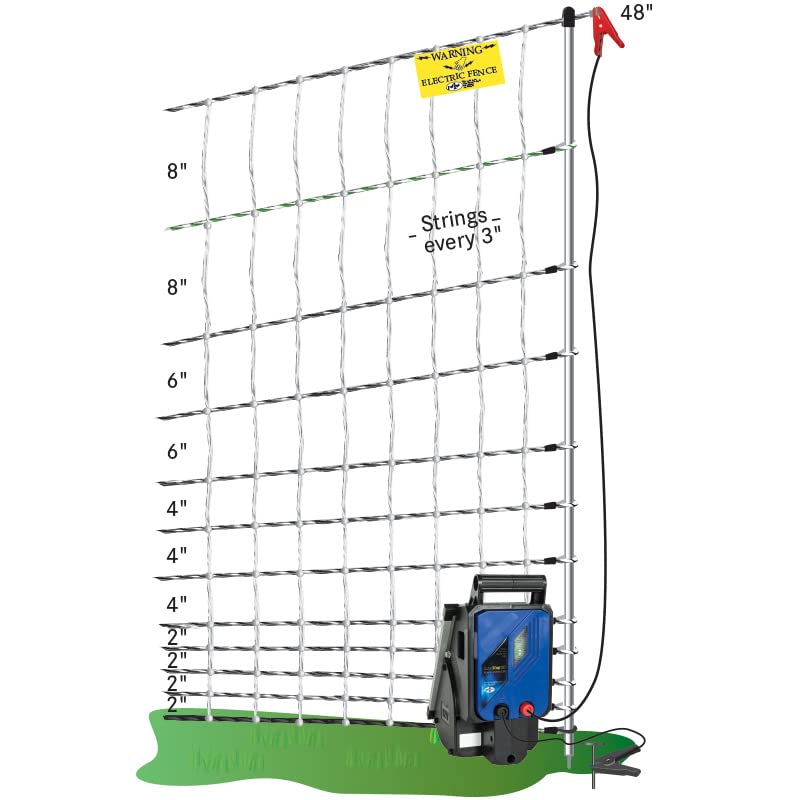
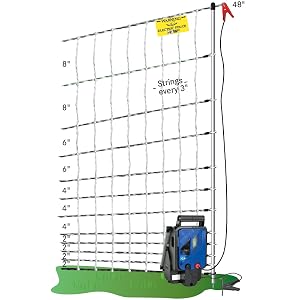
100 ft length, 48" tall electrifiable prefabricated fence. It arrives at your door as a complete roll with the double spike posts already built into the mesh/fence. Features 12 horizontal strands (11 electrified) with vertical struts placed every 3". “Plus” nets include additional line posts spaced every 6'8" to reduce sag.
FiberTuff Posts
(4) fiberglass-reinforced support posts for ends, corners and major directional changes. Use at ends to help maintain tension on the fence.
SolarStop 80
Solar powered 0.80 joule fence energizer. Will electrify 3–6 rolls of electric netting depending on soil conditions and vegetation. Includes 12V 12Ah battery, wiring harness and 10 watt solar panel.
Fence & Battery Digital Tester
For testing fence voltage and 12V battery voltage. At the end of the net, the voltage should measure at least 3,000V. Premier’s fence troubleshooting guide may help solve common problems.
| Height | 48" installed |
| Horizontal Strands | 12 (11 conductive) |
| Vertical Strands | Plastic strings, spaced every 3" |
| Roll Length | 100' |
| Color | White/Black or Green/Black |
| Electrical Resistance | 35 Ω/per 1000' |
| Line Post Options | Double Spike (DS); White PVC, 0.60" diameter |
| Spike Length/Diameter | 6"/0.26" |
| Distance Between Posts | 6'8" |
| Horizontal Spacings | 2", 2", 2", 2", 4", 4", 4", 6", 6", 8", 8" (from bottom to top) |
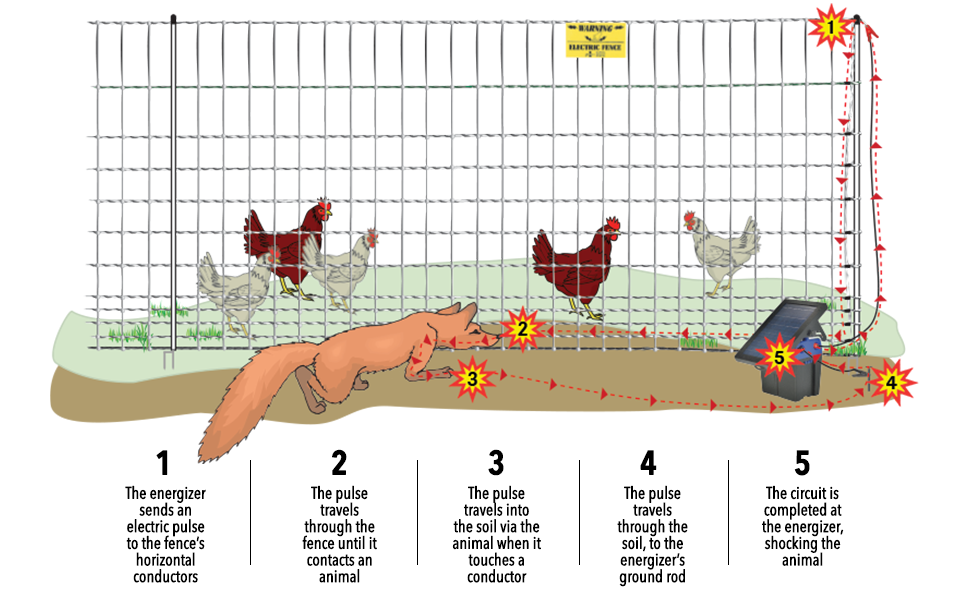
The horizontal strands are energized (except for the bottom one that rests on the grass) by a fence energizer. When chickens or ground-based predators touch it, they receive a high-voltage shock from the brief electric pulse—and learn to avoid it.
This is netting’s biggest negative. Too much green grass or weed contact lowers the voltage of the fence. To overcome:
A good rule of thumb is to buy an energizer with more joule output than you’ll think you need. When the fence pleases, most folks will buy more fence—and need additional output.

Birds will fly over the fence if there is insufficient feed, too crowded, or if they’re trying to avoid fights. Some hens are just plain stubborn and refuse to “get with the program”. When first let out in the morning, watch for the hen that gets out first. She’s the lead troublemaker and prime contender for clipping.
If there’s an escape problem, we find it’s usually led by a hen or two with the rest simply following along. Identifying her and clipping the flight feathers on one wing usually solves this problem. This does not have to be done for the whole flock.
Note: Electric poultry netting won’t stop young birds small enough to slip through the 2" net openings.

loading