











Free worldwide shipping
Free returns
Carbon neutral
Secure payments
| UPC | 678482956209 |
|---|---|
| Color | Green |
| Soil Type | Loam Soil |
| Style Name | Little Bluestem |
| Unit Count | 16 Ounce |
| Item Weight | 16 ounces |
| Manufacturer | Outsidepride |
| Moisture Needs | Little To No Watering |
| Special Feature | Seeds, Heirloom |
| Material Feature | GMO Free |
| Material Features | GMO Free |
| Sunlight Exposure | Full Sun |
| USDA Hardiness Zone | 3 |
| Indoor Outdoor Usage | Outdoor |
| Expected Plant Height | 3 feet |
| Expected Blooming Period | Year Round |
| Expected Planting Period | Spring |
| Manufacturer Part Number | OUT-3701 |
| Plant or Animal Product Type | grass seed |
| Other Special Features of the Product | Seeds, Heirloom |

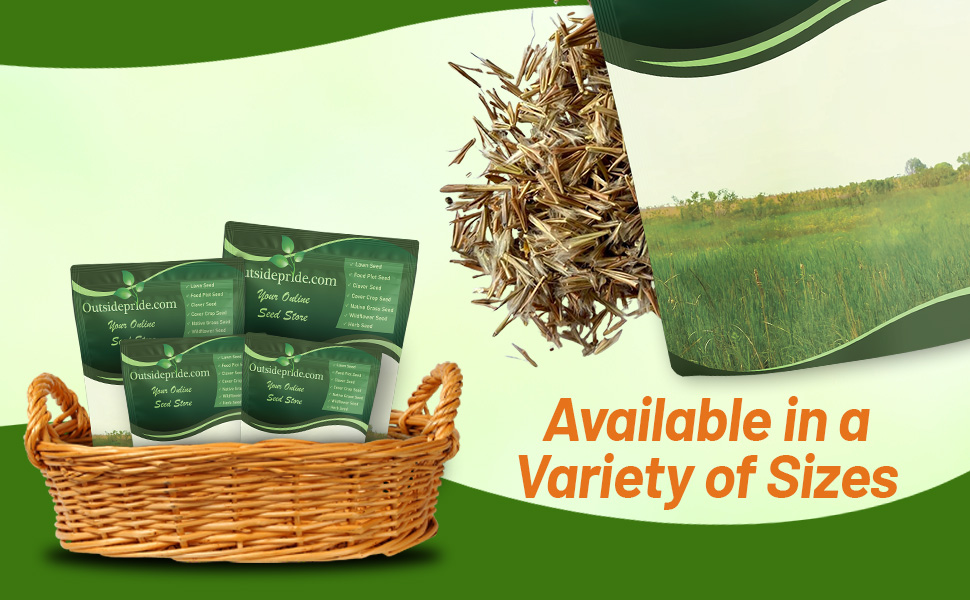
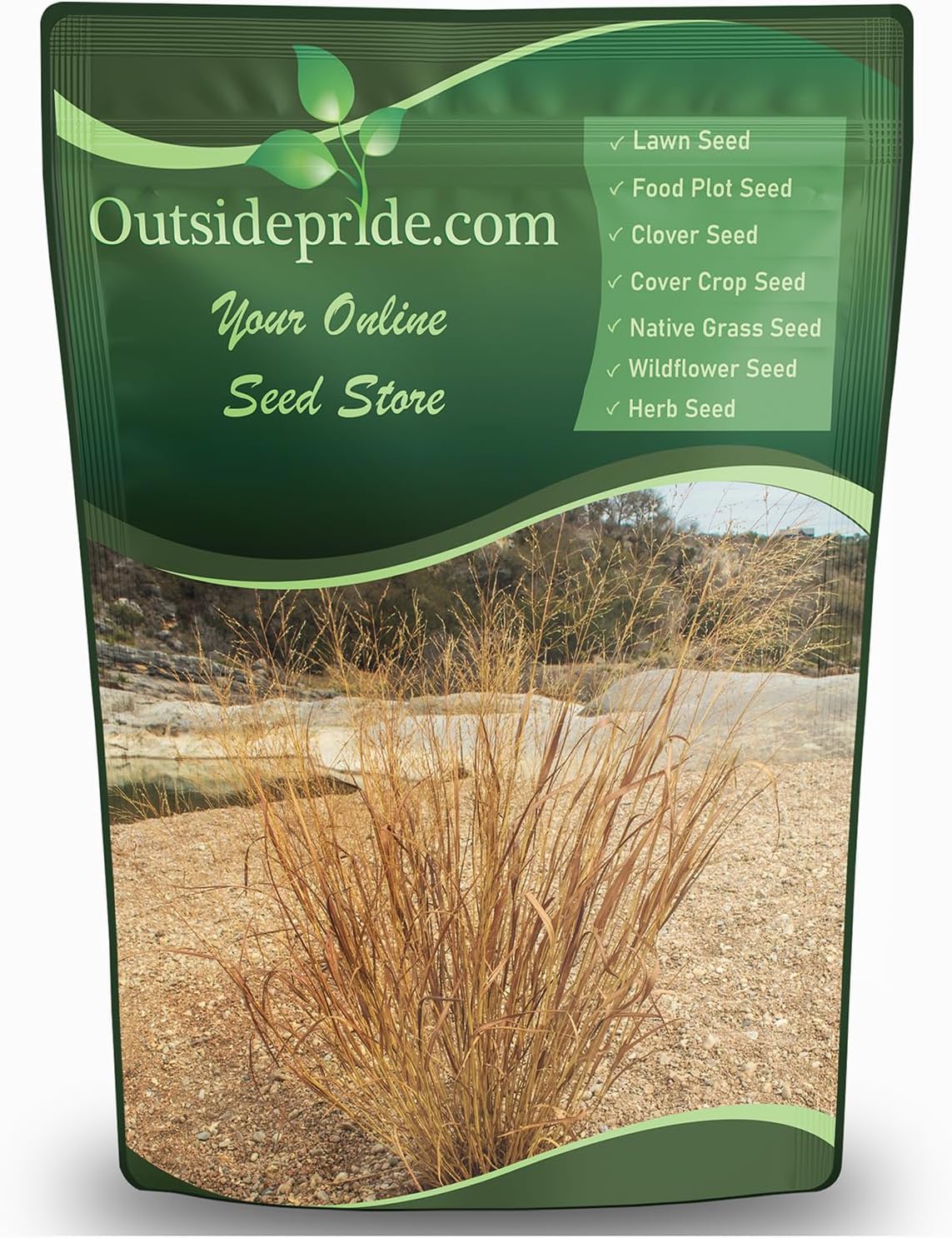
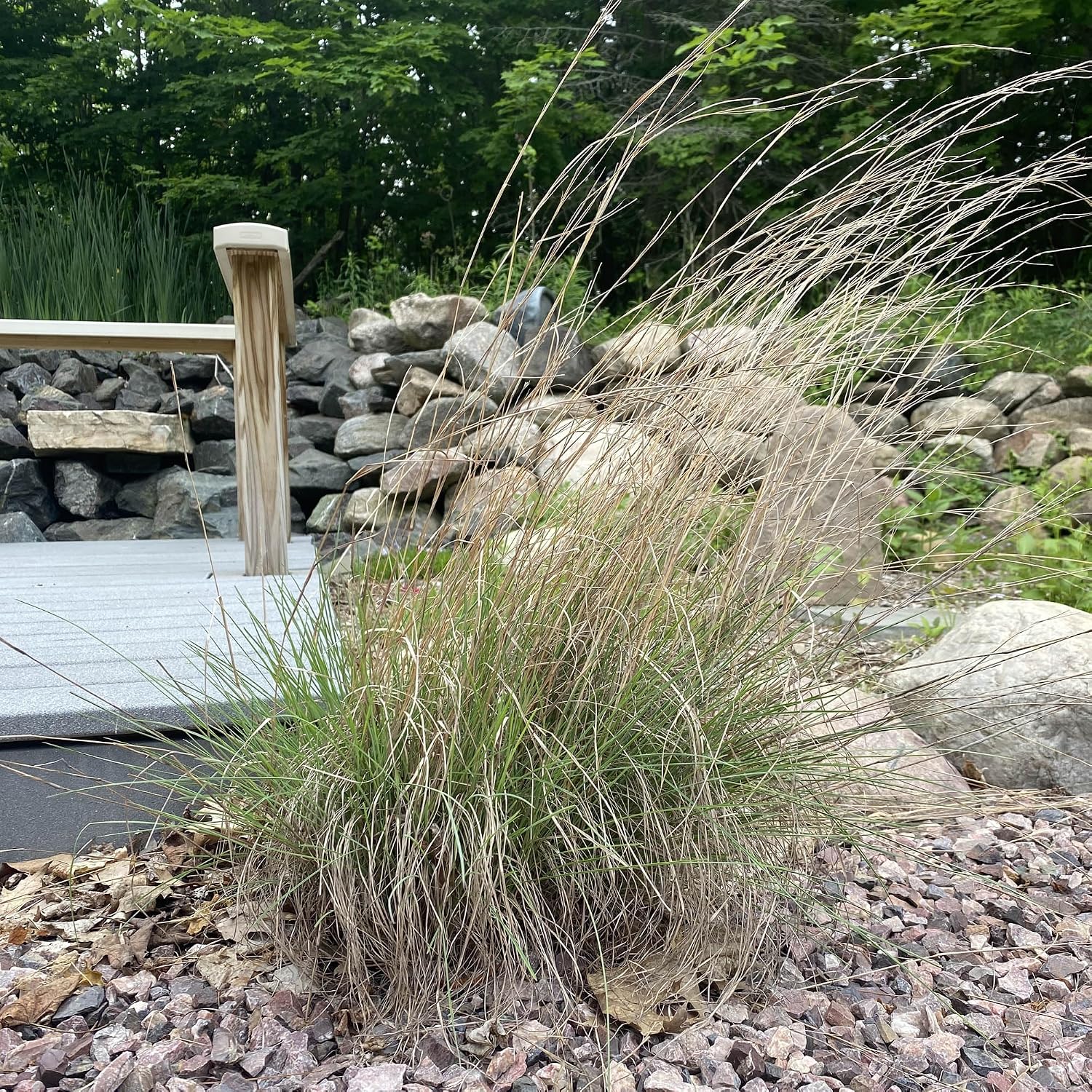
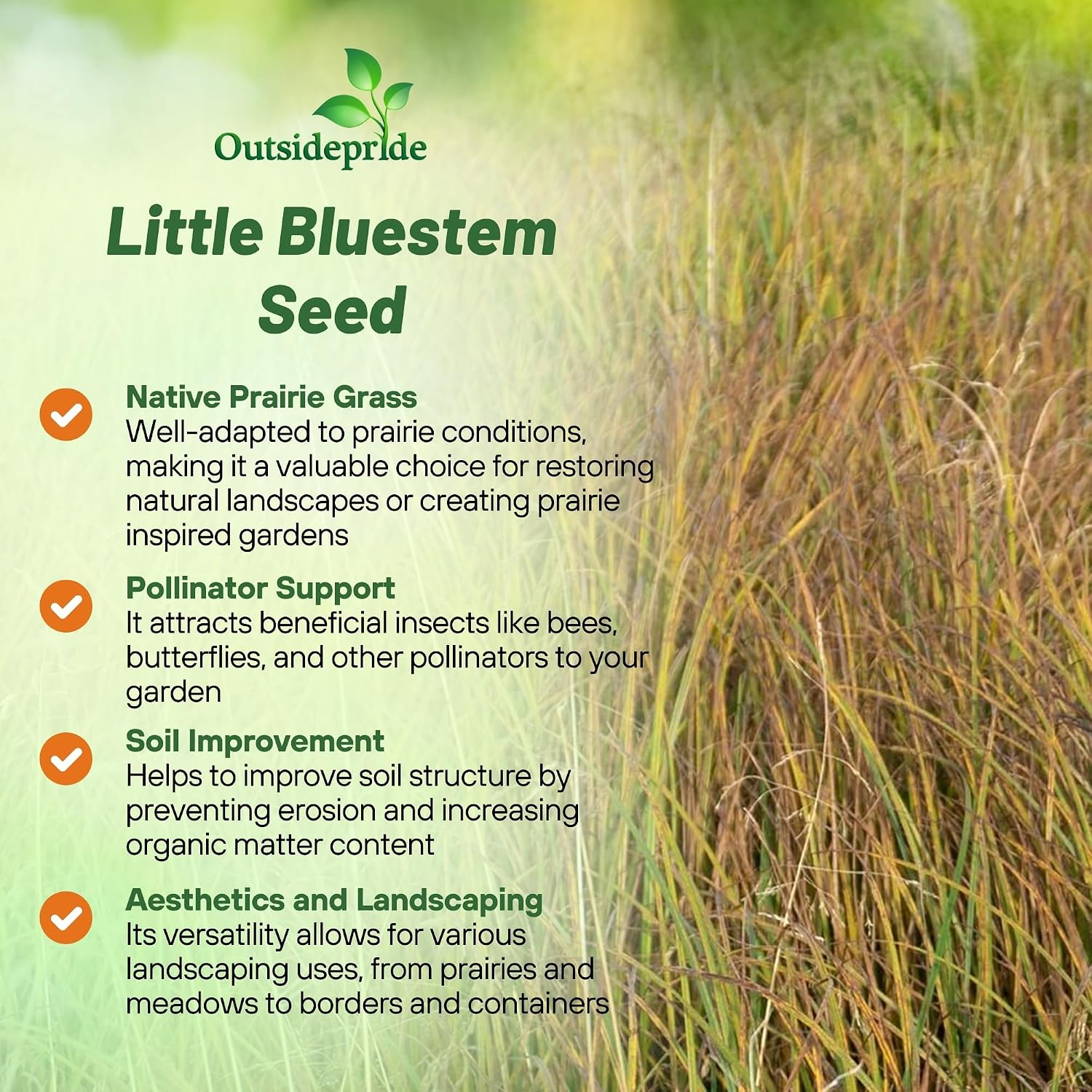
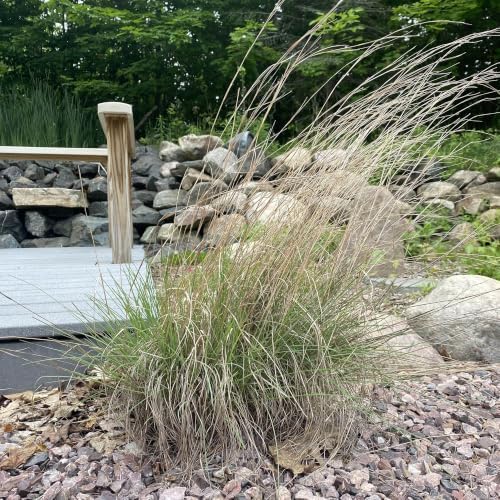
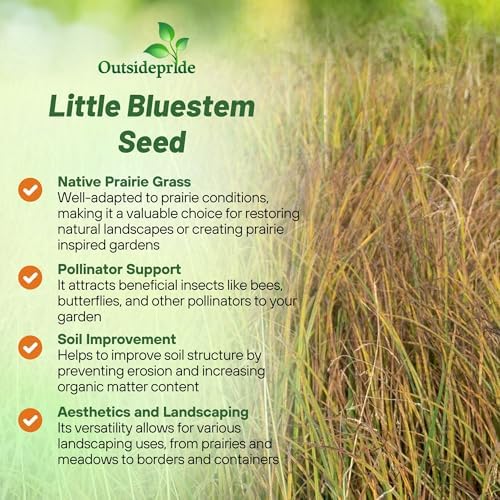
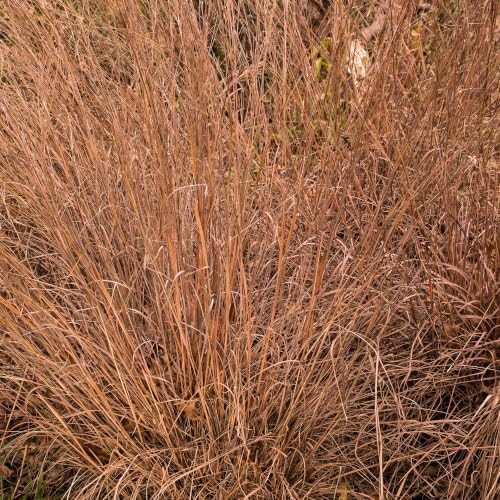
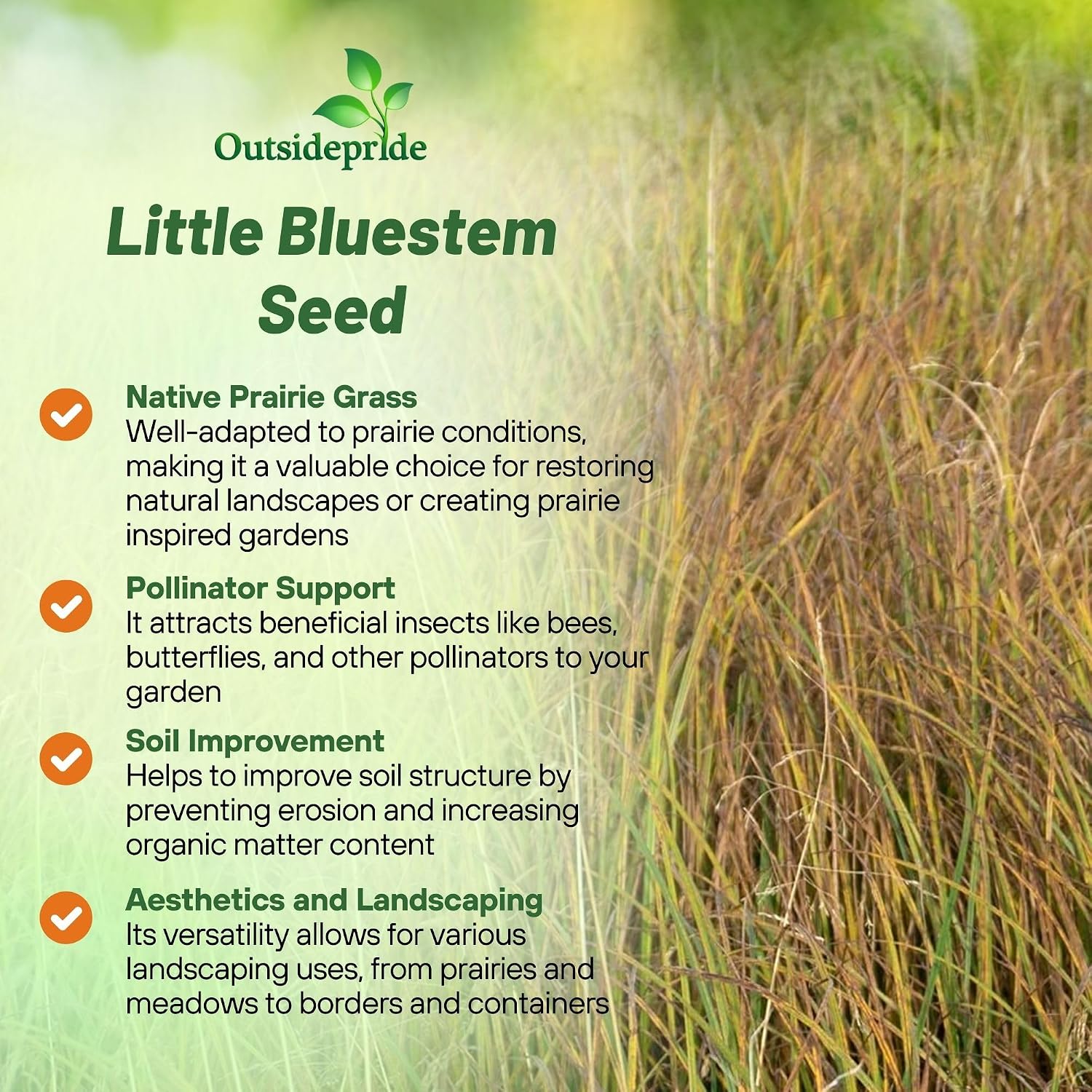
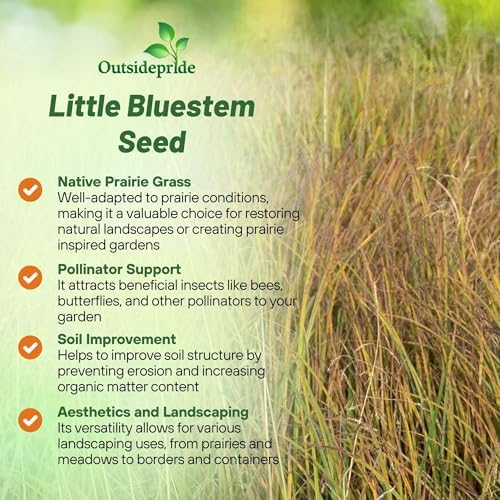
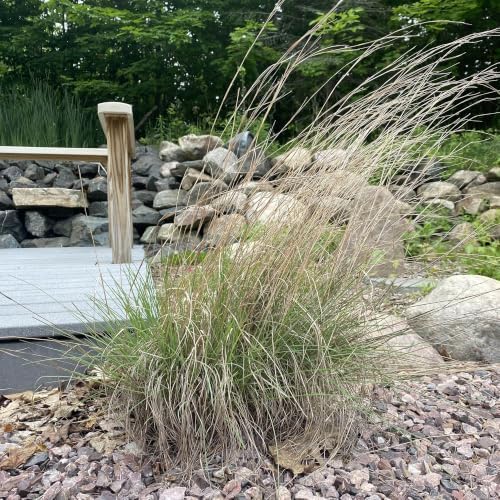
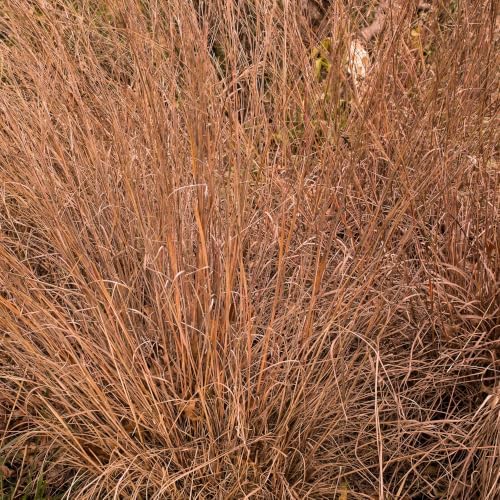
Little Bluestem is a versatile and drought-tolerant native grass, widely used in ornamental landscaping, especially in xeriscapes. This resilient bunch grass, which thrives in well-drained, medium to dry soils, showcases striking blue-green foliage that turns a vibrant red in fall, topped with fluffy silvery-white seed stalks. Reaching heights of up to four feet, it is a popular choice for wildflower plantings and is particularly effective for erosion control. Little Bluestem also provides forage for livestock and wildlife, making it a valuable addition to both natural and cultivated landscapes across the United States. It is available in 4 different sizes to suit your various needs.
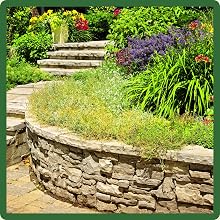
Little Bluestem is adaptable to a wide range of soils because of its ability to thrive in well-drained, medium to dry, and even infertile soils. It has a deep root system that allows it to access moisture from deeper soil layers, which helps it survive in poor or sandy soils. Its tolerance to varying pH levels, particularly slightly acidic to neutral soils, and its ability to grow in thin, upland sites contribute to its adaptability across diverse environments.
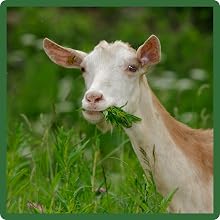
This native prairie grass is a moderately nutritious forage species that is well-suited for grazing by livestock, deer, and elk. This grass is favored by a variety of animals due to its palatable nature and the nutritional benefits it offers. Farmers and ranchers often rely on Little Bluestem as a grazing resource for their herds because it can sustain and nourish different types of grazing animals effectively.
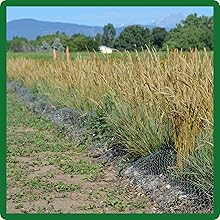
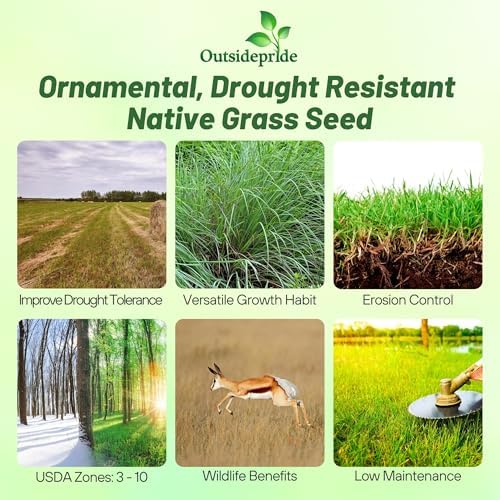
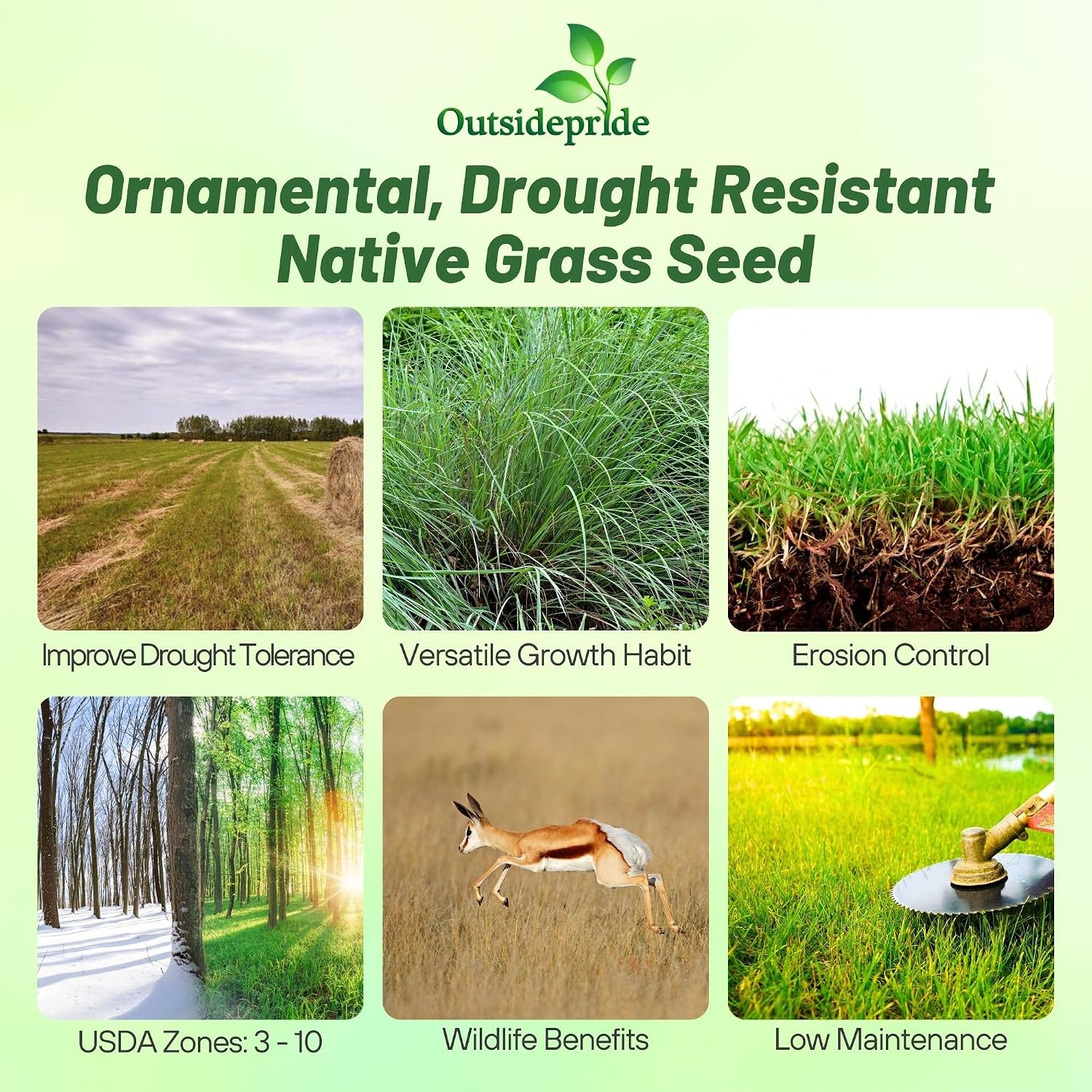
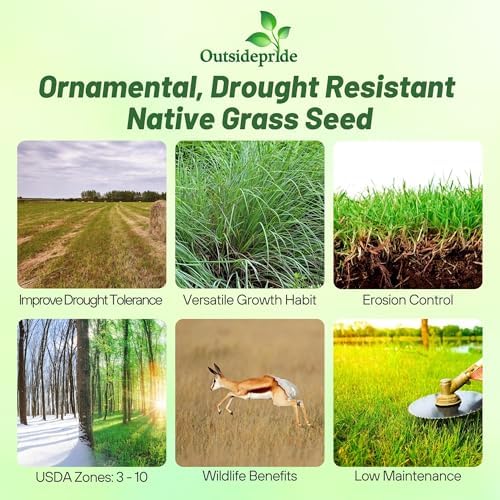
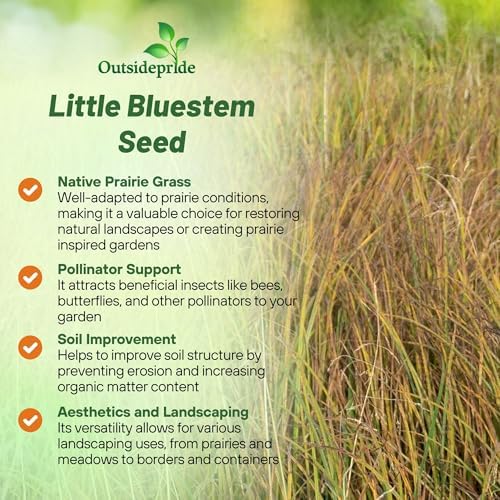
Little Bluestem is excellent for erosion control because its deep and dense root system anchors the soil, preventing it from being easily eroded. Its resilience in thin, upland soils and drought conditions further enhances its effectiveness in stabilizing soil in challenging areas. Additionally, its ability to grow in a variety of poor soil types makes it a versatile choice for erosion-prone landscapes.
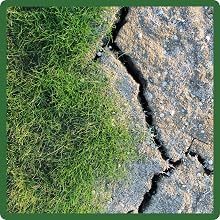
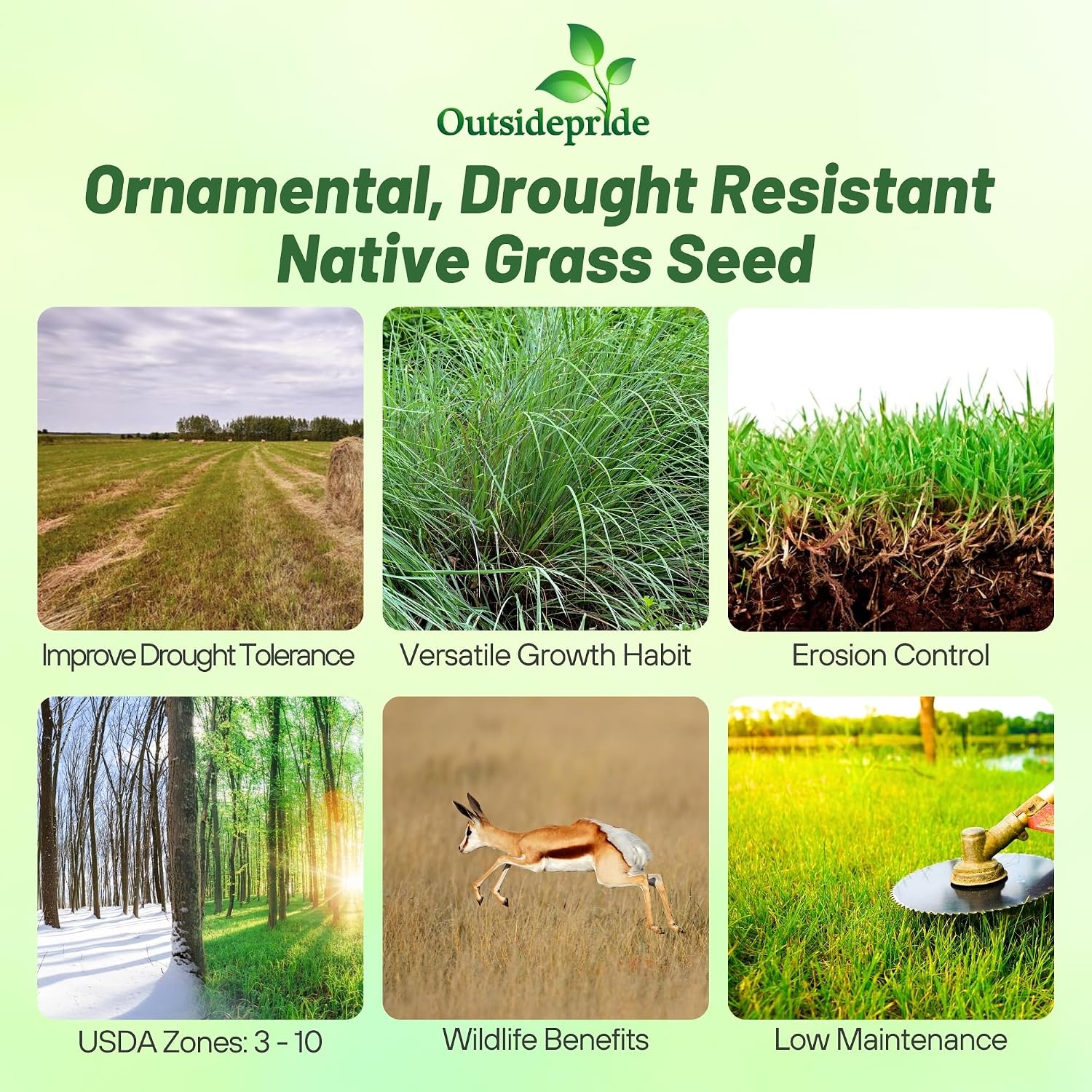
Little Bluestem's drought tolerance is primarily due to its deep root system, which allows it to access moisture from deeper soil layers. Additionally, its narrow leaves reduce water loss through evaporation, and its ability to go dormant during extended dry periods helps it conserve resources and survive in low-water conditions.
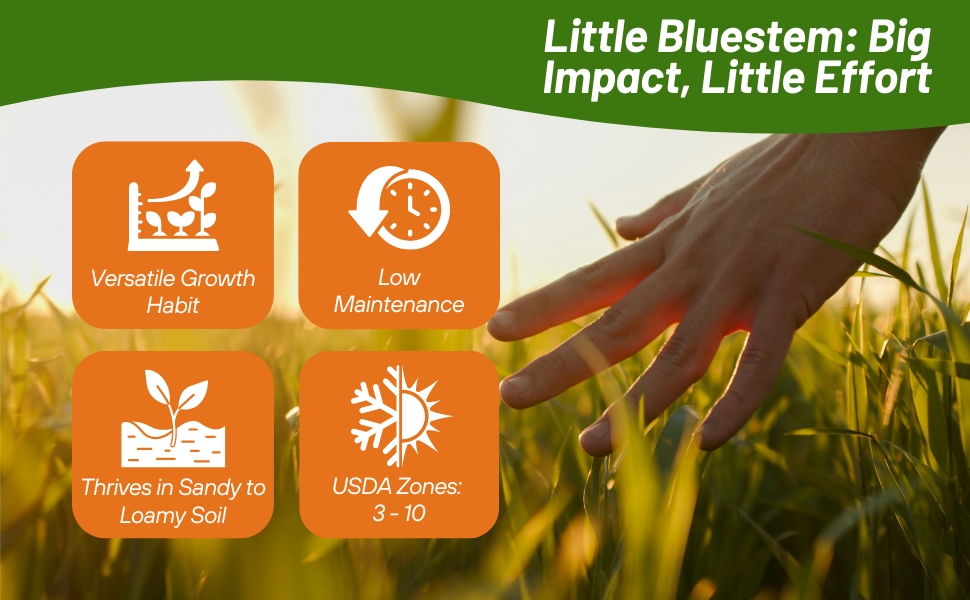
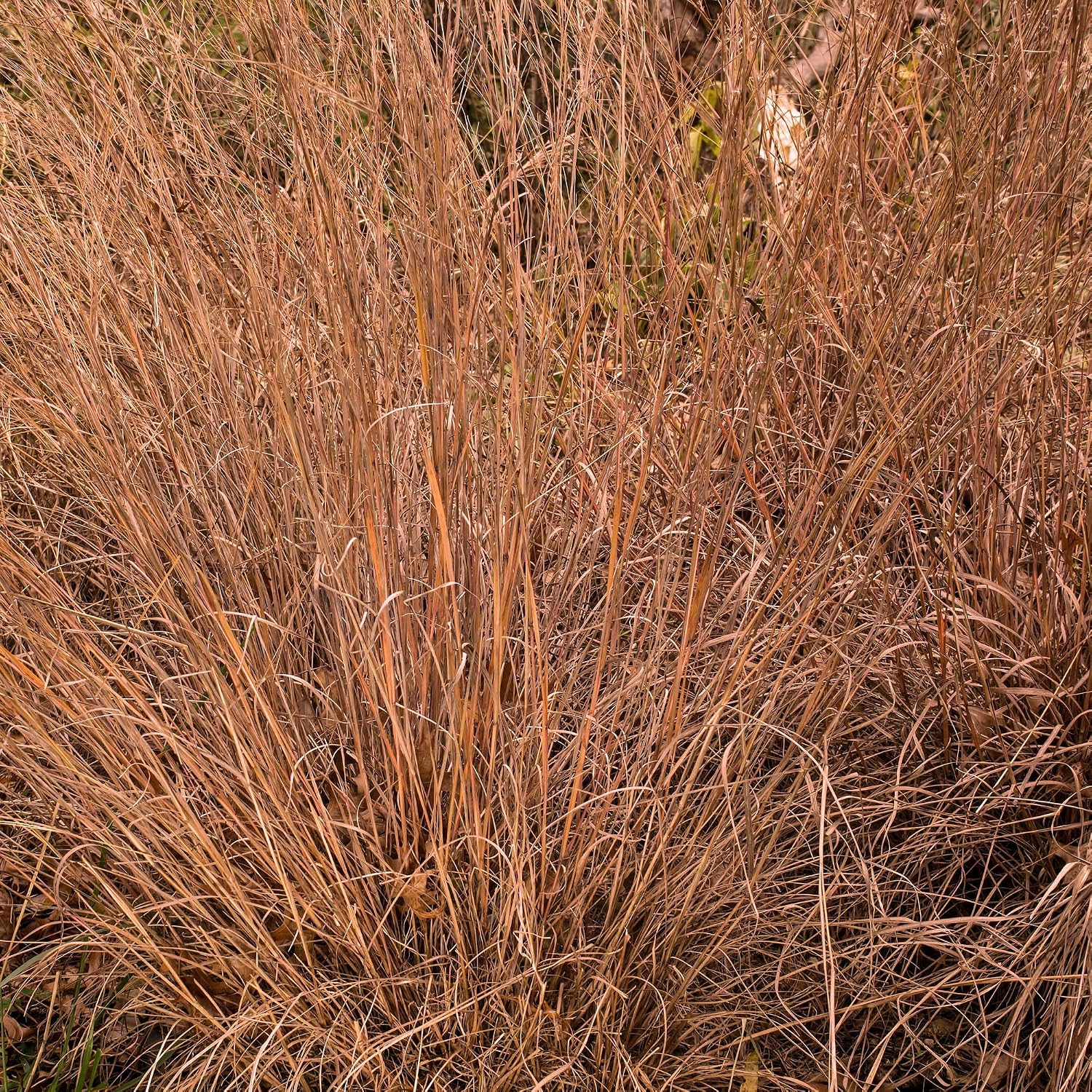
This indigenous prairie grass boasts a diverse palette of colors, displaying an array of blue and green tones. As autumn arrives, these colors transition into a vivid, eye-catching red, crowned with fluffy, silvery-white seed stalks. Its adaptable growth pattern and minimal maintenance requirements make it versatile for various landscapes. It flourishes in sandy to loamy soils and is suitable for USDA hardiness zones 3 through 10, making it an excellent option for various climates and conditions.
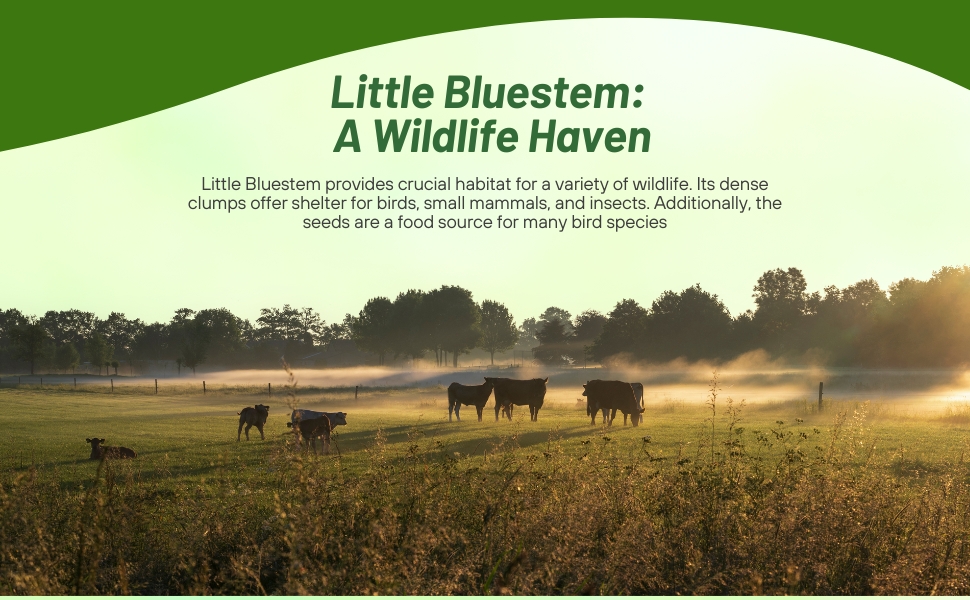
Little Bluestem plays a vital role in supporting diverse wildlife. The dense clusters of this grass offer essential shelter and nesting areas for numerous bird species, small mammals, and insects. Moreover, its seeds serve as an important food source for many bird species, making it an integral component of their diet. The combination of shelter and sustenance provided by Little Bluestem underscores its significance in maintaining healthy natural surroundings and promoting biodiversity.
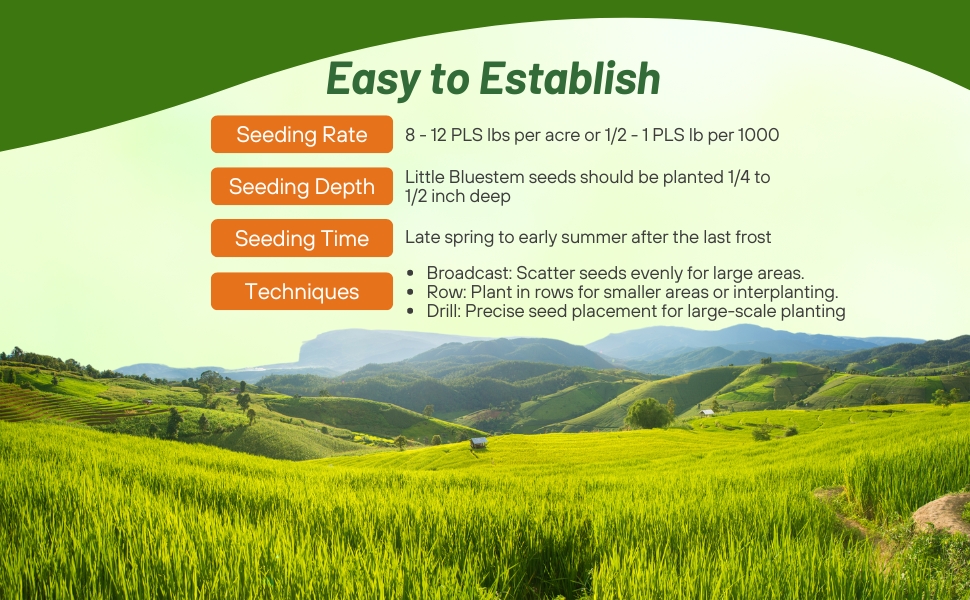
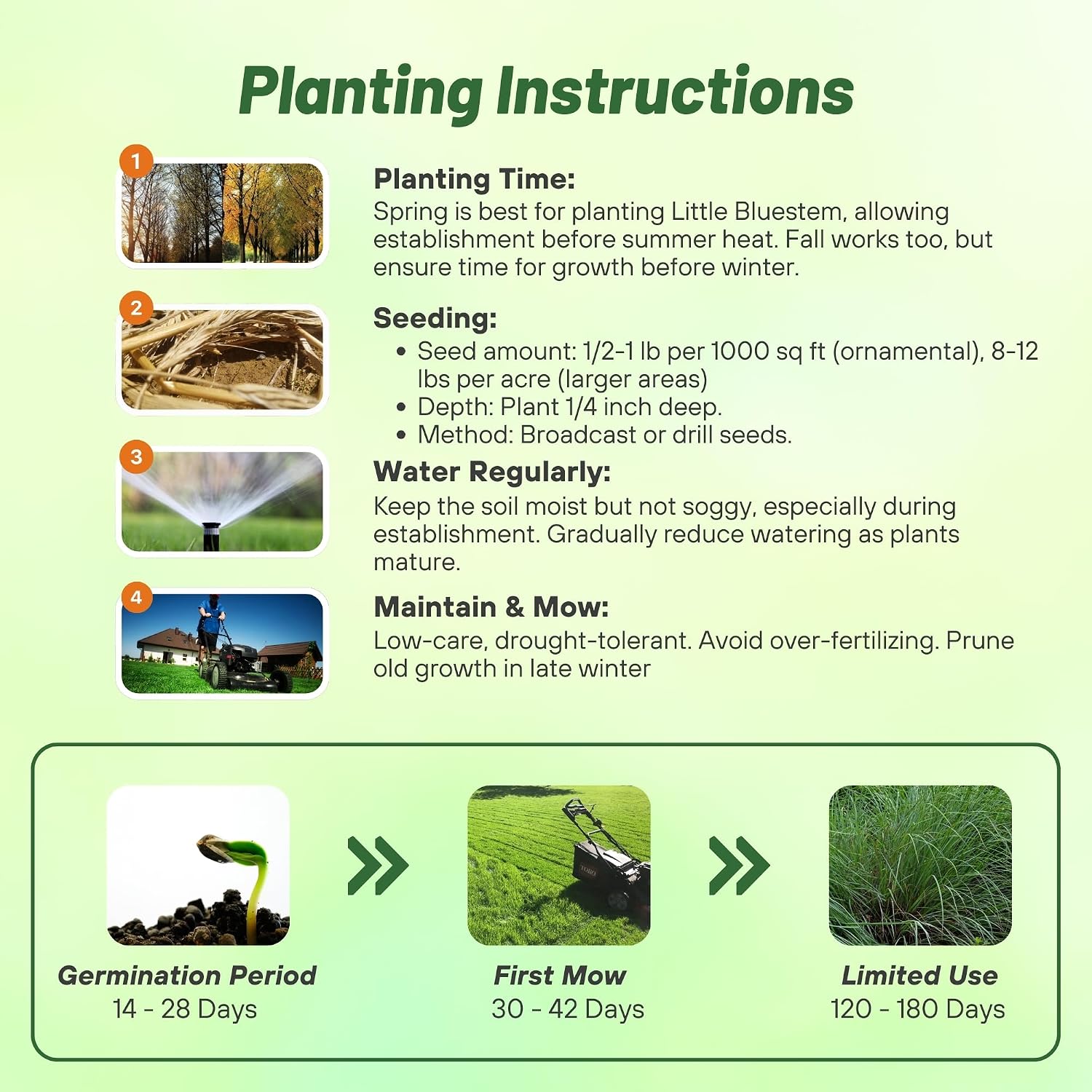
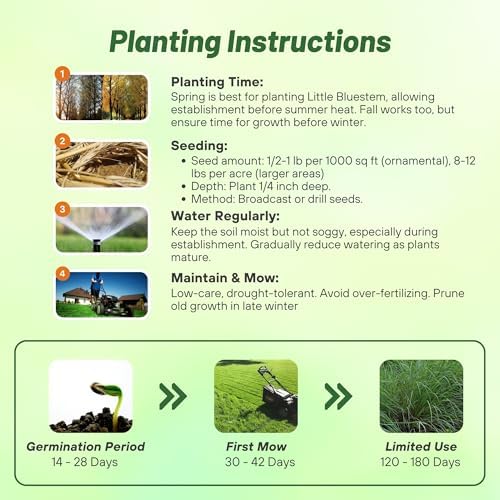
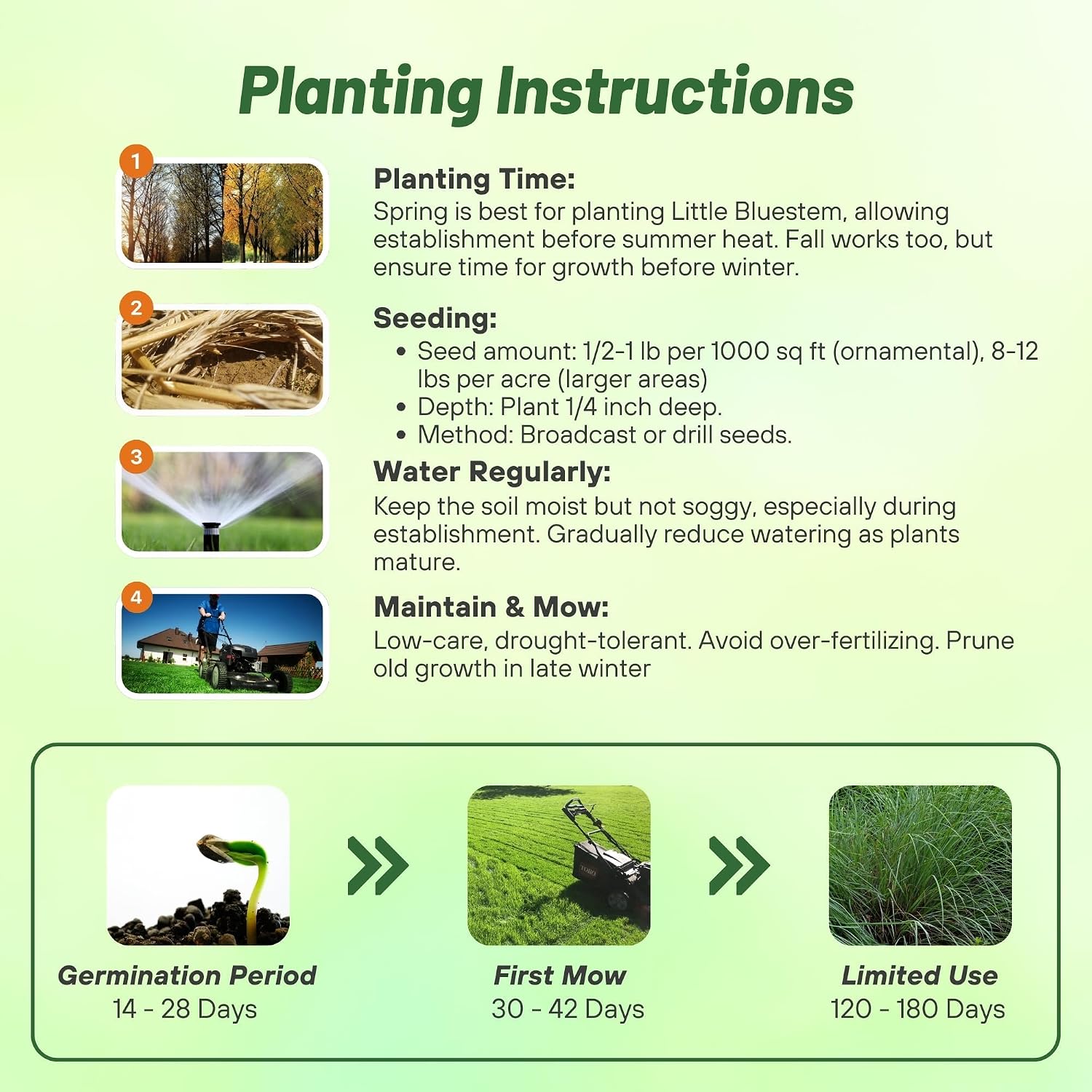
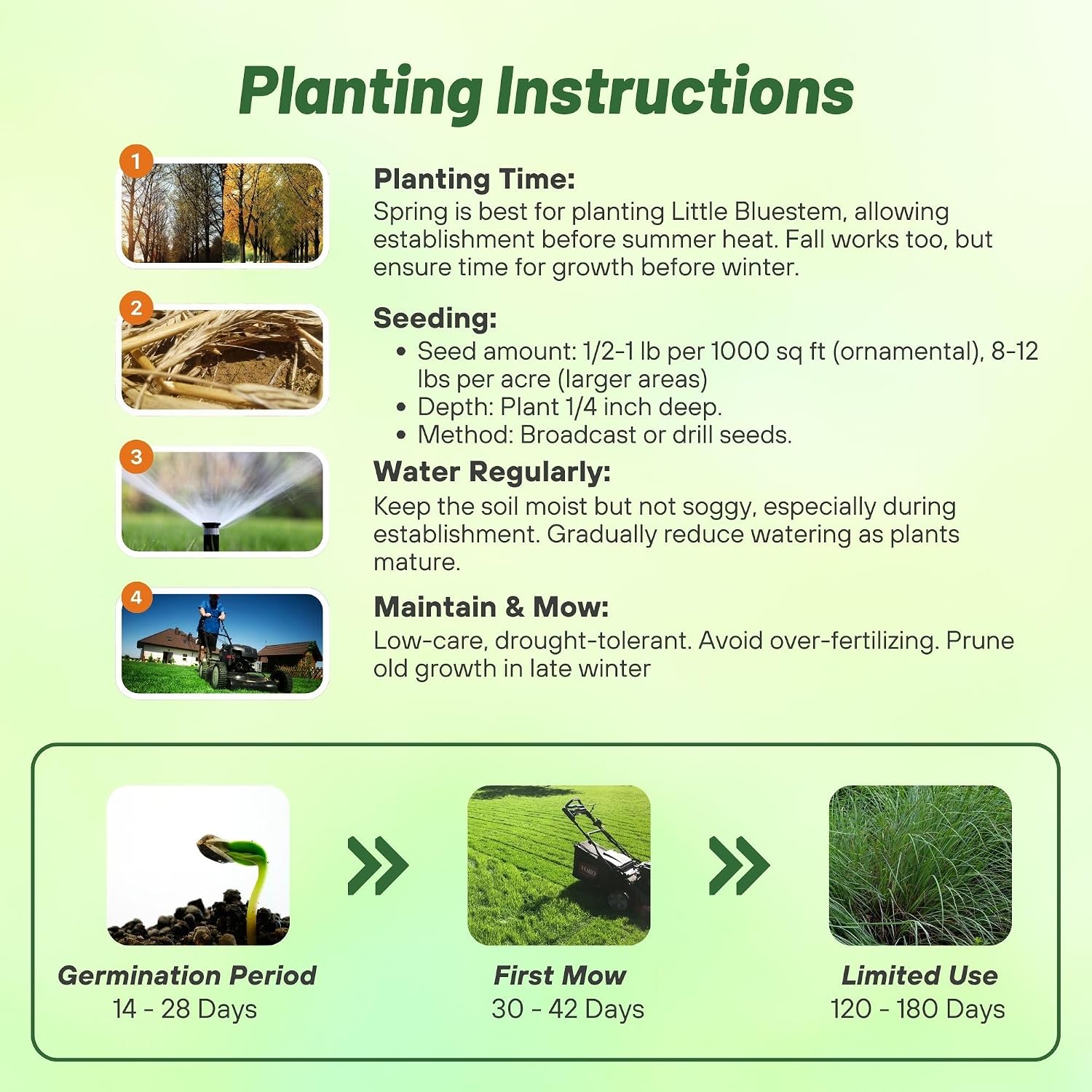
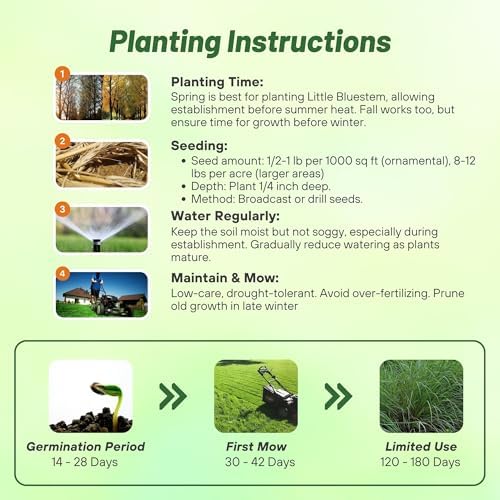
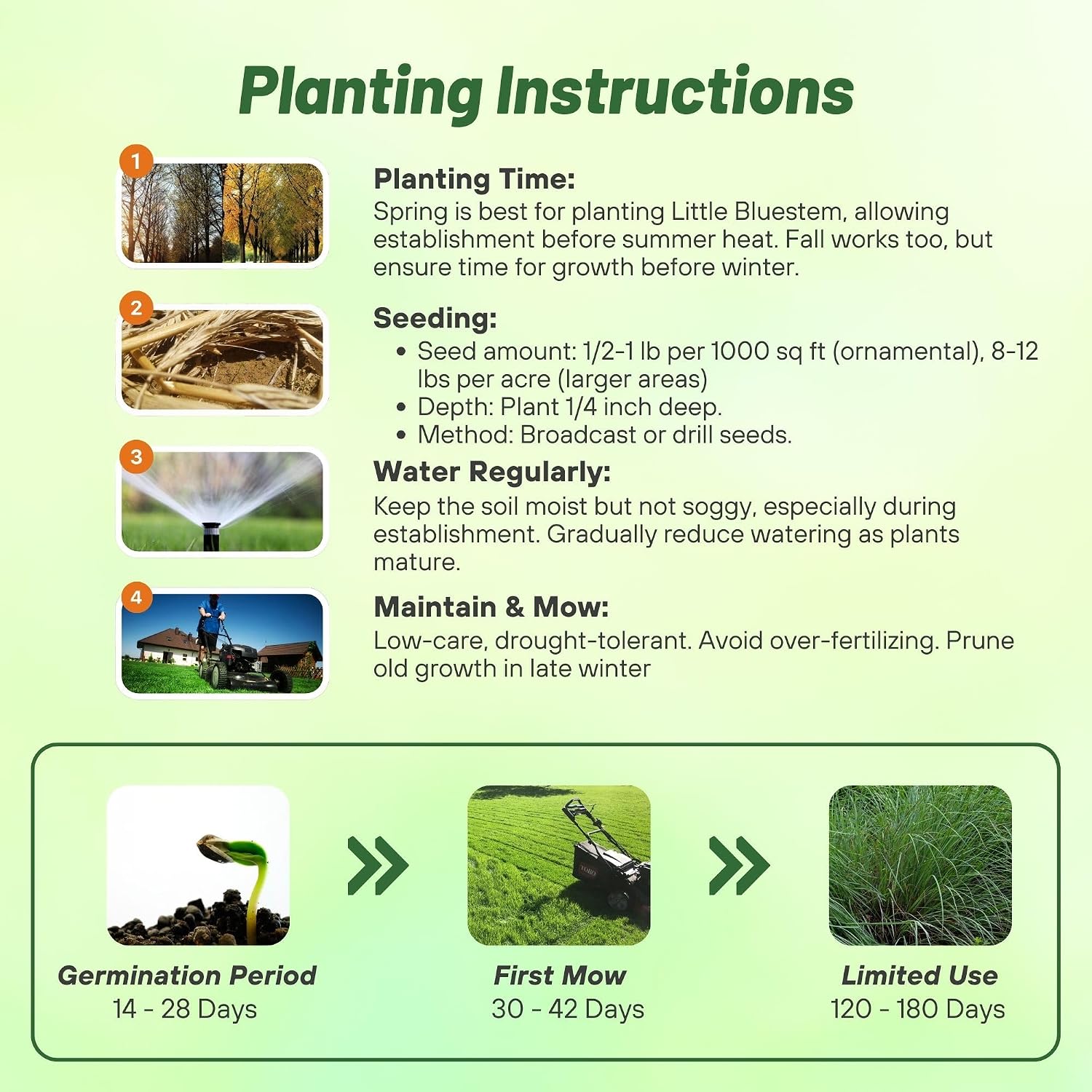
For optimal results, little bluestem native grass seed should be sown as early in the spring as possible. In cases where no-till methods are necessary due to factors like slope or stoniness, it's crucial to control the existing sod in the fall to allow for spring planting. To establish a pure stand using broadcast or no-till techniques, the seeding rate should be between 8 to 12 pounds of pure live seed (PLS) per acre. When utilizing drills for planting, debearded seed is required unless the drill is equipped with a chaffy seed box. For broadcast seeding, a packer should be used to firm the seedbed and ensure the seed is incorporated to a depth of 1/4 inch. Nitrogen fertilizer should not be applied during the establishment year unless there is no expected weed competition. If the soil pH is below 5.5, lime should be applied either during site preparation or the fall before no-till planting.
loading