









Free worldwide shipping
Free returns
Carbon neutral
Secure payments
| Item Form | Capsule |
|---|---|
| Primary Supplement Type | Vitamin B3 |
| Diet Type | Gluten Free |
| Flavor | Unflavored |
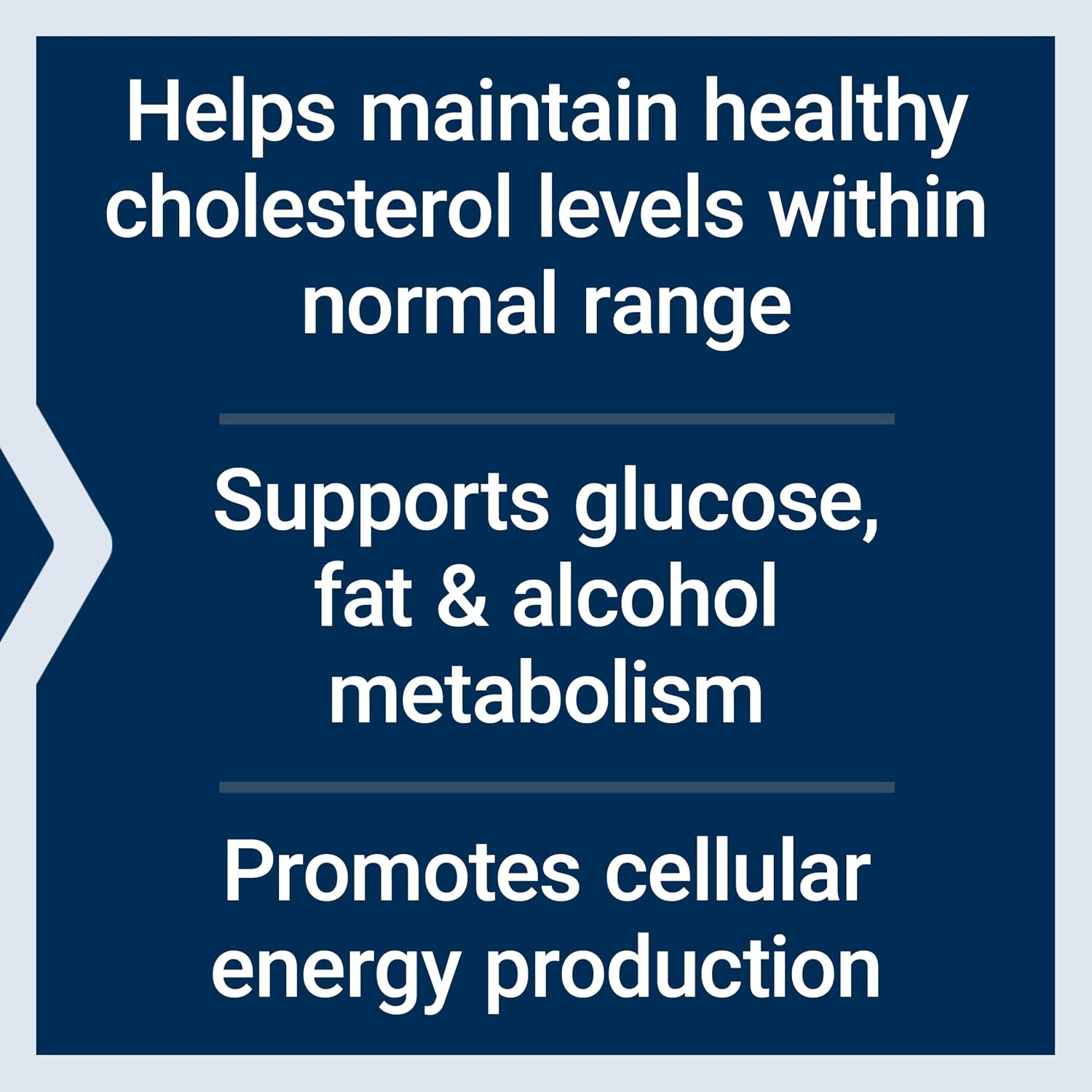
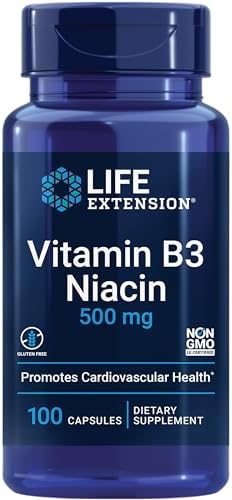
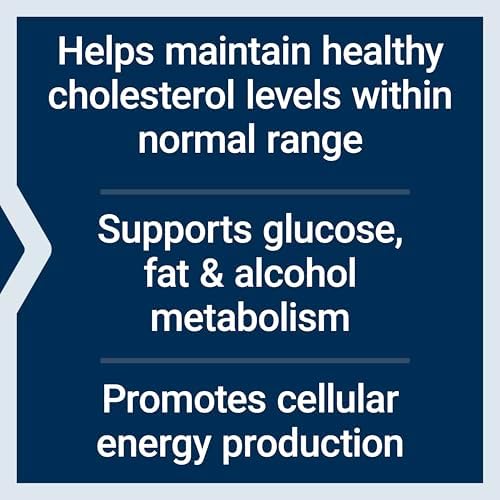
| Product Benefits | Helps maintain already-healthy cholesterol levels, Promotes cellular energy production, Supports healthy metabolism of glucose, fat & alcohol |
| Age Range Description | Adult |
| Specific Uses For Product | Cholesterol Management |
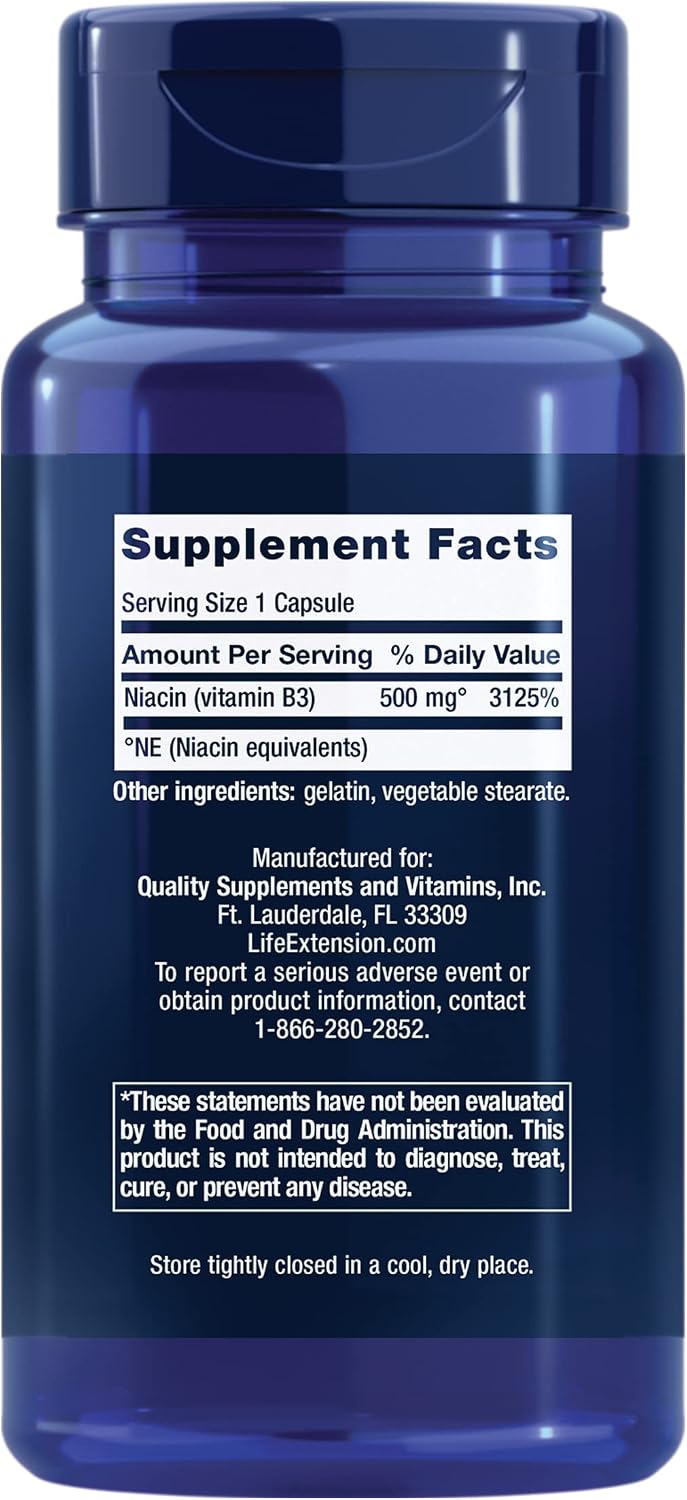
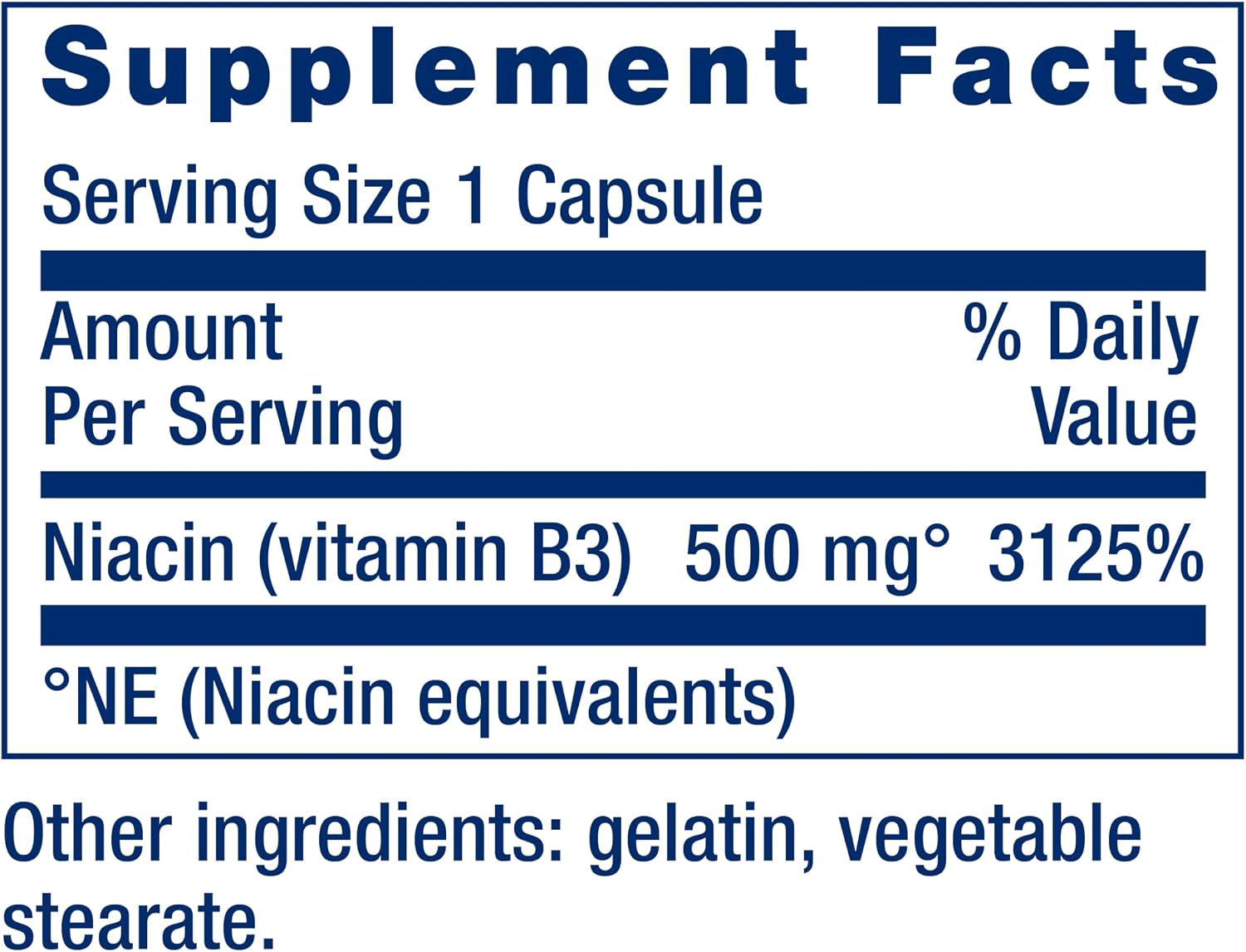
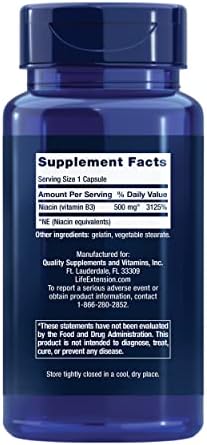
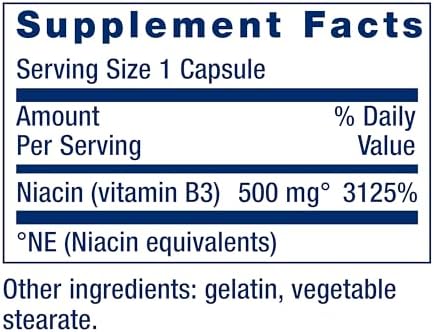
| Special Ingredients | Niacin (vitamin B3) |
| Number of Items | 1 |
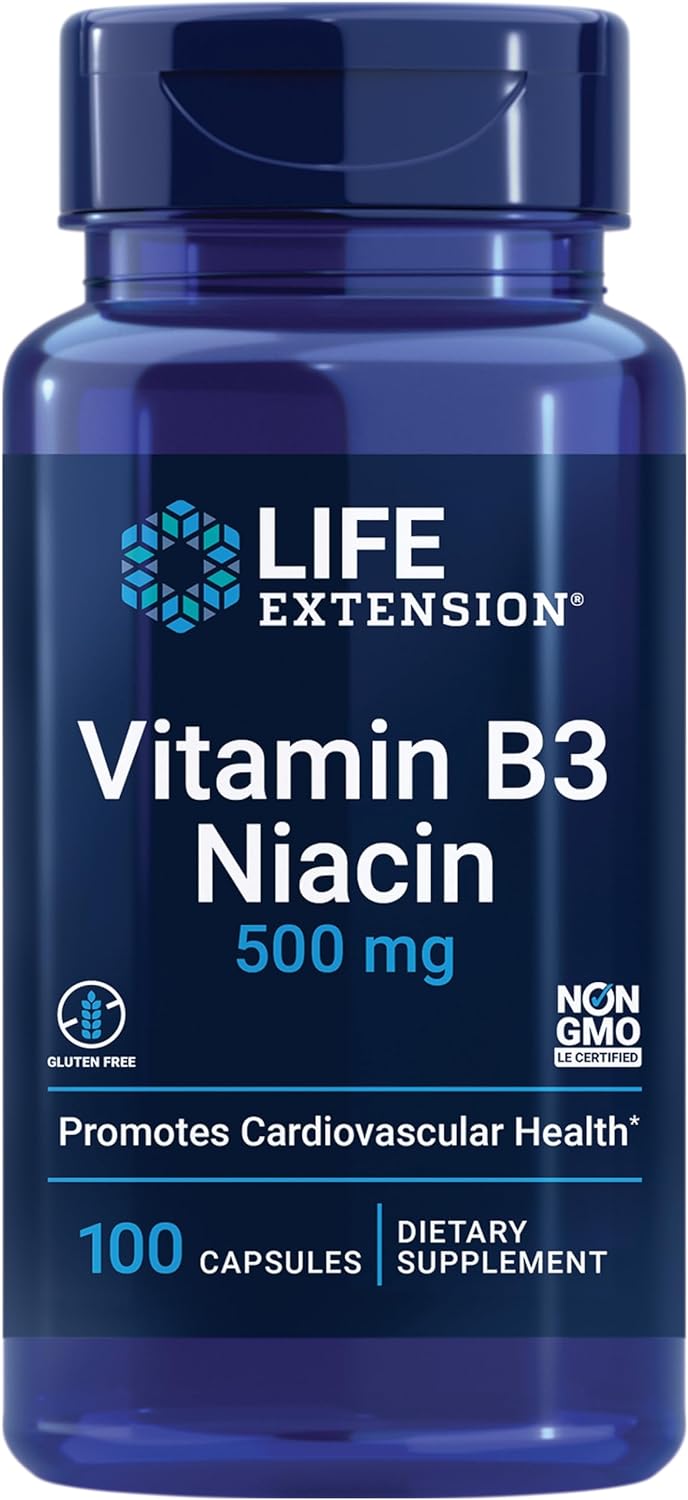
| Model Name | Vitamin B3 Niacin |
| Container Type | Bottle |
| Dosage Form | Capsule |
| Supplement Formulation | Individual Supplement |
| Global Trade Identification Number | 00737870372103 |
| UPC | 737870372103 |
| Manufacturer | Life Extenison |
| Model Number | 00372 |
| Manufacturer Part Number | 00372 |
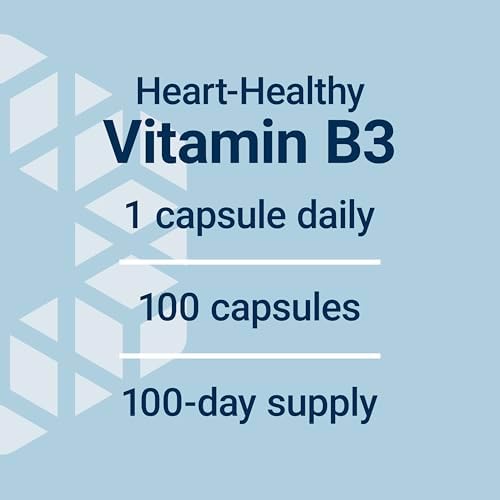
| Unit Count | 100 Count |
| Item Weight | 0.27 g |
| Item Dimensions | 2 x 2 x 3.75 inches |
| Allergen Information | Gluten Free |
| Color | White to Off White |
| Material Type Free | Gluten Free, Non-GMO |
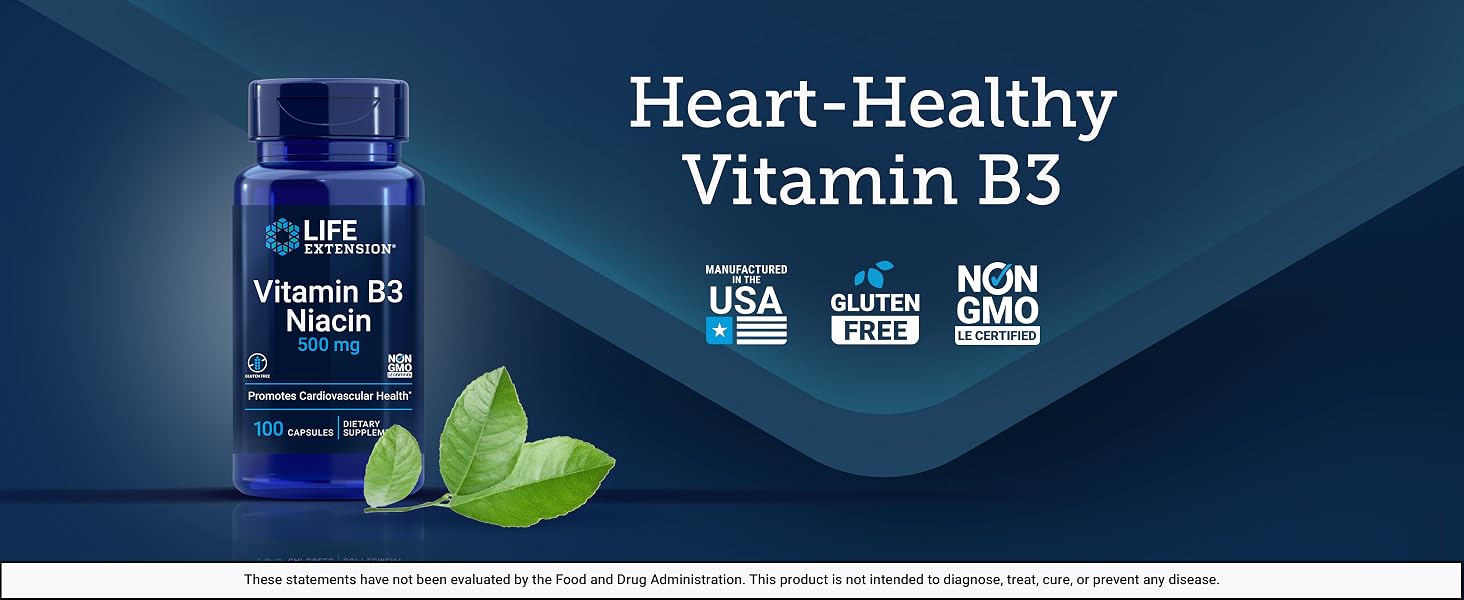
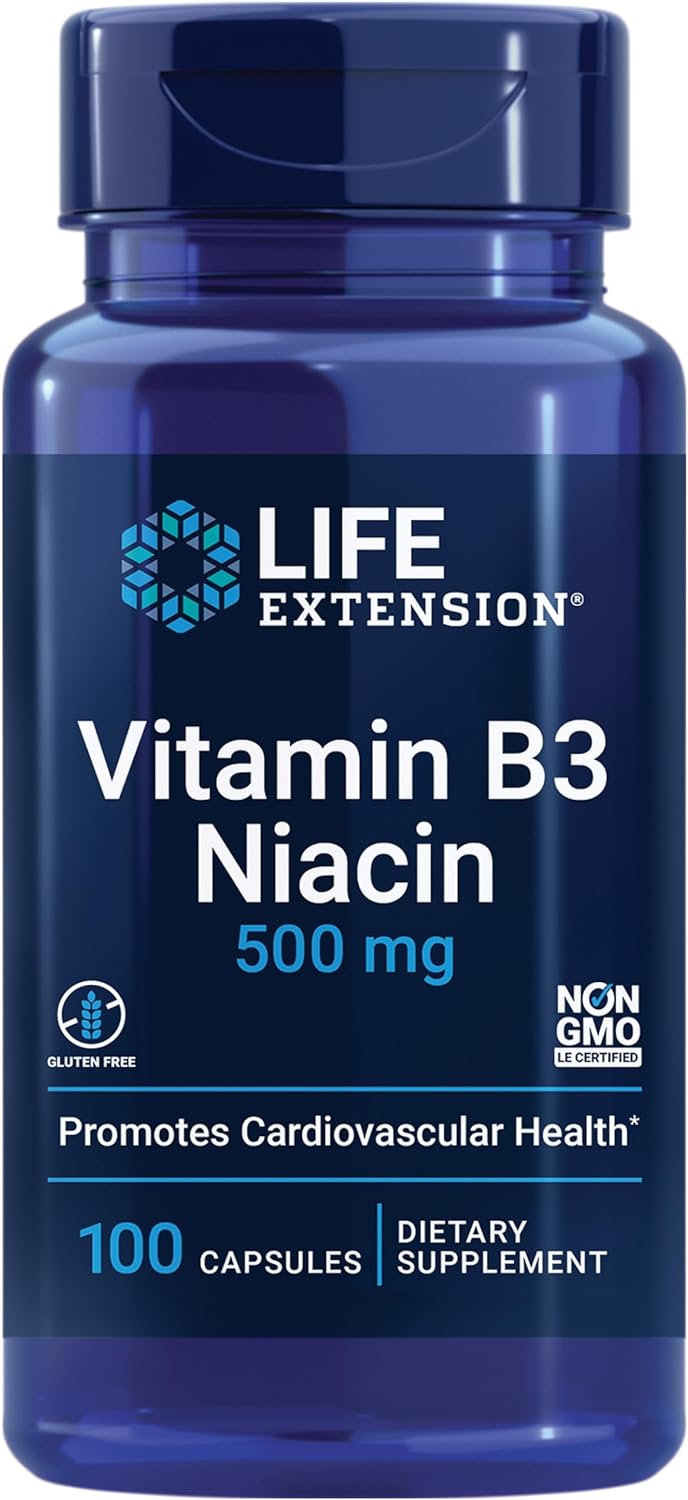
Vitamin B3 (niacin), the third vitamin to be discovered, is well-known for helping maintain already healthy cholesterol levels, a crucial part of supporting a healthy heart. But that’s not all: this B vitamin also supports glucose, fat and alcohol metabolism as well as cellular energy production.
Niacin is known to benefit blood lipids. It helps maintain healthy cholesterol levels already in normal range.
Vitamin B3 is required for the body to use fats and carbs from our diet. It supports the healthy metabolism of fats, glucose and alcohol.

Vitamin B3 niacin is also a critically important vitamin B coenzyme for supporting the metabolic pathways that generate cellular energy.
Niacin was the third B vitamin to be discovered in the 1950s and has been well-studied for its heart, energy and metabolism benefits.

What is vitamin B3 (niacin) good for?
Vitamin B3 (niacin) has been clinically studied to support your health in several ways: it promotes already-healthy cholesterol levels, healthy metabolism of glucose, fat and alcohol and supports cellular energy.
How does vitamin B3 (niacin) support already-healthy cholesterol levels?
Vitamin B3’s beneficial effects on blood lipids are what makes it so effective at supporting already-healthy cholesterol levels, an important part of maintaining overall heart health.
How much vitamin B3 do you need a day?
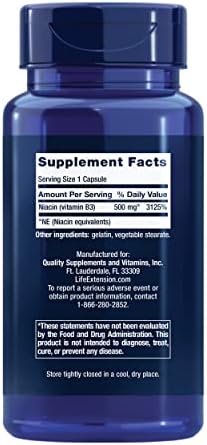
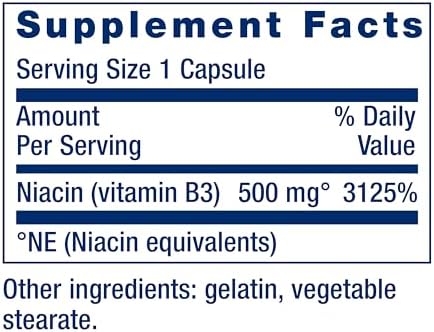
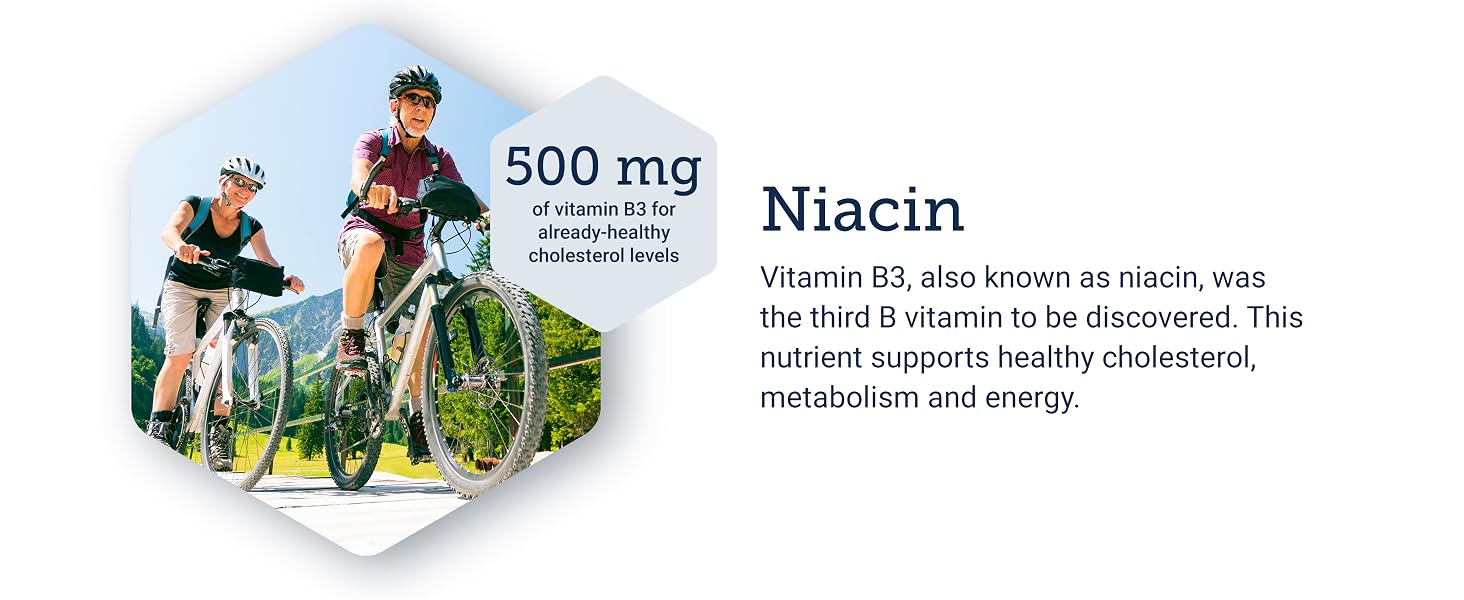
The RDA for vitamin B3 is 16 mg for men and 14 mg for women per day. However, you can take niacin at higher doses. 500 mg of niacin per day can support your healthy cholesterol levels.
Is it okay to take niacin every day?
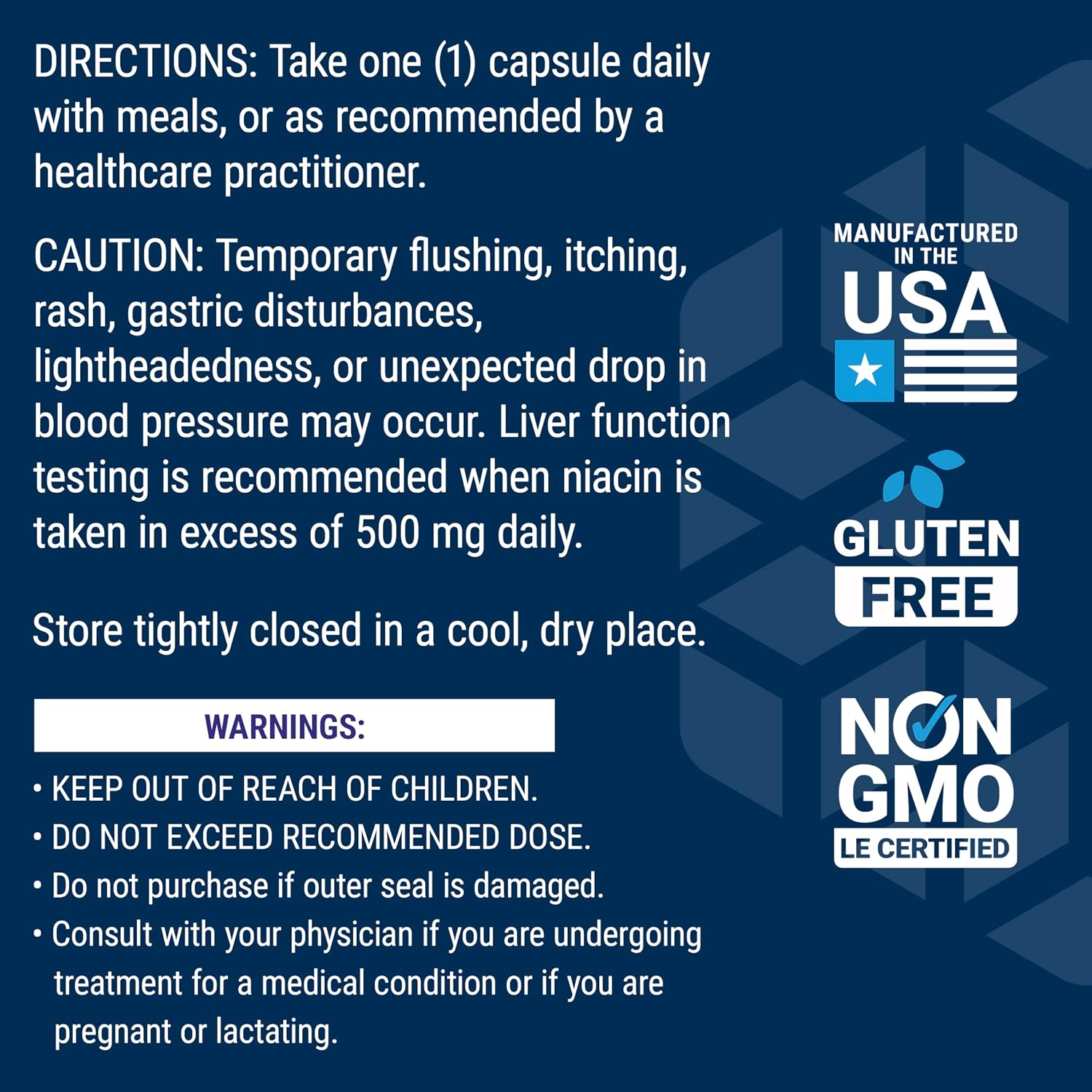
While you should always follow the instructions on any supplement label to help you guide dosing, it is generally considered okay to take niacin every day. Any concerns about daily use, be sure to discuss them with your primary care provider.
Which foods are rich in vitamin B3?
A major source of niacin comes from animal-based sources, including poultry like turkey and chicken as well as fish and beef. Plant-based sources like nuts, seeds, legumes and soy are also rich in vitamin B3.
loading