


Free worldwide shipping
Free returns
Carbon neutral
Secure payments
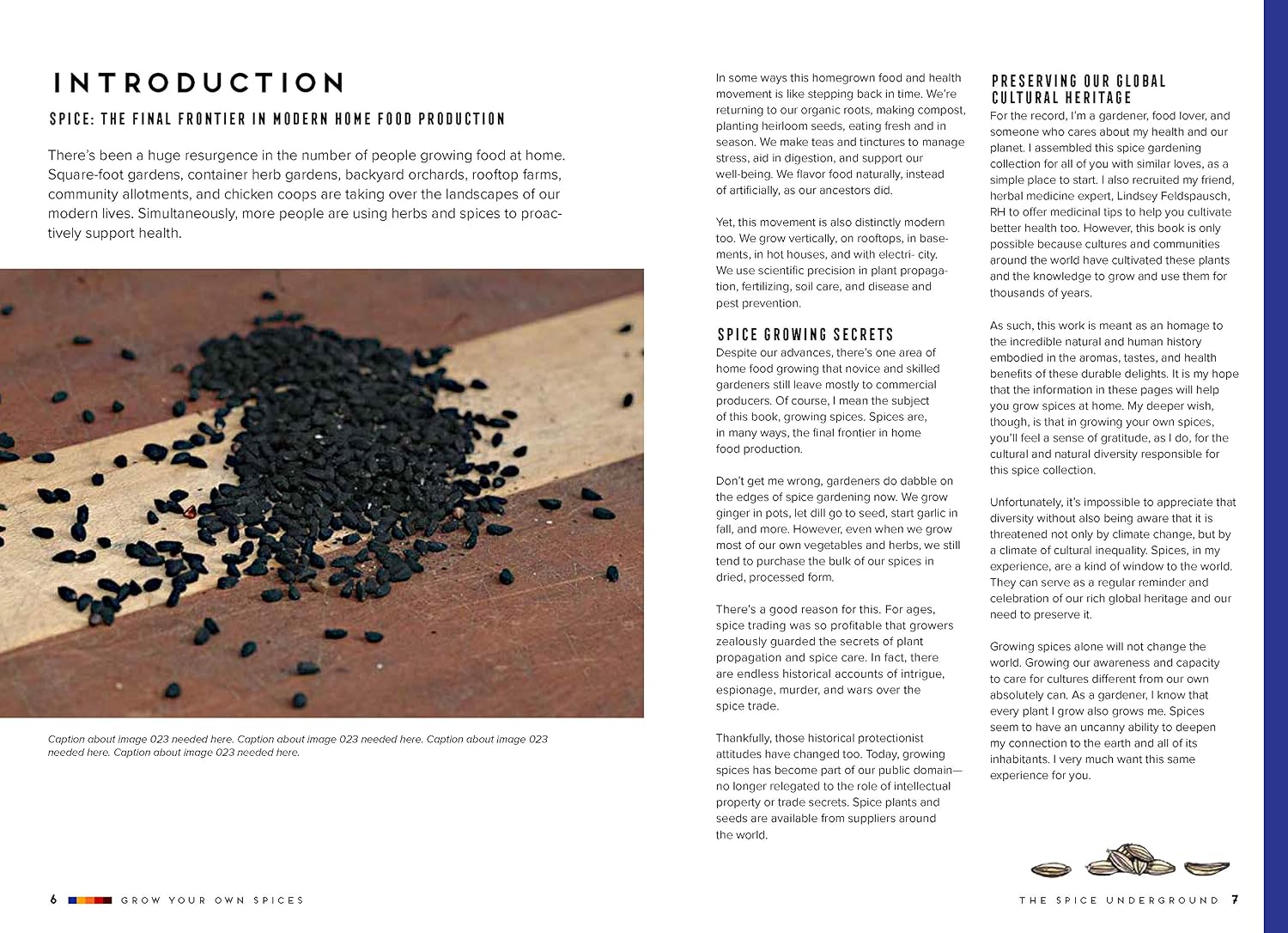
Seeds are the foundation upon which agriculture was built. If our ancient hunter-gatherer ancestors hadn’t realized that seeds could be cultivated for food production and storage, early farming communities would never have existed. Seed cultivation allowed humans to shift their energy from foraging activities to technological innovation. So growing spices from seeds is the perfect place to begin our journey.
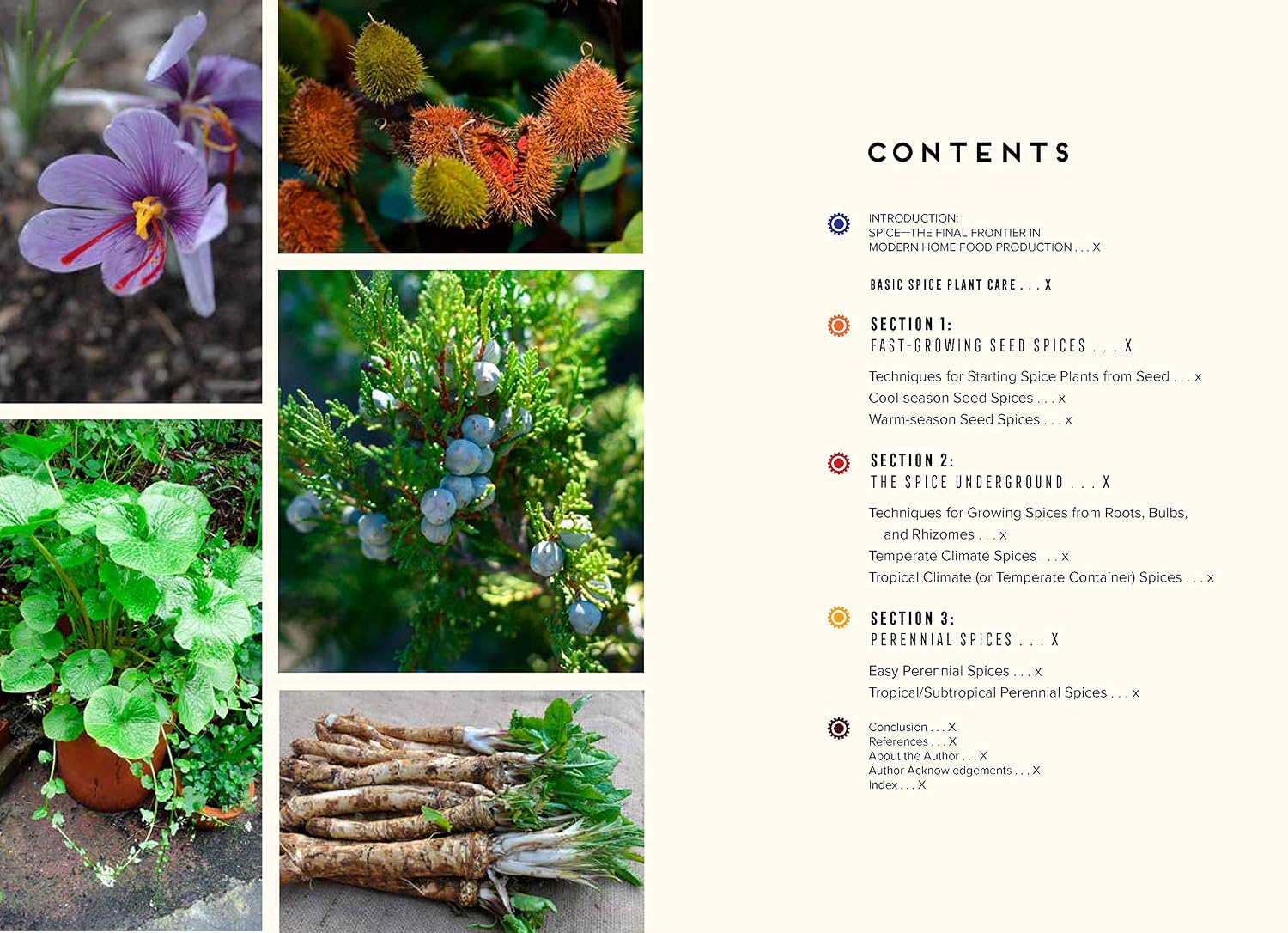
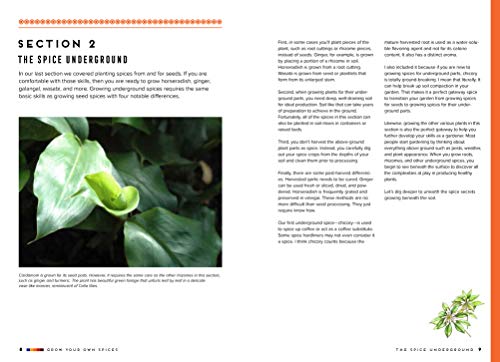
In the previous section we covered planting spices from and for seeds. If you are comfortable with those skills, then you are ready to grow horseradish, ginger, galangal, wasabi, and more. Growing underground spices requires the same basic skills as growing seed spices with four notable differences.
Growing a perennial plant, particularly one not adapted to your climate, is much like pre-industrial spice exploration. You’ll spend several years of your life in pursuit of something that may or may not bear the fruit you expect.
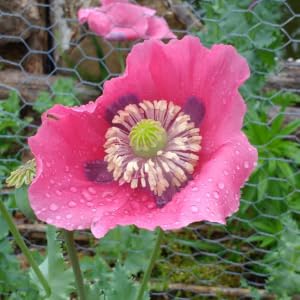
I have to warn you—in some places growing poppies is illegal or at least controversial. The poppy varieties that produce edible seeds also make opium. Opium is used in prescription pharmaceuticals and illegal drug production. It’s at the heart of our global opioid epidemic.
Unfortunately, in some troubled parts of the world, growing illicit poppies is the only way small farmers survive. It’s troubling to think about the global disparities in freedom of choice. Yet it’s very important to acknowledge that they exist, as doing so leads to greater compassion.
I grow poppies to remind me there’s more to the story than seen in media glimpses or vacations.
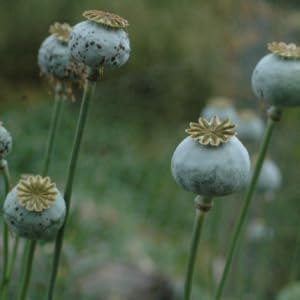
Incidentally, corn poppies (Papaver rhoeas), cousin to breadseed poppies, appeared in war fields near WWI mass cemeteries in Belgium. The scene of endless red poppies emerging in that disturbed soil was so moving, it inspired poetry, and of wearing red poppies as a sign of remembrance.
I can’t advise you on the legality of growing seed poppies. However, many poppy laws factor in a gardener’s intent when growing them. If your reasons are beauty, seeds, and as a meditation to open your heart to greater understanding of other cultures—unless law enforcement has reason to doubt your integrity—there’s a good chance you can grow them legally.
Harvest poppy pods when they are fully colored but before the vents open if you don’t want any accidental seeding. Clip the stems well below the pods, collect multiple stems together with a rubber band, and set inside a paper bag to finish drying.
loading