
Free worldwide shipping
Free returns
Carbon neutral
Secure payments
| UPC | 782247377687 610370080207 |
|---|---|
| Unit Count | 128 Fluid Ounces |
| Number of Items | 1 |
| Manufacturer | Foundation Armor |
| Model | L30001GAL |
| Part Number | L30001GAL |
| Material Type | Lithium Silicate |
| Item Weight | 10 pounds |
| Item Dimensions | 14 x 5 x 12 inches |
| Water Resistance Level | Water Resistant |
| Item Form | Liquid |
| Compatible Material | Concrete |
| Style Name | Compact |
| Color | Clear |
| Surface Recommendation | Floor |
| Material | Lithium Silicate |
| Style | Compact |
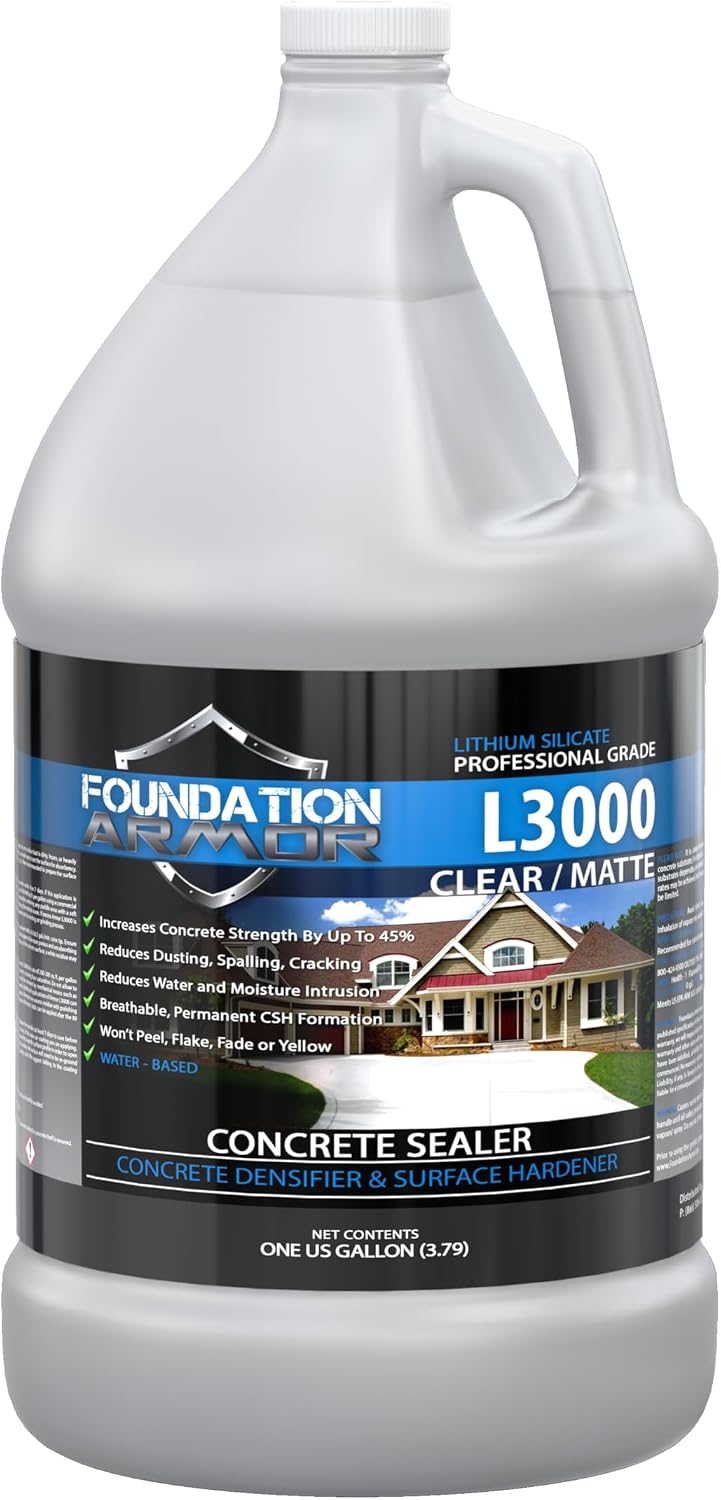
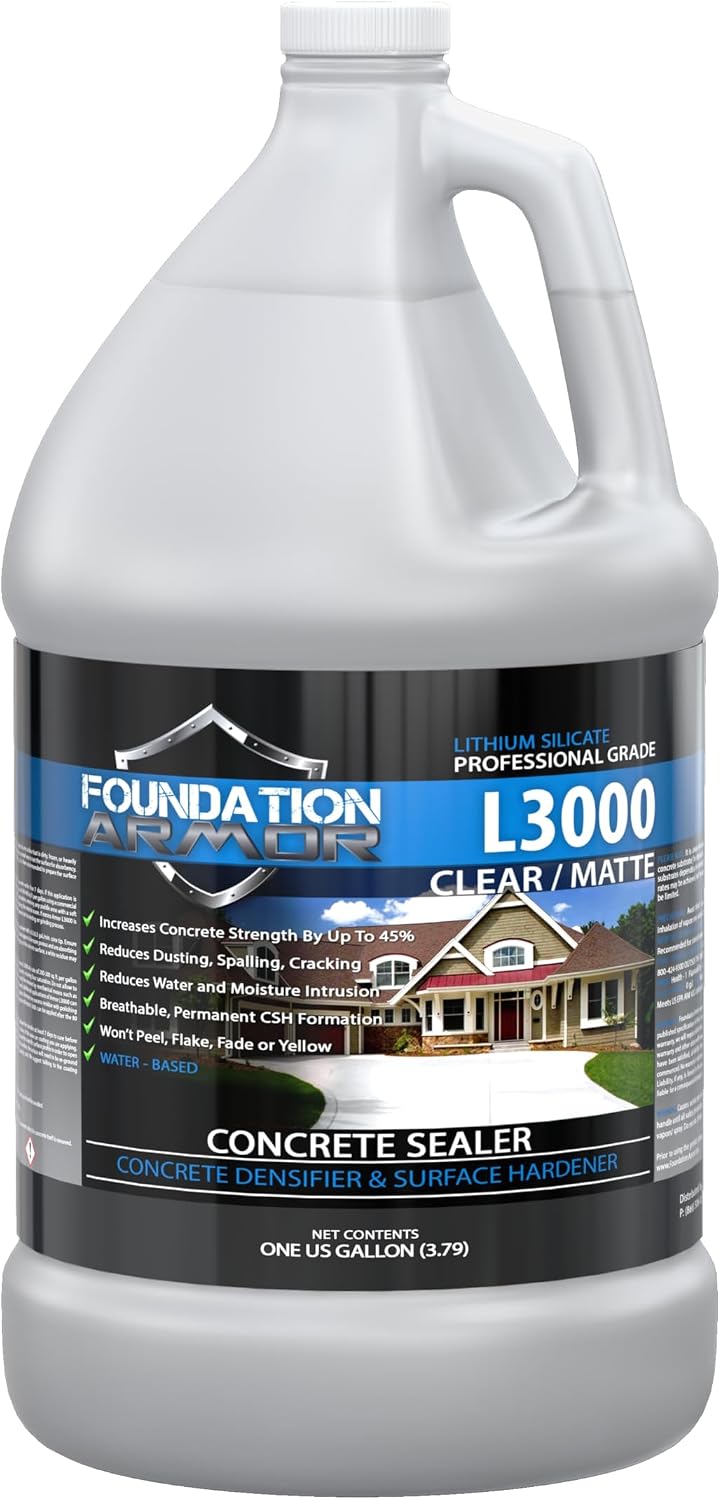
The Armor L3000 is a fast-acting lithium silicate concrete densifier and surface hardener. It chemically reacts with the free lime and calcium in the concrete to form a permanent calcium silicate hydrate (CSH) structure within the pores. The CSH formed can increase the strength and density of the concrete by up to 45%.
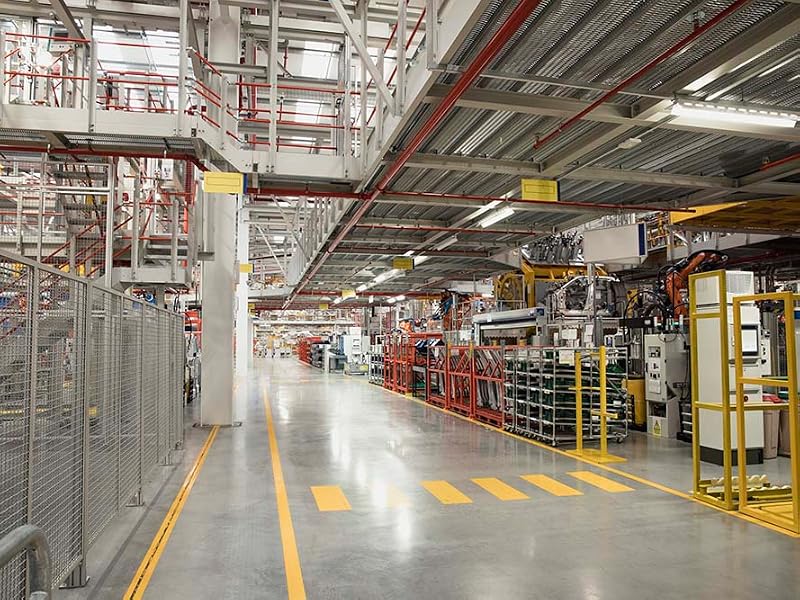
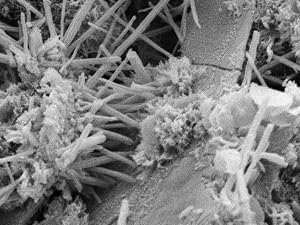
The permanent CSH structure formed in the pores can increase the strength and dusting by up to 45%. The CSH structure formed is permanent!

By increasing the strength and density of the concrete, concrete dusting caused by surface abrasion is also reduced.
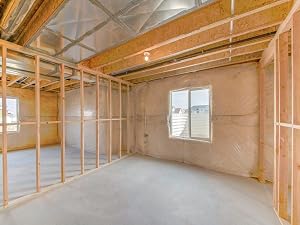
By increasing the density of the concrete, the movement of subsurface water and moisture is also reduced.
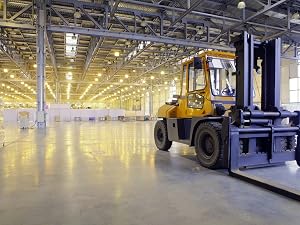
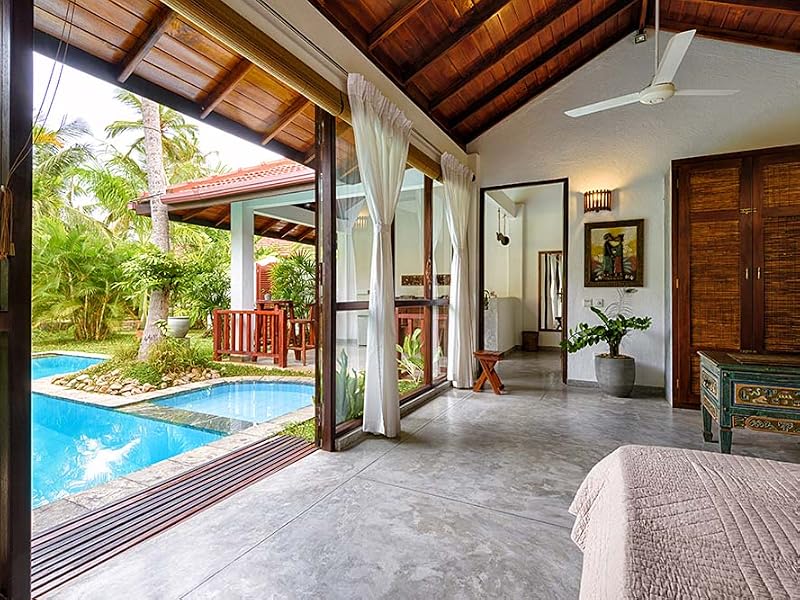
When used as part of the polishing process, will increase the strength, density, and shine of the concrete making for a stronger, more durable finish.

By restricting pore size, the movement of efflorescence through the pores of the concrete can also be reduced.
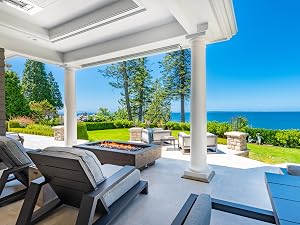
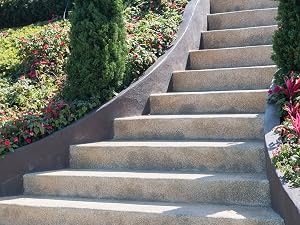
By increasing the strength and density of the concrete, cracking from weak concrete can also be reduced.
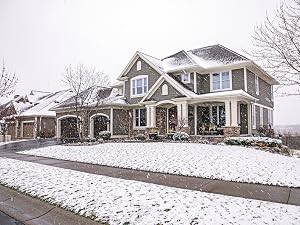
By increasing the strength and density of the concrete, damage caused by salt damage is also reduced.
When applied 7+ days before a water repellent sealer, like the SX5000 WB, your concrete will have protection above and below the surface.
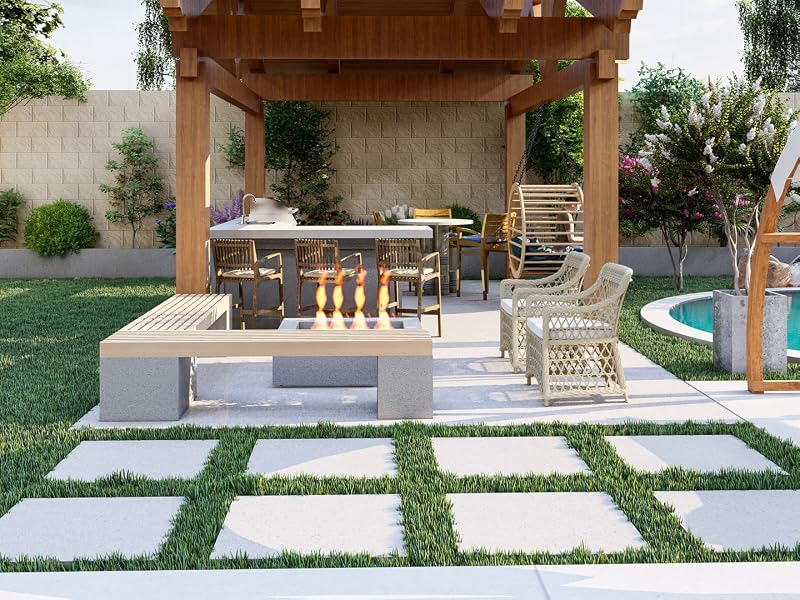
The Armor L3000 can be used on a variety of unsealed concrete surfaces including:
Please note, the Armor S2000 is designed specifically for use on unsealed poured concrete only.
Preparation
Protect all people, property, and plants in case splash and wind drift could occur. Do not apply to any surface that is dirty, frozen, or heavily saturated or flooded with water. Surface must be clean and free of all debris, dry, and absorbent. Mist water in a small area to test the surface for absorbency. Any surface to be treated should uniformly wet out. If the surface to be treated does not wet out uniformly, it is then recommended to prepare the surface mechanically to remove any remaining surface contaminants.
Application
New (Uncured) Concrete: It is not traditionally recommended to apply Armor L3000 to concrete earlier than 7 days. If this application is necessary, ensure the removal of all soft cut saw debris prior to application. Apply after final troweling at a rate of 300-400 sq. ft. per gallon using a commercial grade pump sprayer with a 0.3-0.5 gal./min. cone tip, lint free mop, or soft bristle push broom. Ensure floor saturation, removing any puddle areas with a soft bristle push broom or mop. Apply more Armor L3000 to areas that appear to be more porous and are absorbing the material more. If excess Armor L3000 is allowed to dry on the concrete surface, a white residue may form and can only be removed by mechanical means such as sanding or grinding process.
Existing Concrete: Apply at a rate of 200-300 sq. ft. per gallon using a commercial grade pump sprayer with a 0.3-0.5 gal./min. cone tip. Ensure floor saturation, removing any puddle areas with a soft bristle push broom. Apply more Armor L3000 to areas that appear to be more porous and are absorbing the material more. Rework any excess material with a soft bristle broom. If excess Armor L3000 is allowed to dry on the concrete surface, a white residue may form and can only be removed by mechanical means such as sanding or grinding process.
Polished Concrete: After completing the 400 grit stage of polishing, apply a uniform coat of Armor L3000 at a rate of 200-300 sq. ft. per gallon using a commercial grade pump sprayer with a 0.3-0.5 gal./min. cone tip, lint free mop, or soft bristle push broom, ensuring floor saturation. Do not allow to puddle. If excess Armor L3000 is allowed to dry on the concrete surface, a white residue may form and can only be removed by mechanical means such as sanding or grinding process. Follow through with additional polishing steps until desired appearance is achieved. Additional applications of Armor L3000 can be added at any stage before the final polishing phase is done if necessary at a rate of 200-300 sq. ft. per gallon. Remove any excess residue with polishing diamonds or polishing pads. Flushing with water is not necessary. Note: For softer concrete an initial application of Armor L3000 can be applied after the 80 grit stage prior to the standard polishing steps to achieve a harder surface.
Clean-Up
Use warm water and soap. Dispose of containers in accordance with local and federal regulations.
Product Removal
Once the Calcium Silicate Structure (CSH) has hardened within the pores it can not be removed unless the concrete itself is removed.
Porous Surfaces: One gallon will cover up to 175-200 FT2 in one coat.
Smooth Surfaces (once properly prepped): One gallon will cover up to 300-400 FT2 in one coat.
Coverage will vary depending on porosity, surface condition, application method, and the amount of material applied by the applicator. The above coverage rates are estimates and will vary.
loading