

Free worldwide shipping
Free returns
Carbon neutral
Secure payments
| UPC | 856255006201 |
|---|---|
| Color | Clear/Natural |
| Style | Penetrating Concrete Sealer |
| Material | Silane/Siloxane Blend |
| Item Form | Liquid |
| Style Name | Penetrating Concrete Sealer |
| Item Weight | 25 pounds |
| Part Number | 205-p |
| Manufacturer | Novion |
| Material Type | Silane/Siloxane Blend |
| Number of Items | 1 |
| Compatible Material | Concrete |
| Included Components | Concrete Sealer |
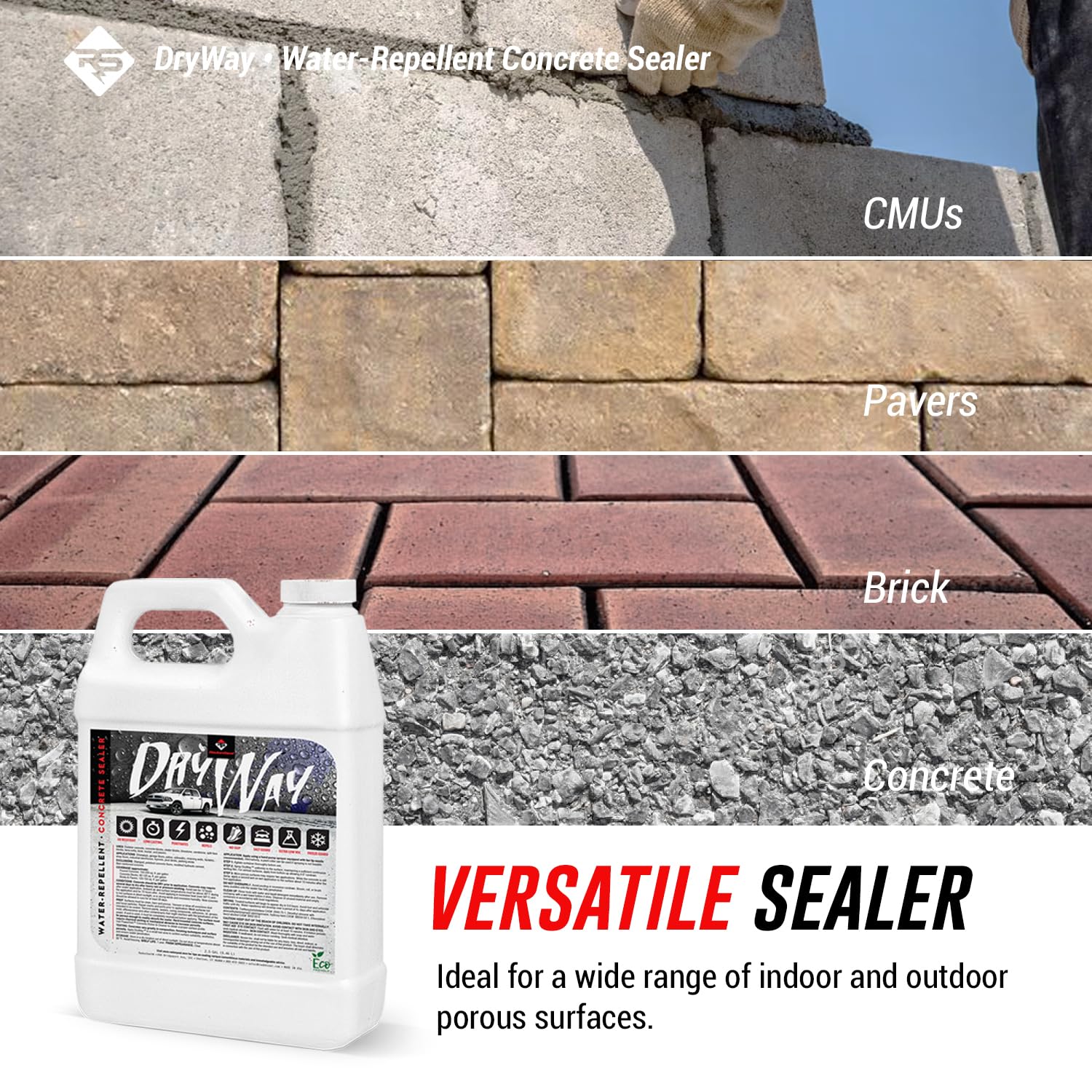
| Surface Recommendation | Concrete Driveways, Patios, Pavers, Sidewalks, Pool Decks |
| Water Resistance Level | Water Repellent |
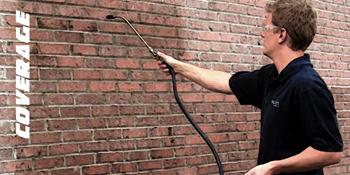
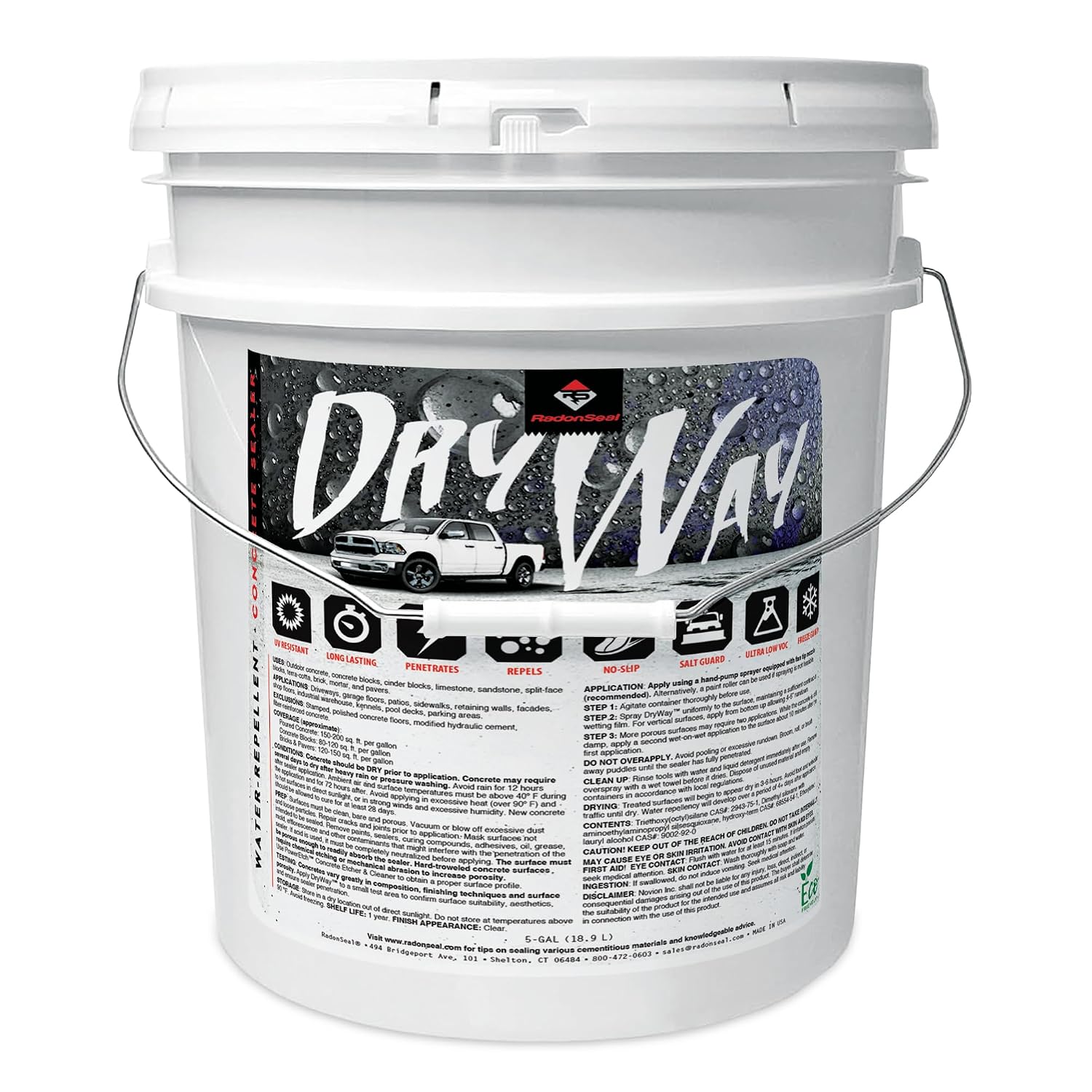
Poured Concrete: 150-200 sq. ft. per gal.
Concrete Blocks: 80-120 sq. ft. per gal.
Bricks & Pavers: 50-150 sq. ft. per gal.
Finish: Clear.
Drying: Treated surfaces will begin to appear dry in 3-6 hours. Avoid foot and vehicular traffic until dry. Water repellency will develop over a period of 4+ days after application.
Paintable: No.
Breathable: Yes (does not trap moisture).
Limitations: Stamped, polished concrete slabs, modified hydraulic cement, and fiber-reinforced concrete.
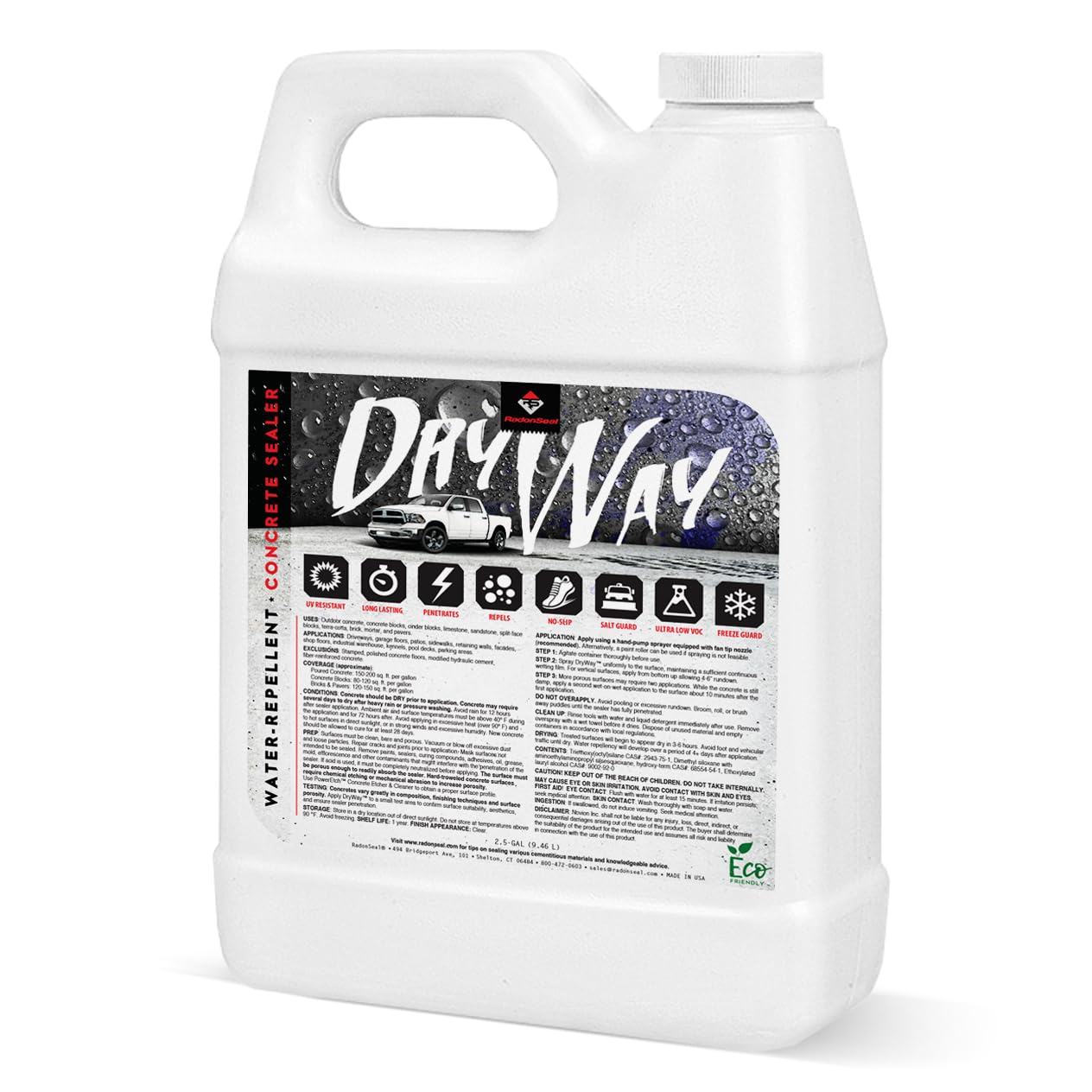
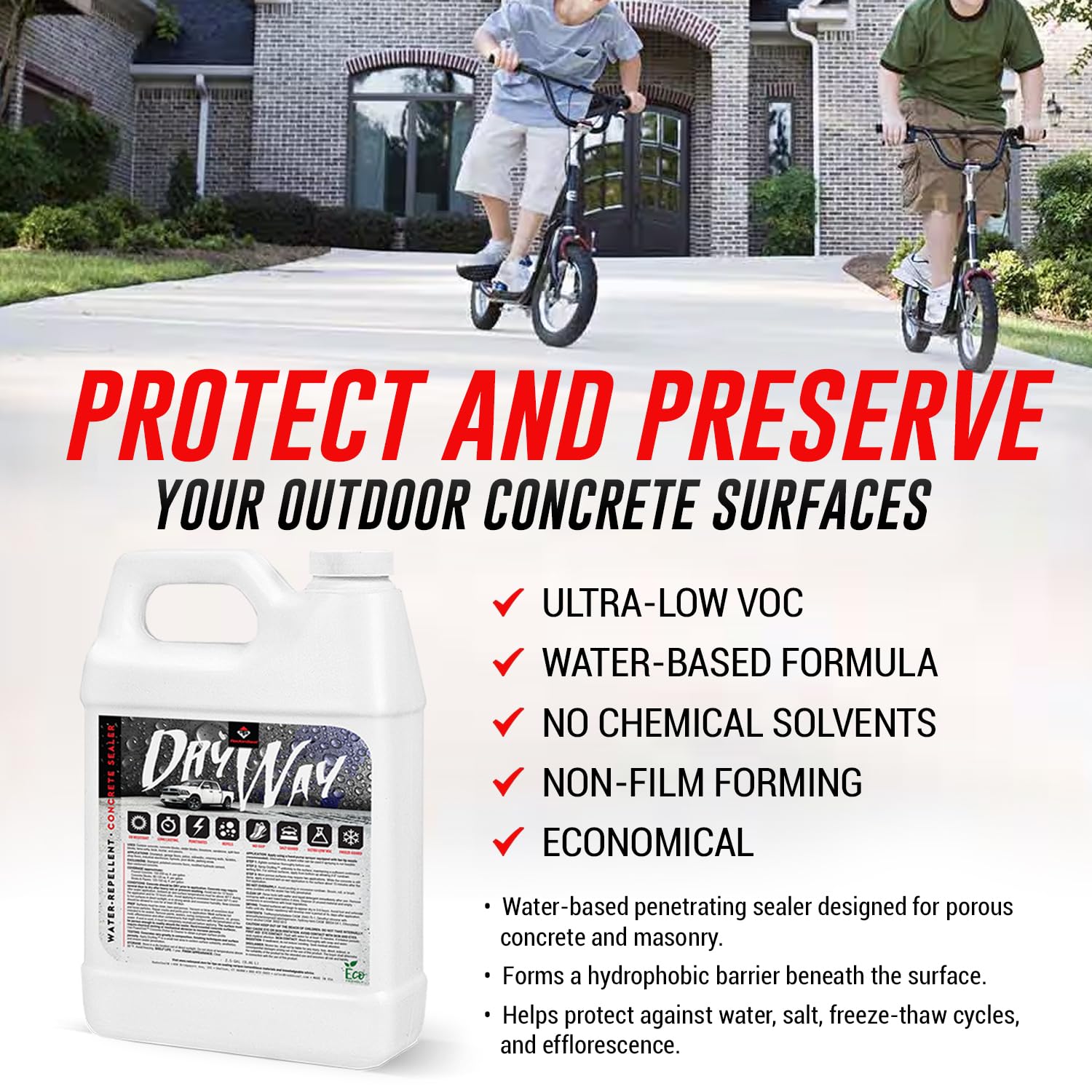
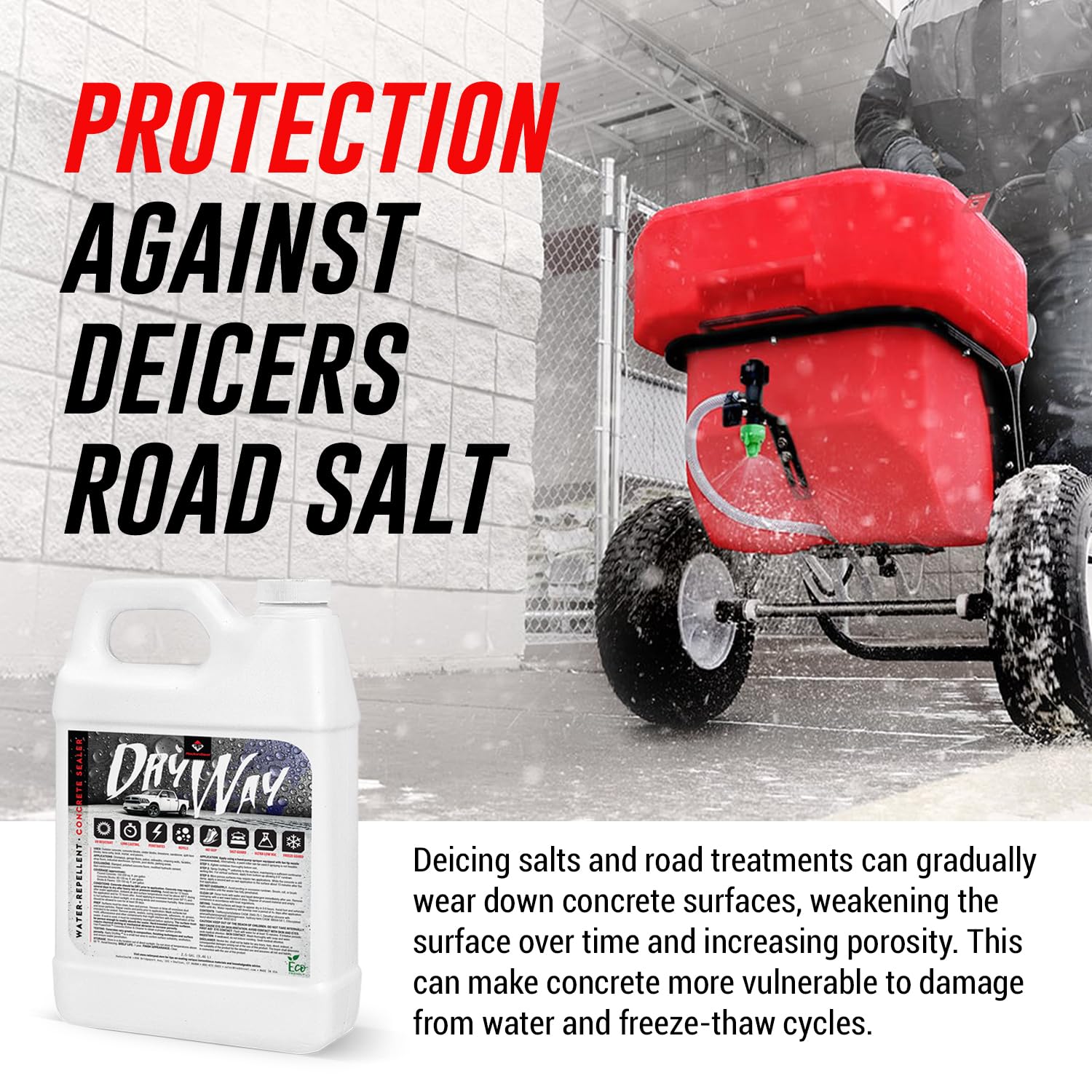
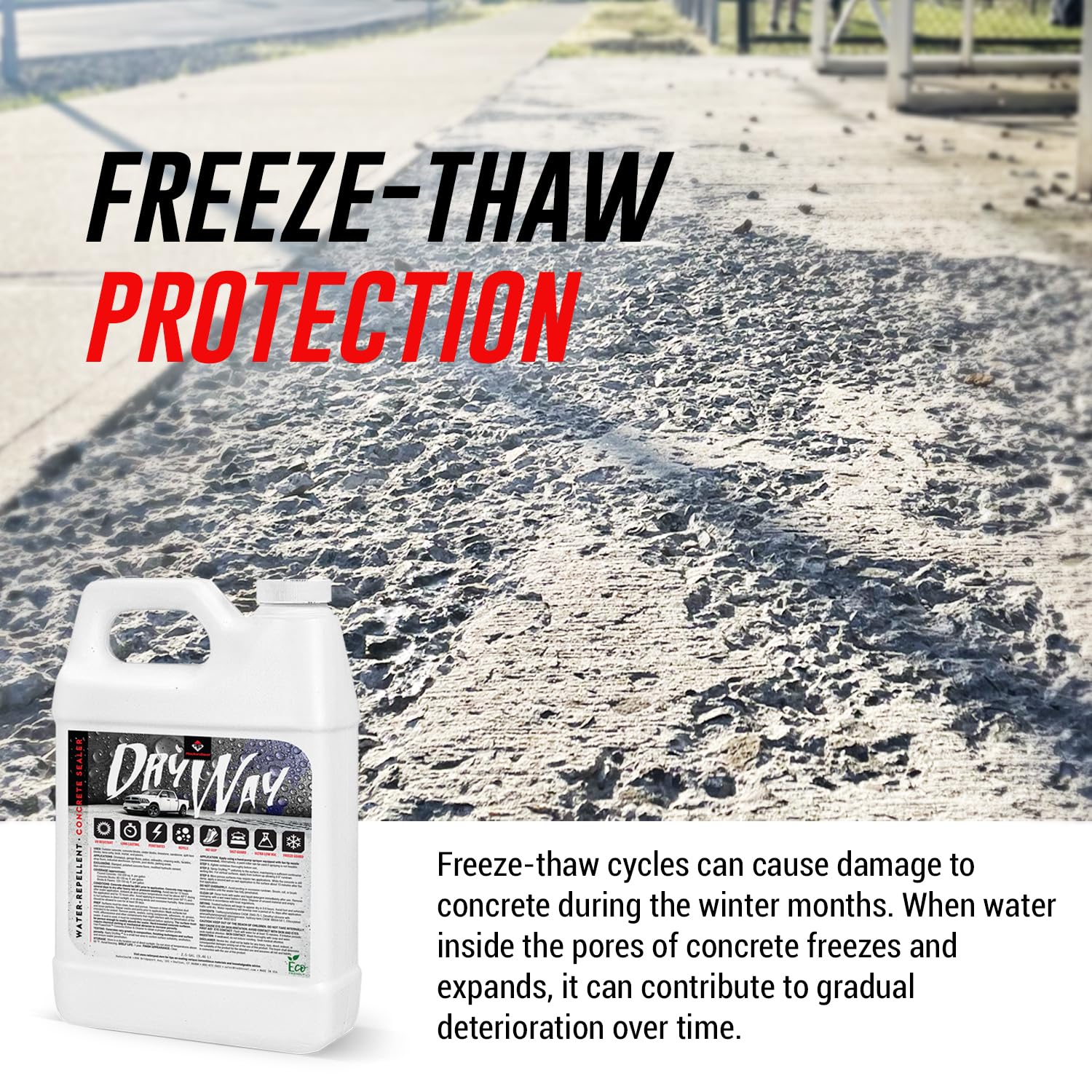
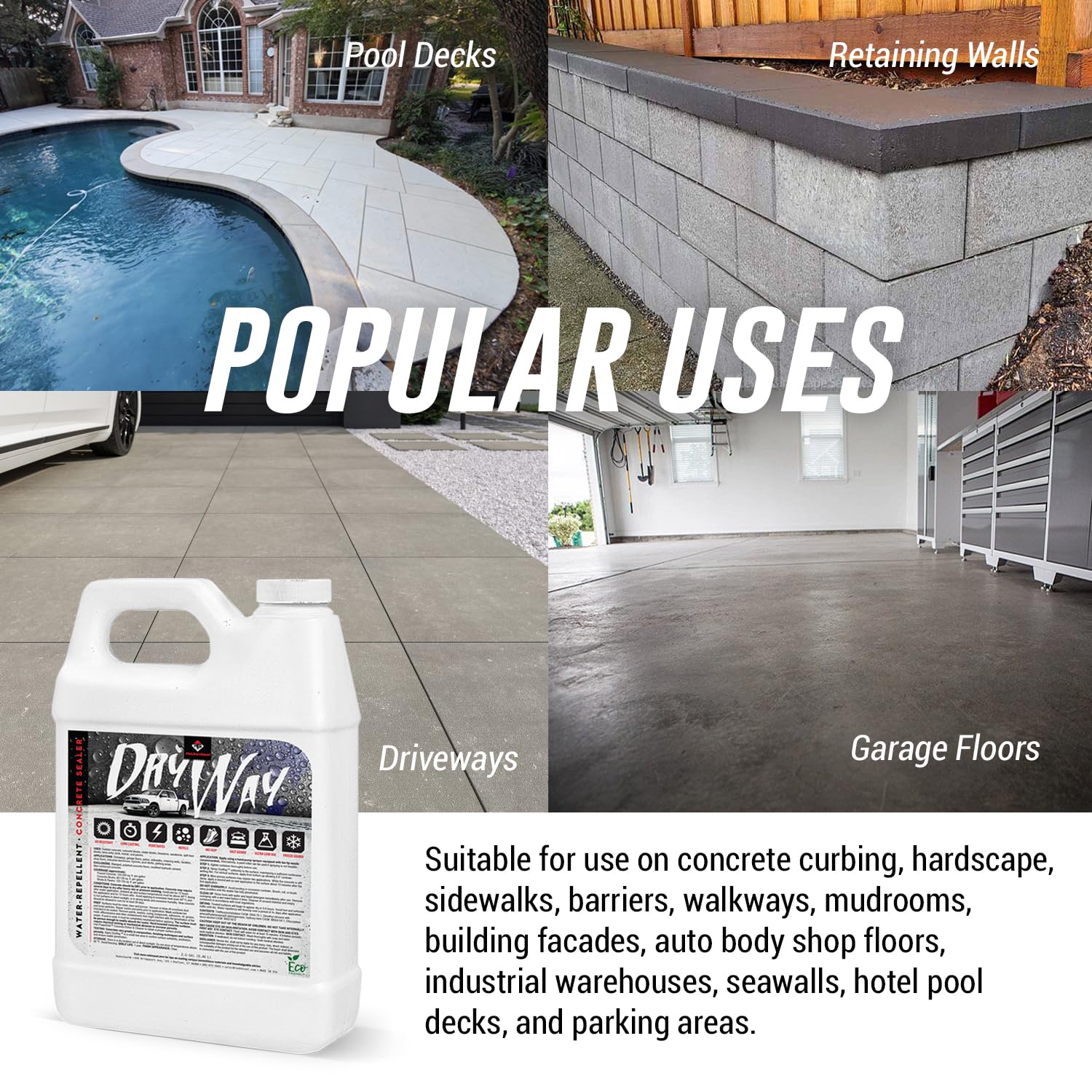
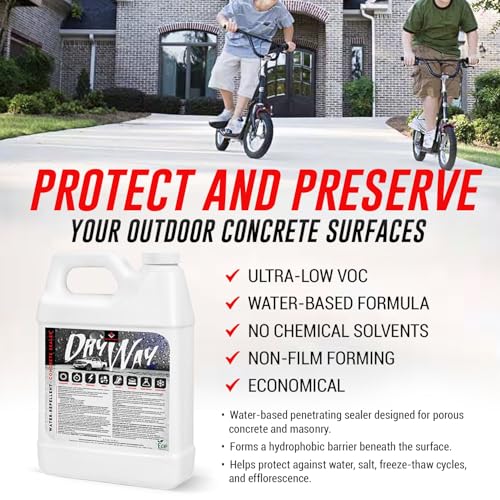
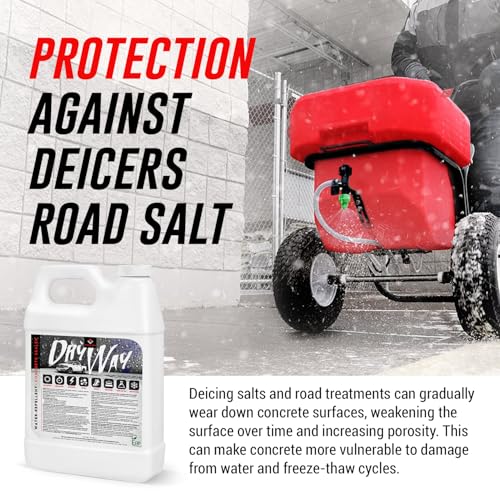
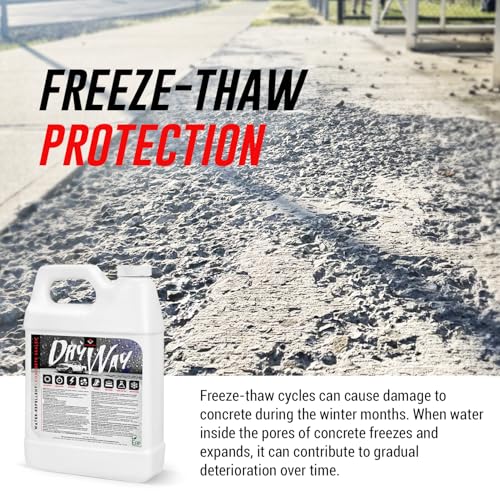
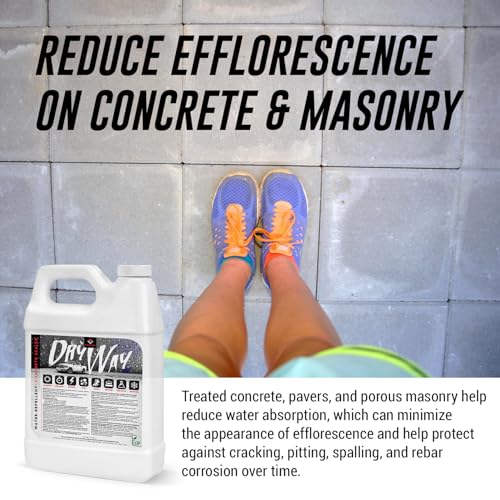
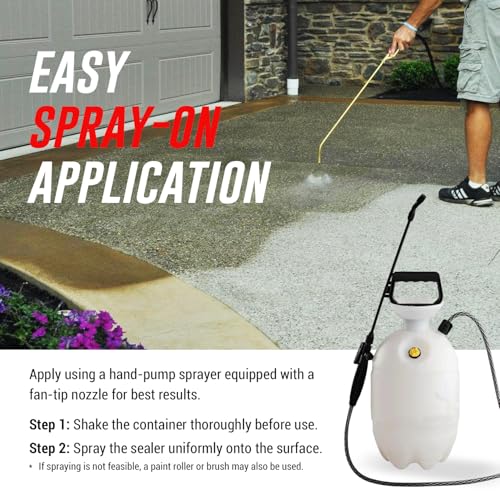
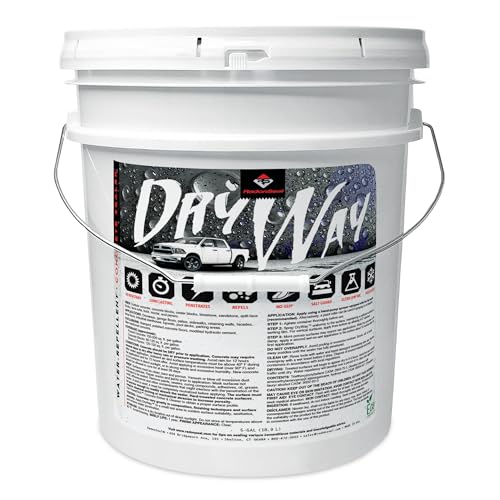
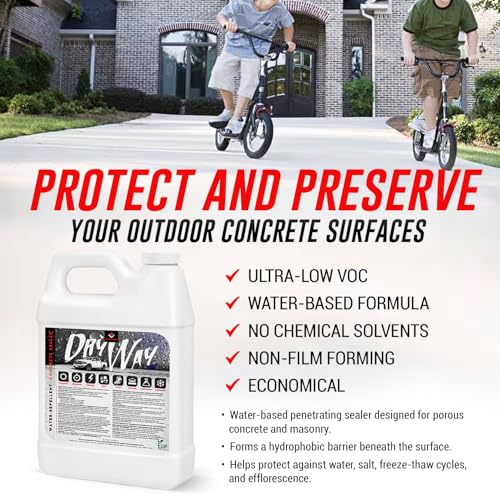
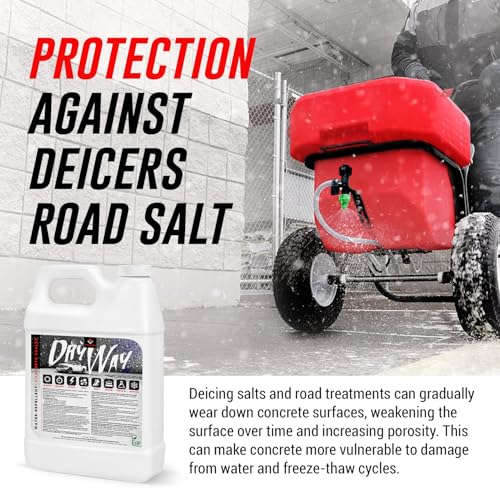
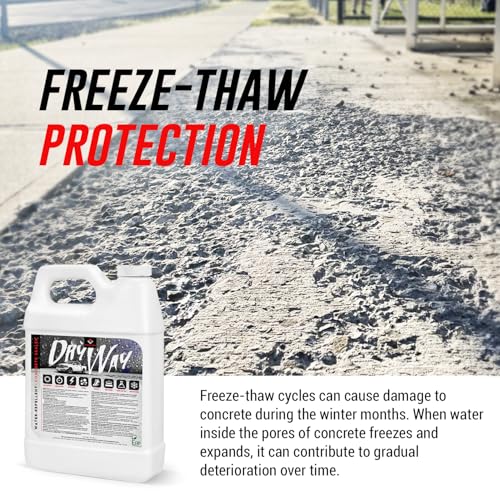
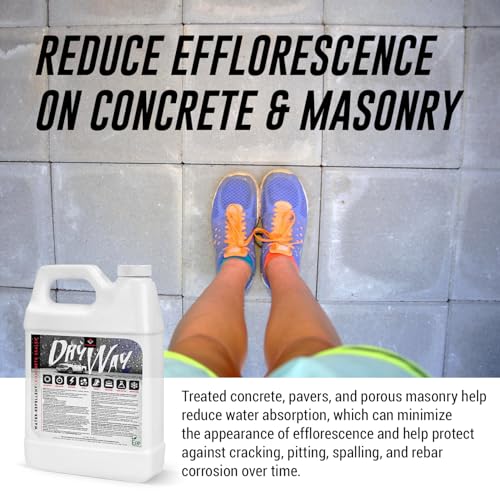
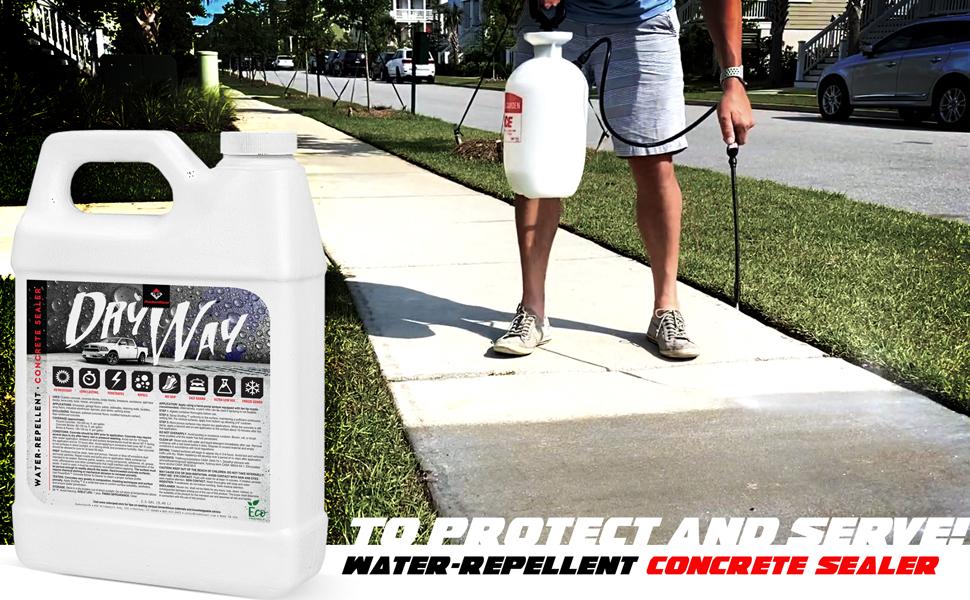
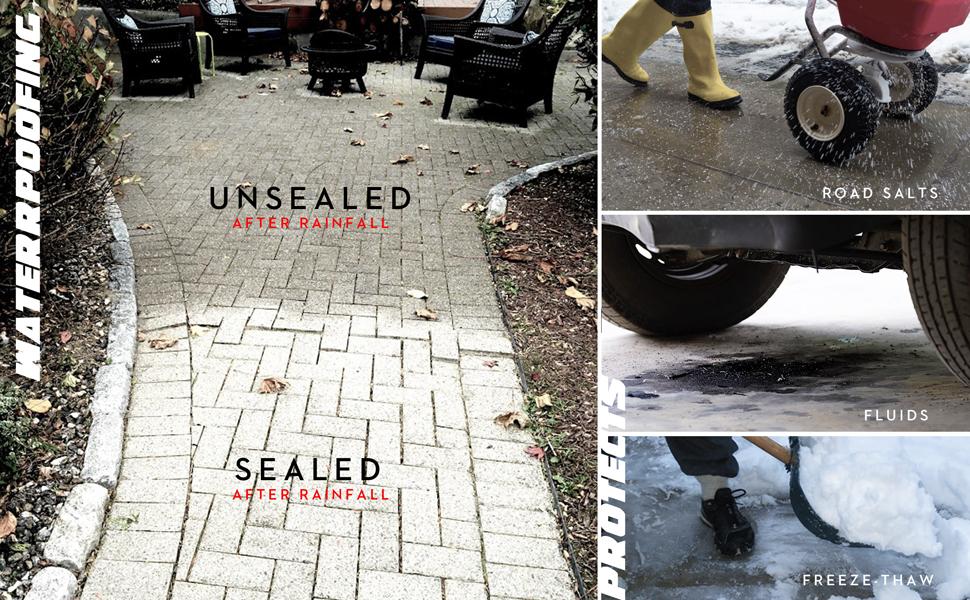
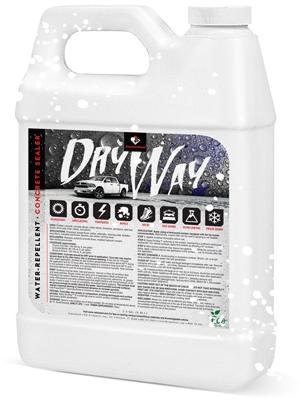
DryWay Concrete Sealer waterproofs and protects concrete driveways, sidewalks, garage floors, patios, bricks, pavers, and pool decks against water damage, chemical spills, road salts, and freeze-thaw.
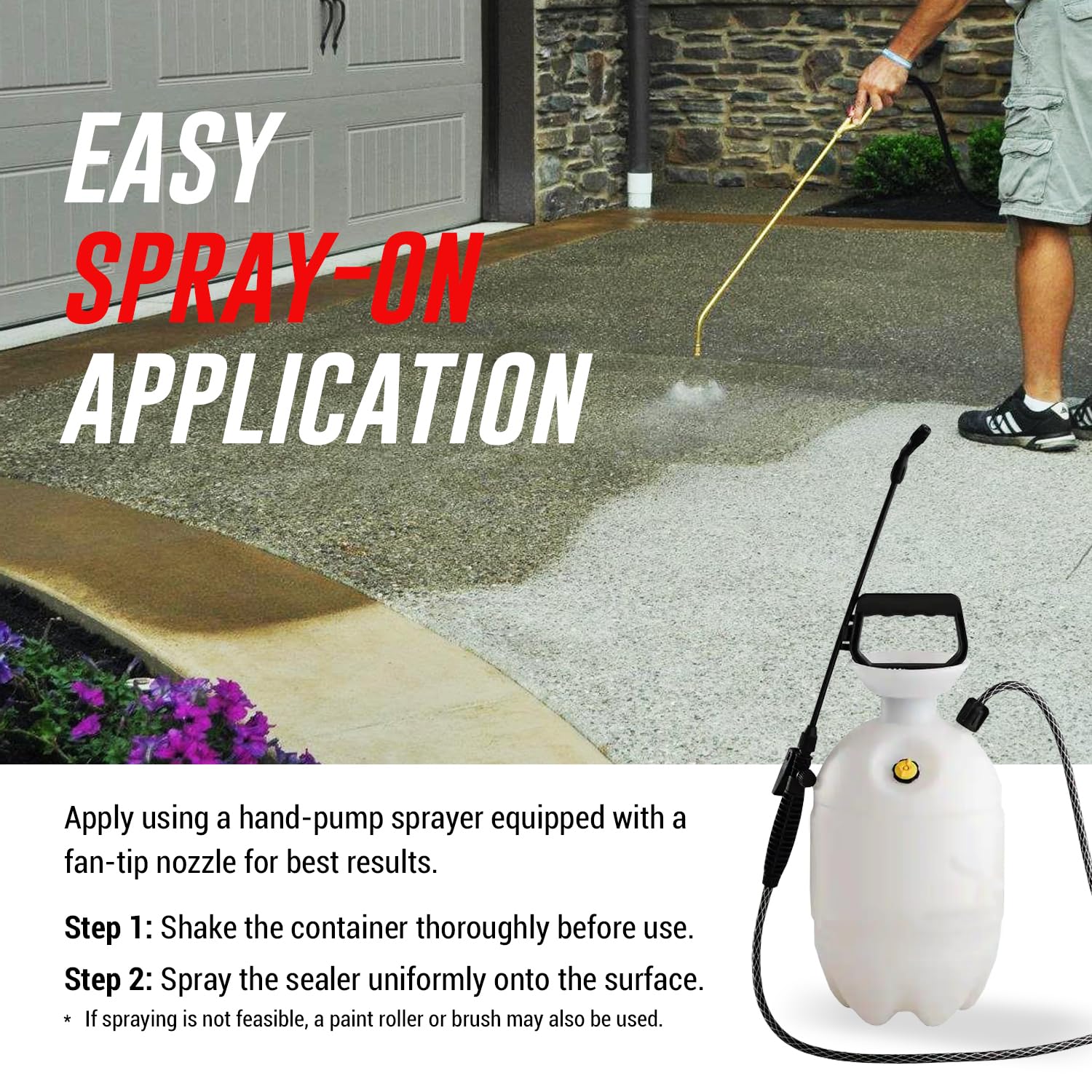
Forms a water-repellent barrier below the concrete surface. Seals against deep water penetration, allowing concrete to dry fast!
Will bead or shed surface water, vehicular fluids, and chemical spills. Improves yearly maintenance and lasts for years.
Does DryWay Bead Water? Most surfaces treated with DryWay will bead water, but beading depends greatly upon surface profile and finishing techniques. Surfaces with rougher, deeper finishes will more characteristically shed surface water, where beading could prove to be too difficult. Remember, DryWay is a penetrating sealer, not a topical sealer. Therefore "beading" is not a direct indicator that a penetrating sealer is working. Depending upon where a sealer is being used, beading is not always a desired trait in a sealer.
Can DryWay be Used Indoors? Absolutely! It is safe to use indoors and is often the choice of sealer for customers who use their garage for auto repair shops, workshops, mudrooms, and porches.
Can it be Used in Basements? It can be used for sealing basement concrete, but it is not the best choice of sealer against negative side water pressure. For sealing subterranean concrete, slab-on-grade, basement walls, and floors, RadonSeal Deep-Penetrating Concrete Sealer would be the better choice.
Can I Paint the Concrete after Applying DryWay? Not initially. You would have to wait several years for DryWay to wear down to apply paint to the surface. For as long as DryWay is working within your concrete, it will potentially inhibit the bond of paint.
Does it eliminate tannin stains? DryWay is a penetrating sealer. A penetrating sealer intends to not encapsulate the surface or change surface friction. The chemicals work below the surface. A tannin stain is a surface stain. Therefore, the sealer can help improve maintenance but not eliminate shadowing.
loading