




Free worldwide shipping
Free returns
Carbon neutral
Secure payments
| UPC | 850052432430 |
|---|---|
| Color | Clear |
| Model | AR350 - 5 GAL - 50 VOC |
| Style | Concrete Sealer |
| Material | Acrylic |
| Item Form | Liquid |
| Style Name | Concrete Sealer |
| Unit Count | 640 Fluid Ounces |
| Item Weight | 42 pounds |
| Part Number | AR3505GALLONAMAZON |
| Manufacturer | Foundation Armor |
| Material Type | Acrylic |
| Item Dimensions | 13 x 13 x 15 inches |
| Number of Items | 1 |
| Compatible Material | Concrete, Pavers |
| Surface Recommendation | concrete |
| Water Resistance Level | Water Resistant |
| Global Trade Identification Number | 00850052432430 |
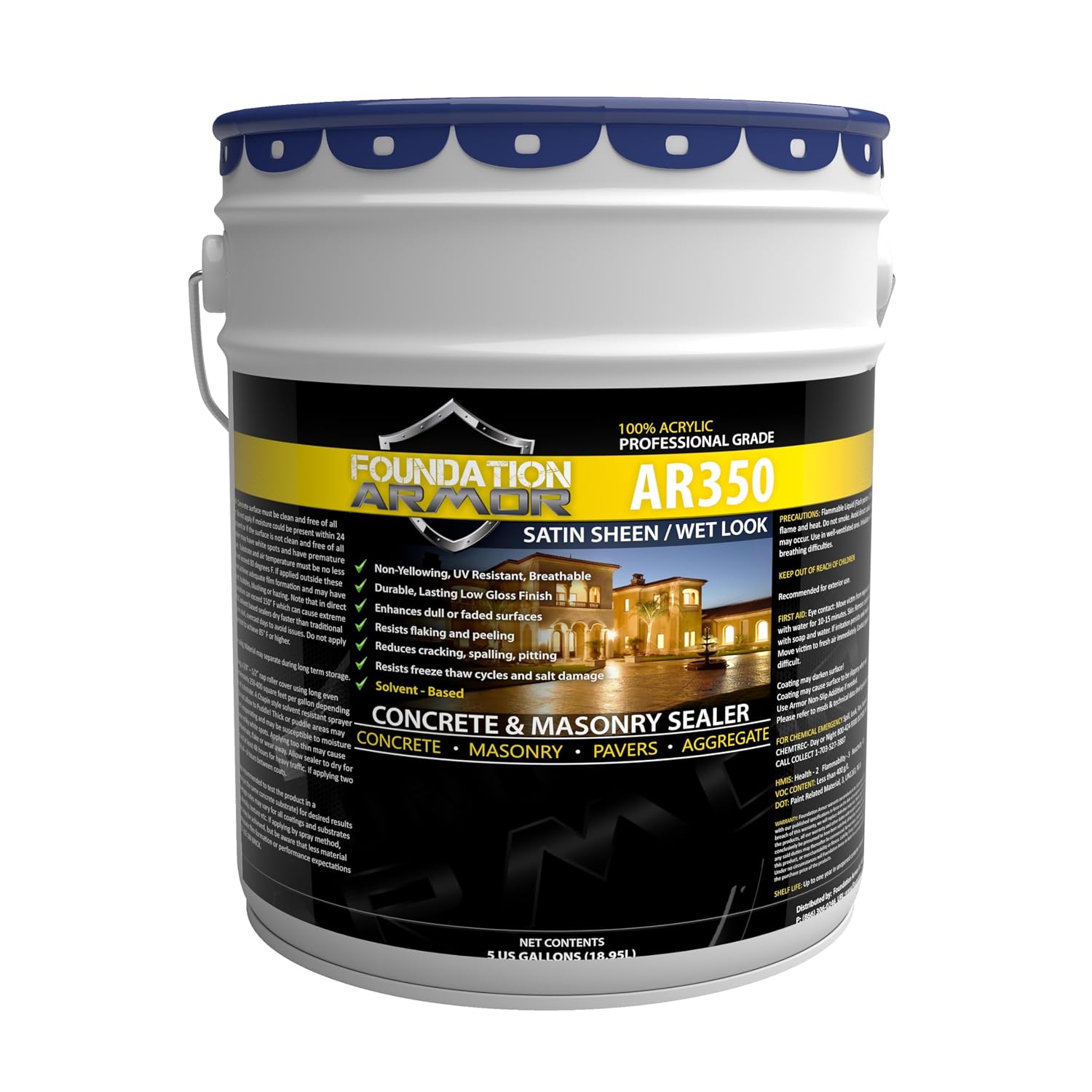
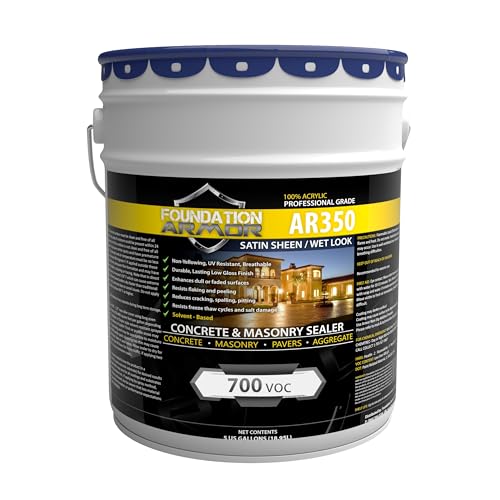
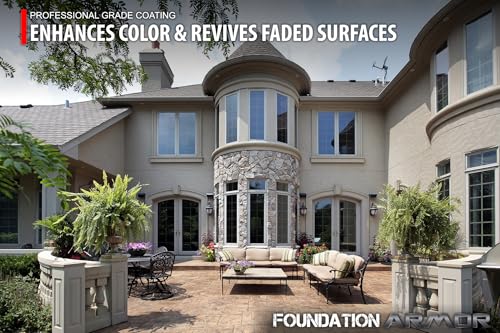
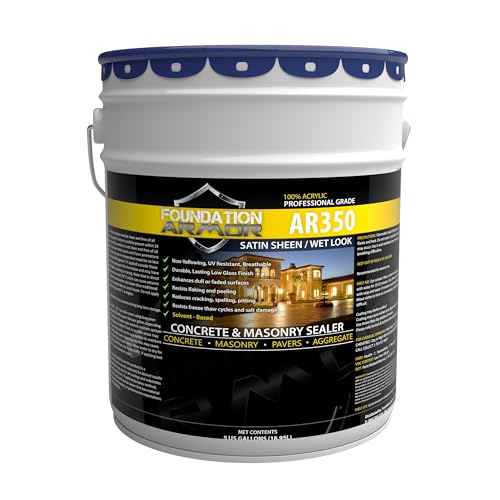
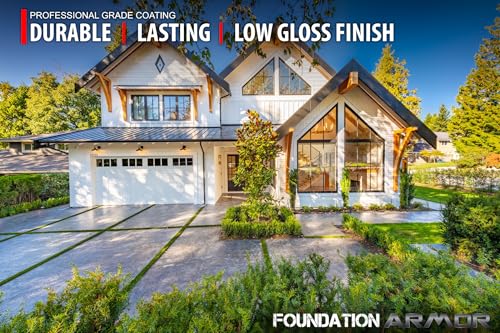
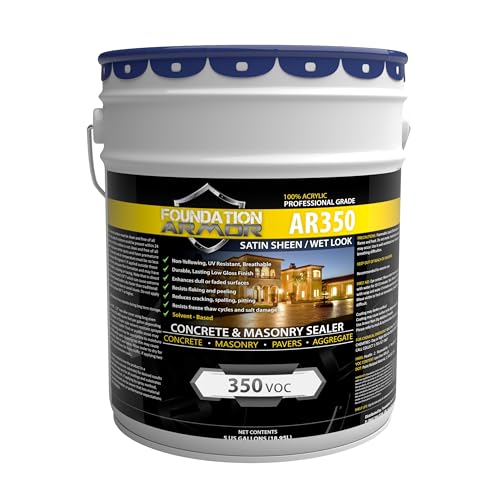
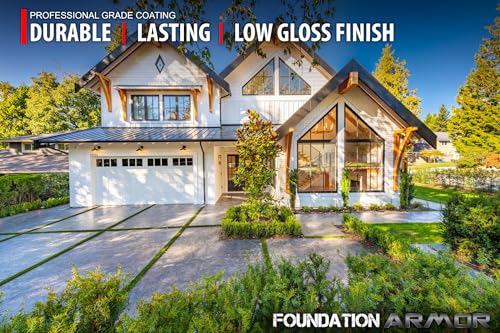
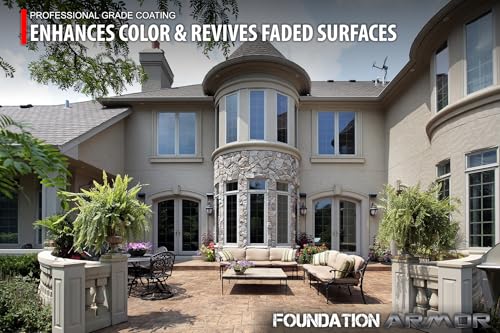
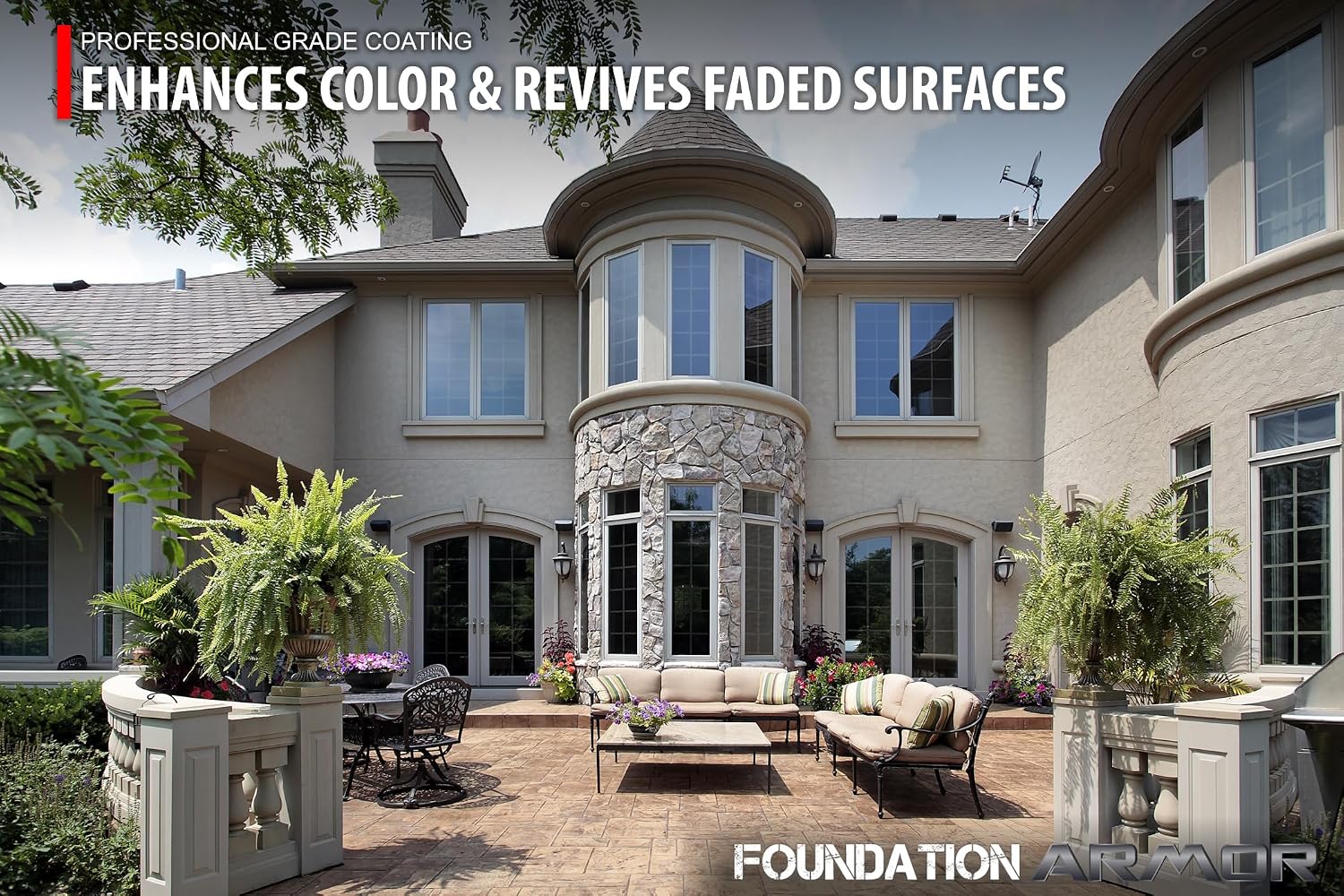
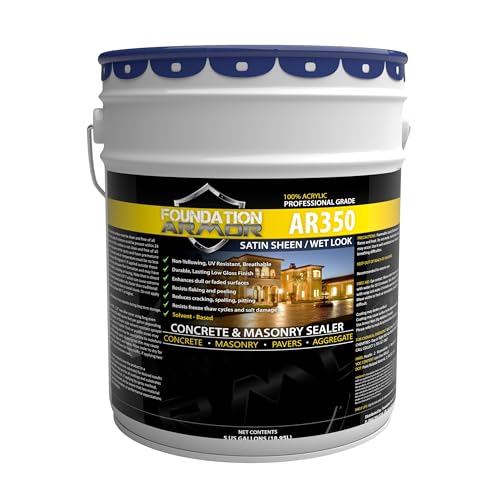
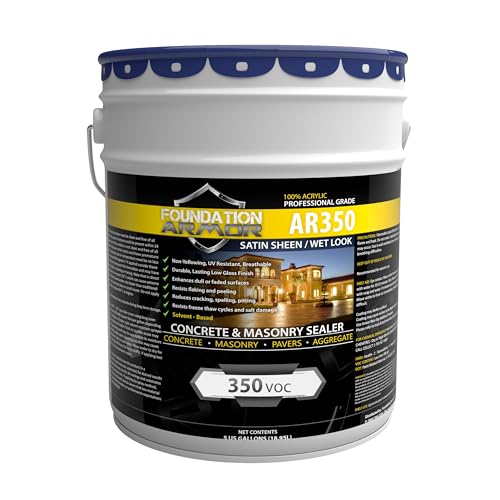
The Armor AR350 is a solvent based acrylic wet look sealer that is designed to seal, enhance, and protect a variety of exterior concrete and concrete paver surfaces. The Armor AR350 penetrates deep into the surface where it chemically bonds to the pores of the concrete and pavers, creating a long lasting, non-yellowing, breathable finish that enhances dull or faded surfaces by creating a darkened wet look, and low gloss finish.


The Armor AR350 won the Best Overall Product award in 2024 and 2025 for Best Paver Sealer, Best Driveway Sealer, and Best Concrete Sealer.
The Armor AR350 ships same-day Monday through Friday when placed before 4 PM EST. Orders placed on holidays or weekend ship the next business day.
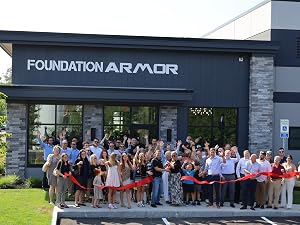
Foundation Armor is a multi-generation family owned and operated business. We take pride in providing the best products.
Foundation Armor technicians are always available to answer any questions you may have. From research to application, we are here to help!
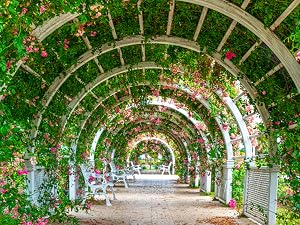
When properly applied, the Armor AR350 can last for up to 1-3 years before the need for a recoat.
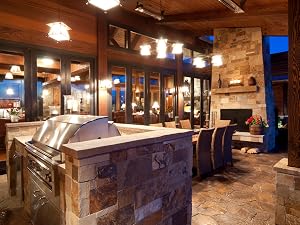
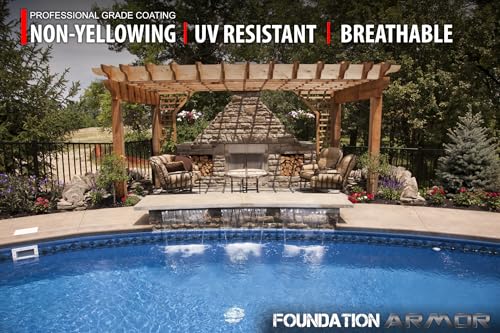
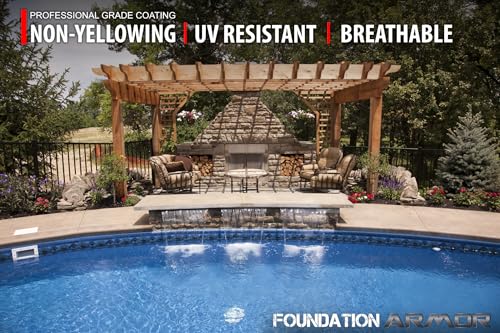
The Armor AR350 is breathable, UV-resistant, and non-yellowing. It is self-priming and offers a superior bond to concrete and concrete pavers.
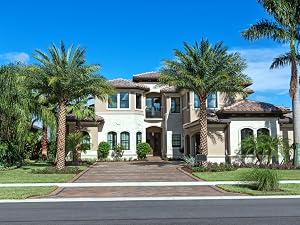
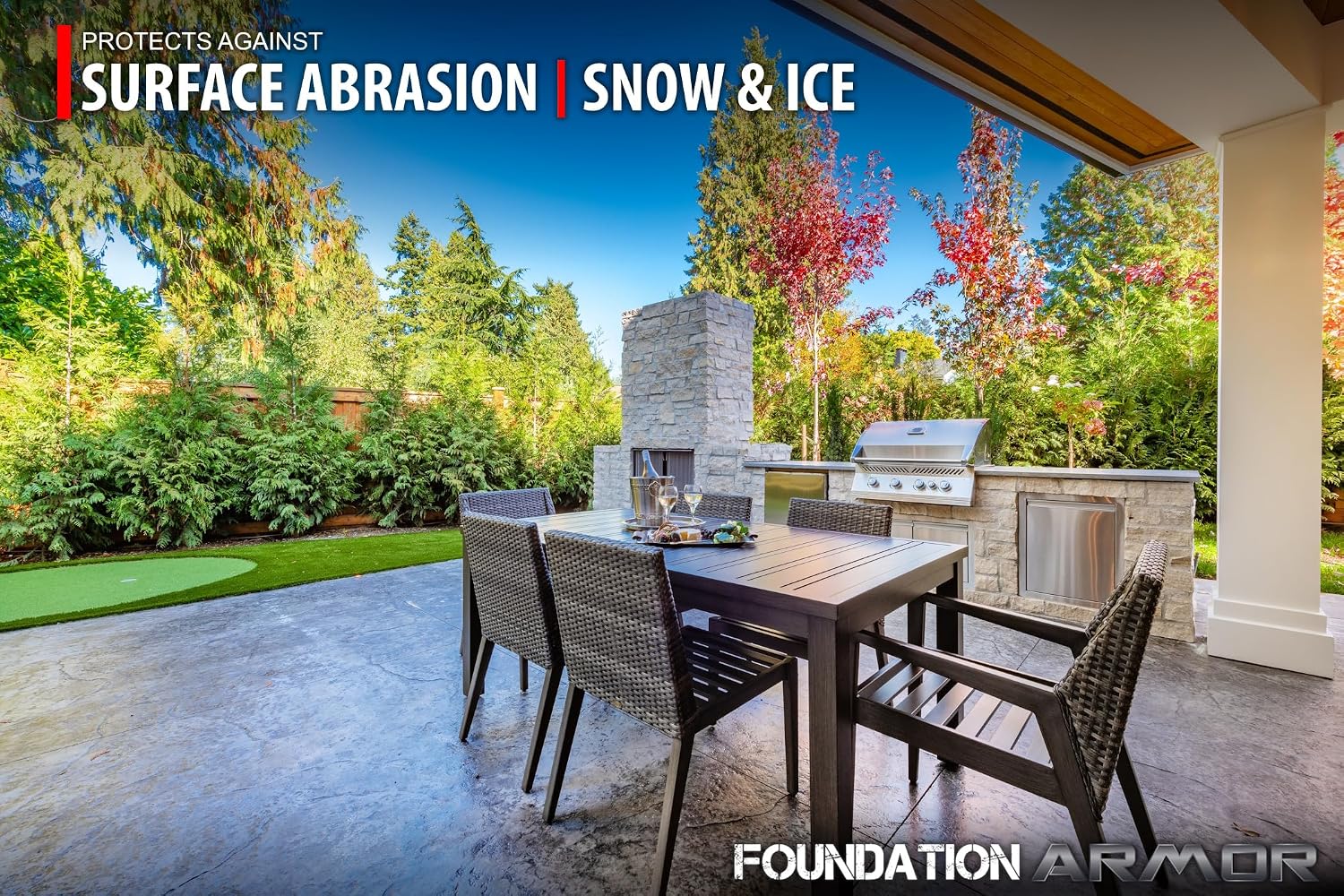
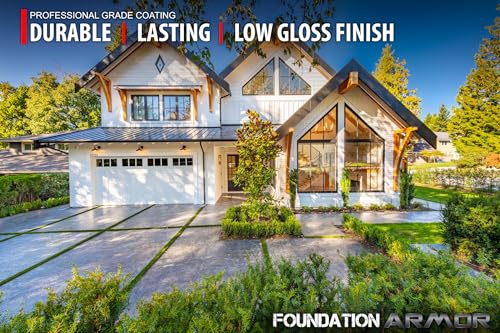
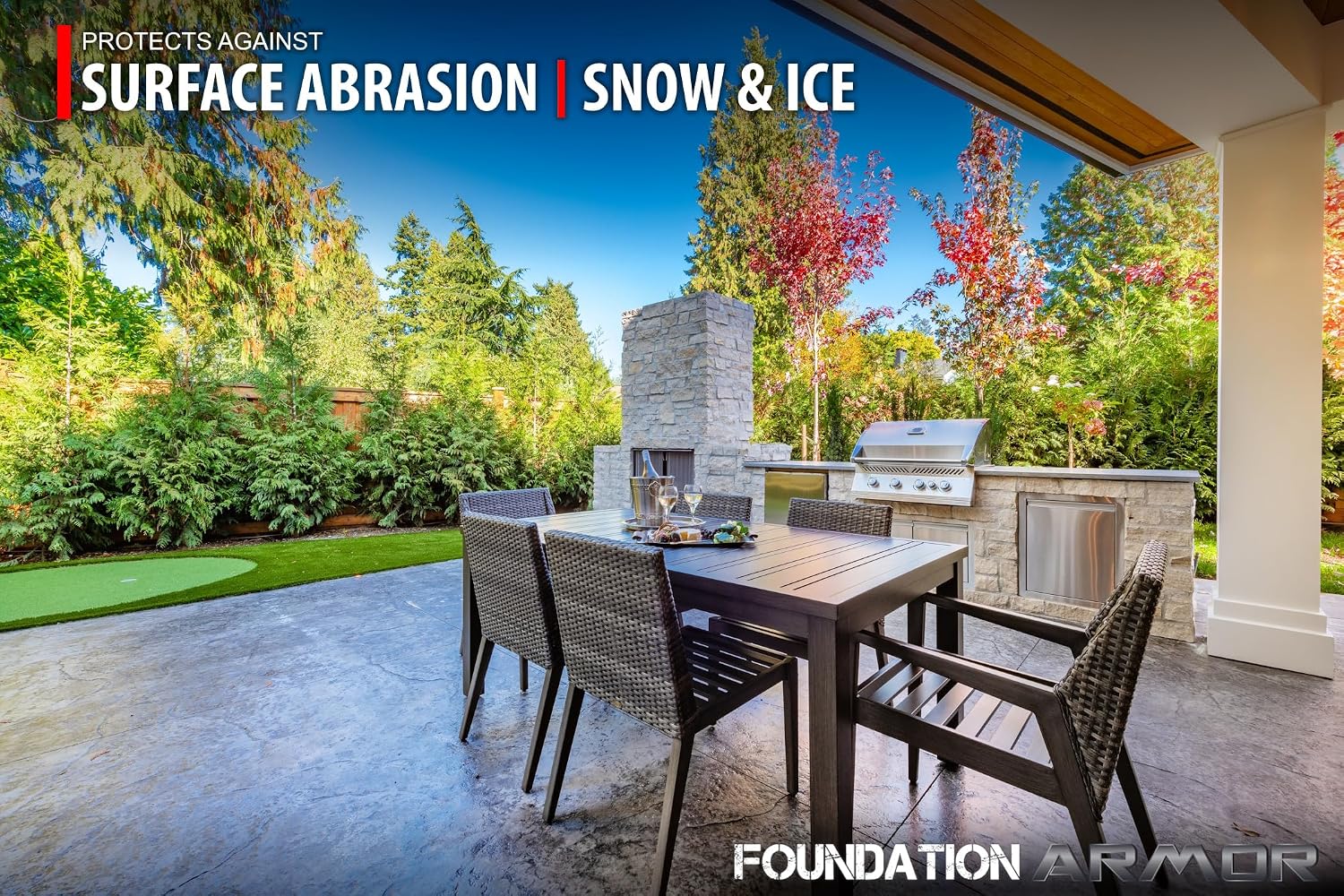
The durable low gloss surface film will reduce damage caused by surface abrasion, spills, water absorption, road salts, and weather.
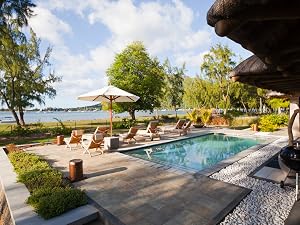
The Armor AR350 is made from non-recycled US-manufactured resins! Our high quality formulations are made right here in the USA!
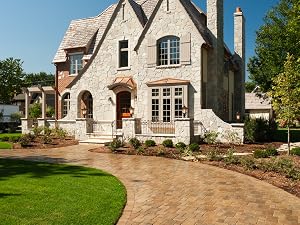
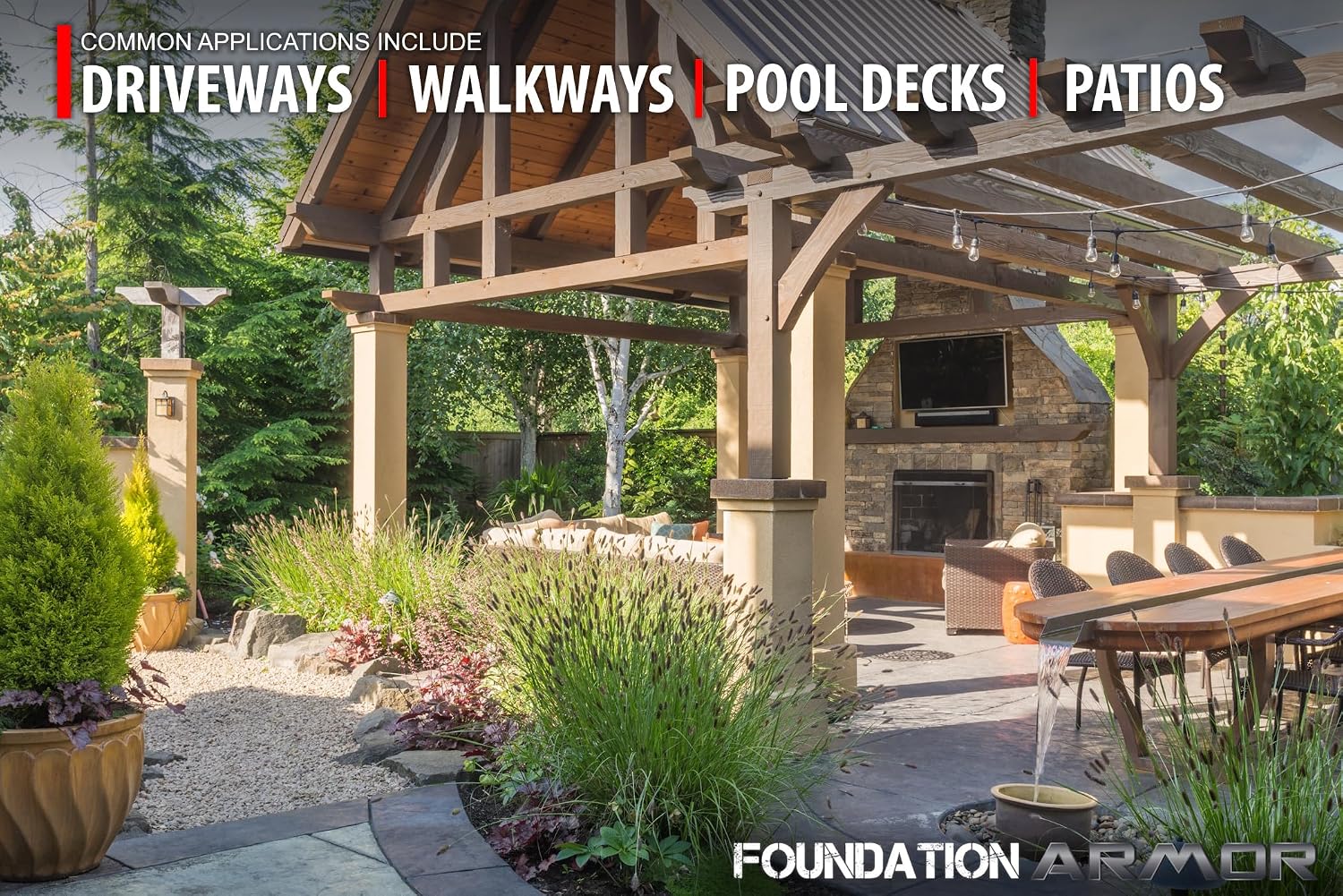
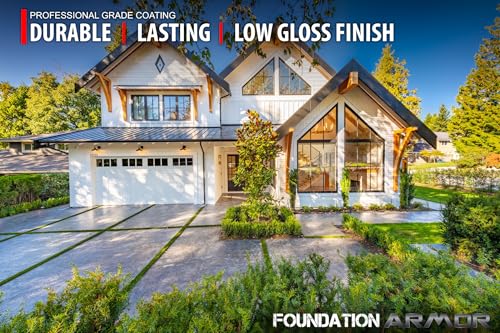
The Armor AR350 is a great low gloss wet look sealer for concrete and concrete paver driveways!
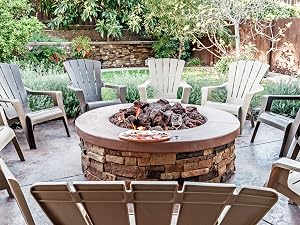
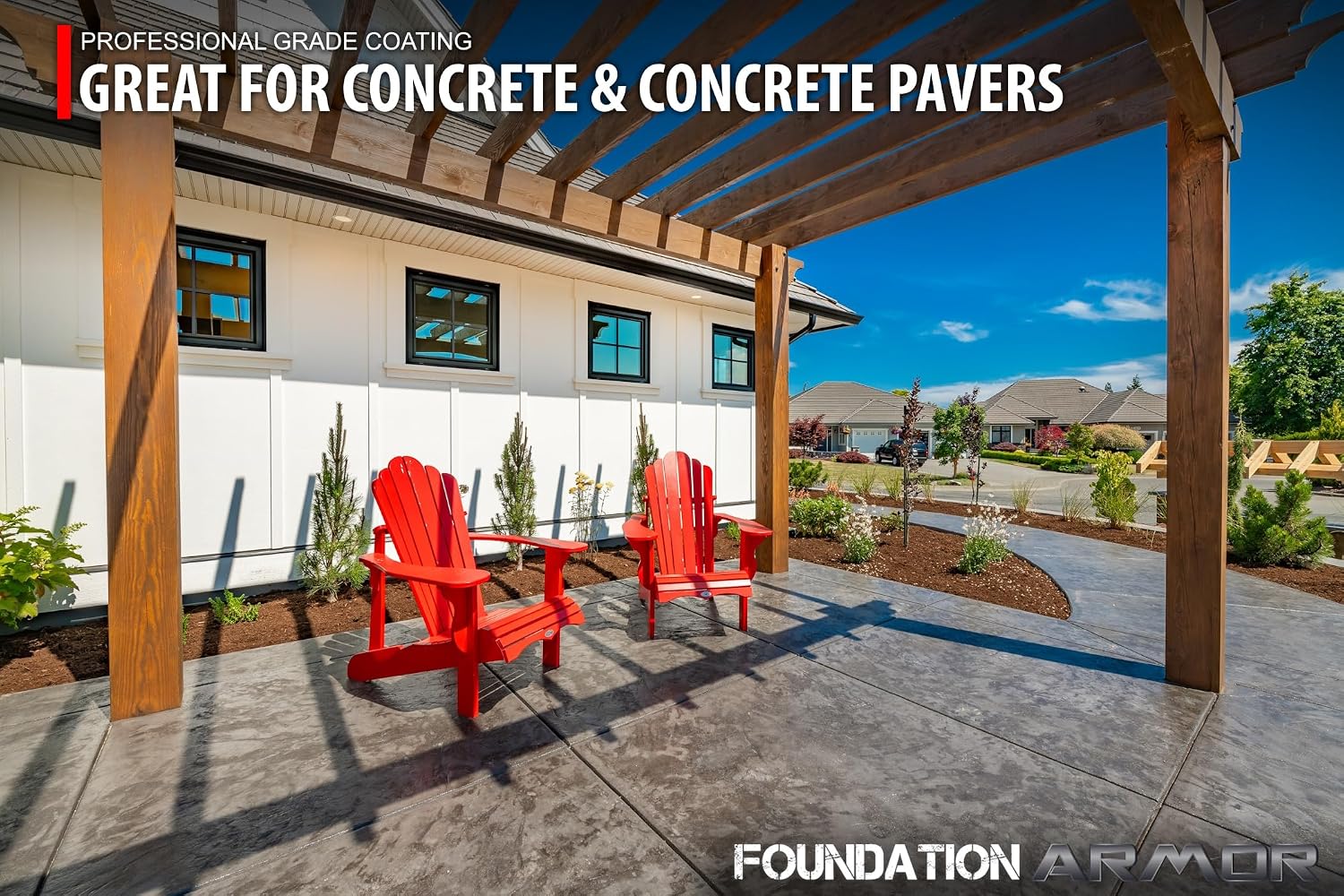
The Armor AR350 is a great low gloss wet look sealer for concrete and concrete paver patios.
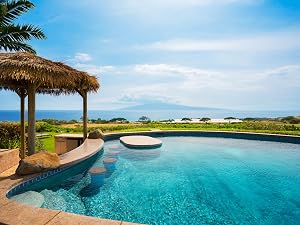
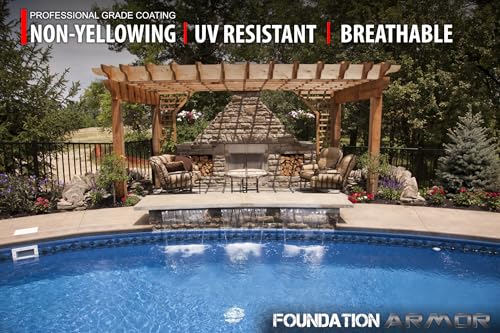
The Armor AR350 is a great low gloss wet look sealer for concrete and concrete paver pool decks.
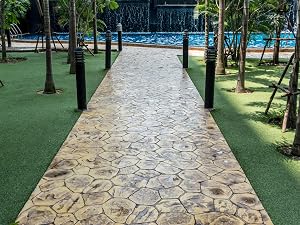
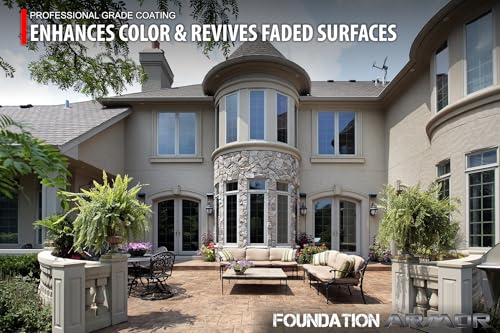
The Armor AR350 is a great low gloss wet look sealer for concrete and concrete paver surfaces where a color-enhancing low gloss finish is desired.
Uses: The Armor AR350 is designed for use on poured concrete, stamped concrete, aggregate concrete, and concrete paver surfaces. It can be applied to unsealed surfaces, and surfaces previously sealed with a solvent-based acrylic. Do not apply this product to red clay brick, slate, flagstone, or other types of natural stone. If you are looking to seal red clay brick, slate, flagstone, or any other type of natural stone, consider the Armor WL550 or the Armor SX5000 WB.
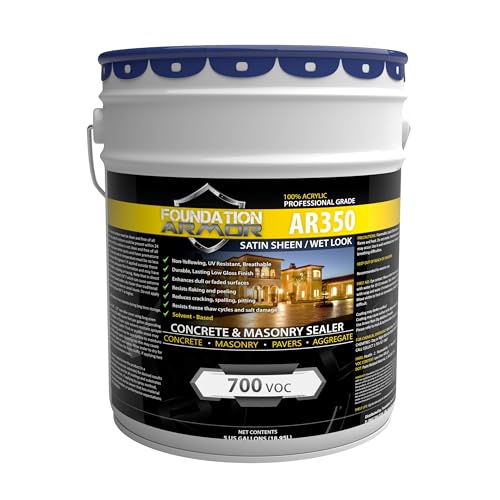
Choosing The Right VOC For Your State: VOC regulations for paint/sealers/coatings vary by state. Please use the following VOC guidelines to help choose the appropriate formulation for your project. If you have any questions, please don’t hesitate to contact a Foundation Armor technician.
Please note that the above information is for informational purposes only, and based solely on information known to Foundation Armor at the time this page’s publication. VOC regulations can change, and can vary by county within each state. Please consult your federal, state, and local regulations to ensure you are using a VOC compliant product. 350 and 50 VOC formulations. ship HAZMAT and may require a direct signature depending on the seller and shipping method they choose.
Coverage: Porous Surfaces: Up to 175 FT2/gallon in one coat. Smooth Surfaces (once properly prepped): Up to 200-225 FT2/gallon in one coat. Coverage will vary depending on porosity, surface condition, application method, and the amount of material applied by the applicator. The above coverage rates are estimates and will vary. Two coats are suggested for even coverage and appearance. Please note, if it is your first time sealing pavers, or an overly porous surface, a third coat may be required.
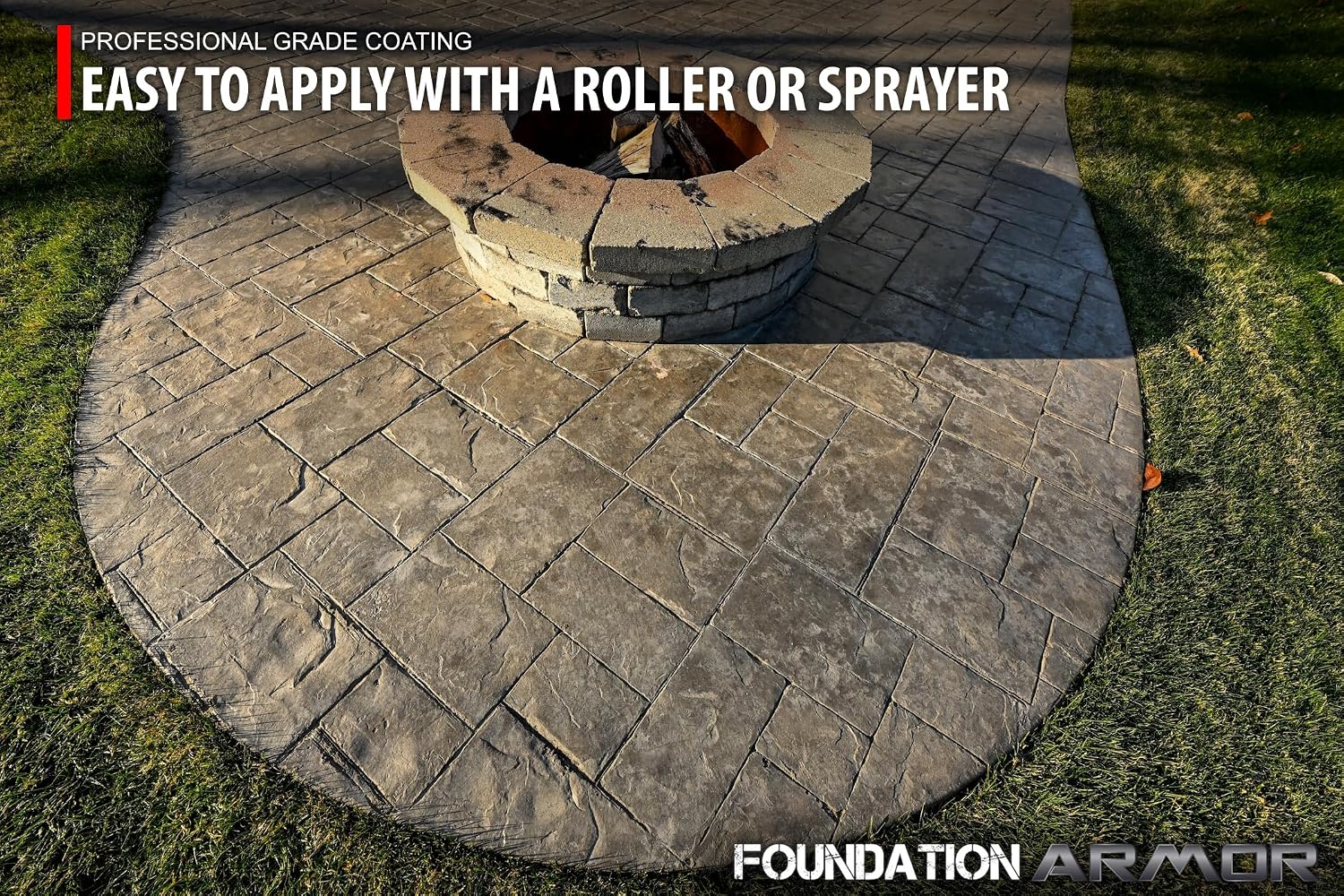
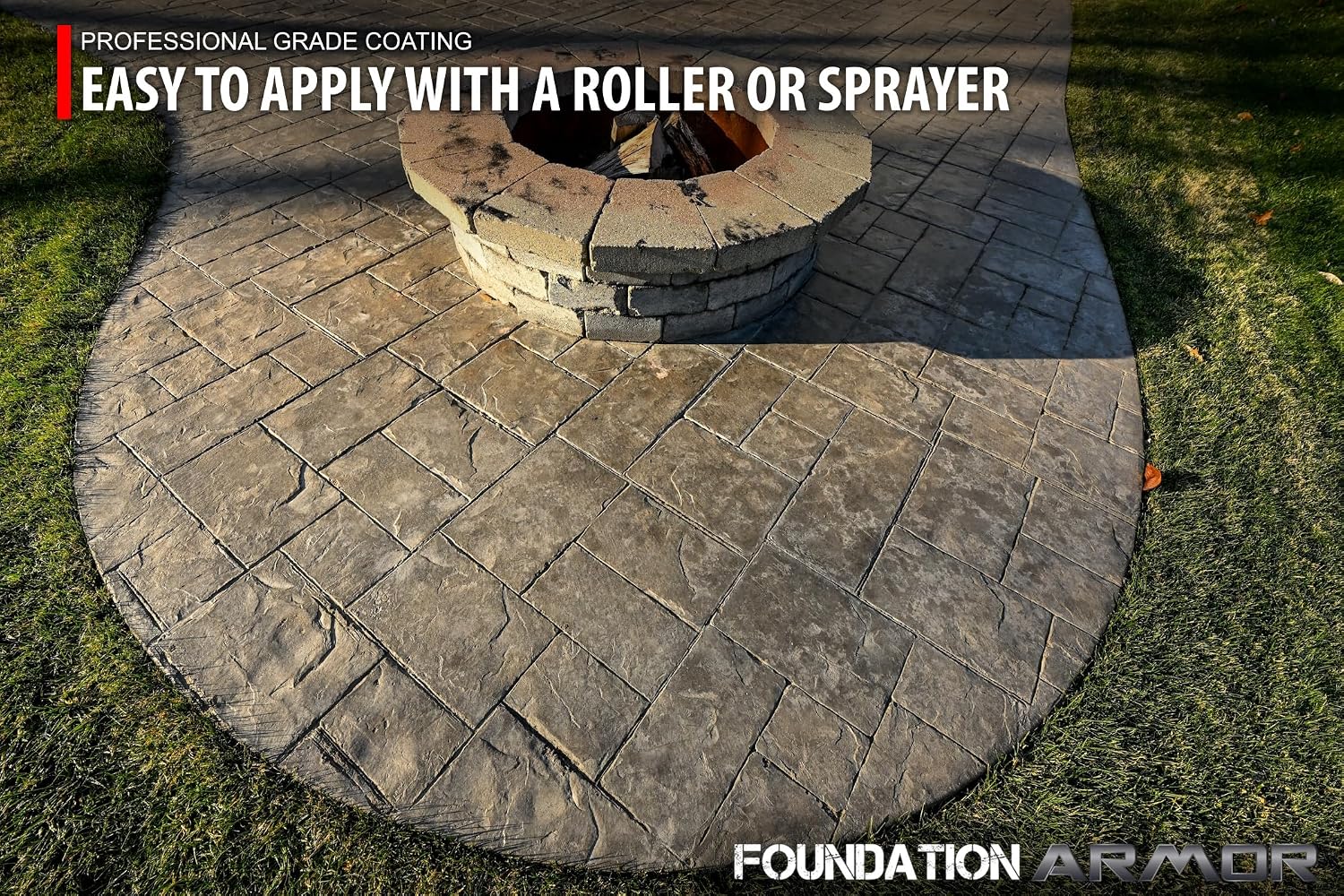
Application: The Armor AR350 can be applied with a 3/8-1/2” nap roller, or a solvent resistant commercial pump sprayer like the Foundation Armor Industrial Sprayer. For a consistent wet look and low gloss finish, apply two coats spaced 24 hours apart.
Time Of Day: The Armor AR350 should only be applied in the early evening when air and surface temperatures are declining, and when the sun is no longer positioned over the surface. To avoid bubbling and hazing, do not apply in the morning or middle of the day.
Surface Preparation: The Armor AR350 should be applied to a completely clean and dry surface. If the surface was cleaned with water or pressure washed prior to application, allow the surface to dry for at least 24 hours before sealing. While pressure washing the surface is typically sufficient, spot treatment may be necessary for deep or older stains. Uses: The Armor AR350 is designed specifically for use on unsealed concrete and concrete paver surfaces, as well as concrete and concrete pavers previously sealed with a solvent based acrylic. If the concrete is smooth or trowel finished, and doesn’t quickly and easily absorb water, other surface preparation may be required to open up the surface pores, such as acid etching or grinding. The Armor AR350 should not be used to seal clay brick, red Chicago pavers, flagstone, slate, or natural stone. If you are looking to seal clay brick, red Chicago pavers, flagstone, slate, or natural stone, consider instead of the Armor WL550 or the Armor SX5000 WB.
Note About Sealing Pavers: Please note, while the Armor AR350 can be applied over paver joints, it is not designed as a bonding agent and will not harden or bond the loose sand in the paver joints. If applying with a roller, loose sand in the joints may cling to the roller and be redistributed across the pavers. For best results, apply first coat with a sprayer if you are applying to pavers with loose sand in the paver joints.
When applying to porous pavers, gloss level may be reduced, and more material may be required to achieve desired finish. Do not apply to pavers that are installed over a concrete slab or concrete base. This will result in continuous issues with blushing and delamination.
Note About Applying the 50 VOC Formula: If you are using the 50 VOC formula, please note that due to the low VOC formulation, the working time with the product is reduced significantly. You will need to work fast, and in small sections. It is also important to avoid over-rolling the product. You must keep the roller heavily saturated to prevent the material from setting up as you are rolling. If you don't keep the roller saturated, or if you over-roll, the material will start to set up and become tacky and stringy in texture. If the product is drying too fast and you need more working time, you can add up to 6 ounces of acetone per gallon of sealer and mix well.
Adding Foundation Armor Non-Slip: For added surface traction, the Armor Non-Slip additive can be added. The ultra-fine, fine, and coarse Armor Non-Slip additives works best in the Armor AR350. Applying the Ultra-Fine: Slowly drill mix 3-6.5 ounces of non-slip additive per gallon of sealer, until completely blended, then apply. For Fine and Coarse: When applying the second coat, add the non-slip additive to the coating using a broadcast spreader, and back roll to encapsulate the non-slip additive.
Adding Foundation Armor Color-Packs: Opaque and semi-transparent color packs are available from Foundation Armor and can be easily mixed into the product before applying.
Clean-Up: Use Xylene or acetone. Dispose of containers in accordance with local and federal regulations. Product Removal: Dried, cured sealer may be removed with the Armor CR100, or by using a diamond grinding method, sandblasting method or similar mechanical action. What do I do if the sealer turns white or bubbles? If solvent-based acrylics are introduced to water, direct sun, or high heat during the curing process, white spots or bubbles can form. If this happens, simply roll over the areas in the early evening with Xylene, or the Armor Blush Repair, for 30-60 seconds until tacky and allow sealer to properly recure. Prior to use, refer to the updated Technical Data Sheet and Safety Data Sheet posted on the manufacturer's website.
loading