







Free worldwide shipping
Free returns
Carbon neutral
Secure payments
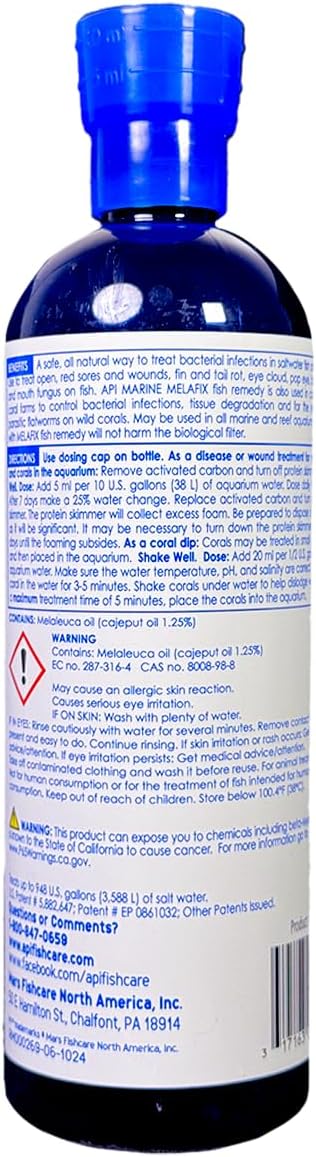
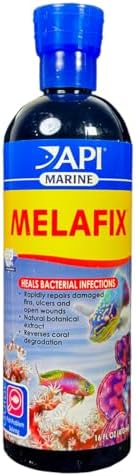
| Unit Count | 1 Count |
|---|---|
| Manufacturer | Mars Fishcare |
| UPC | 764999738558 317163043110 |
| Global Trade Identification Number | 00317163043110 |
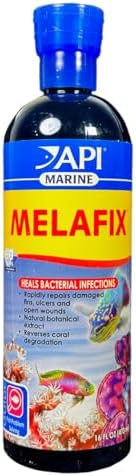
| Item Type Name | Aquarium Antibacterial Remedy |
| Model Number | 311D |
| Manufacturer Part Number | 311D |
| Liquid Volume | 16 fluid ounces |
| Item Weight | 6.4 ounces |
| Item Form | Liquid |
| Pet Type | Fish |
| Target Species | Fish |
| Allergen Information | Apple Free |
| Number Of Packs | 1 |

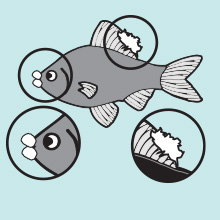
• Whitish cottony tufts or patches appear on the mouth, skin and fins of tropical fish, goldfish and koi.
• We recommend API PIMAFIX.
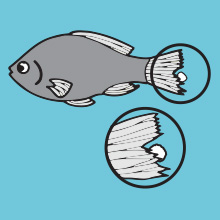
• Fins appear ragged and split. Disease can progress until fins and tail are completely eroded.
• Secondary fungal infections commonly occur.
• We recommend API MELAFIX (or BETTAFIX if you have a betta fish), or alternatively PIMAFIX or FIN & BODY CURE.
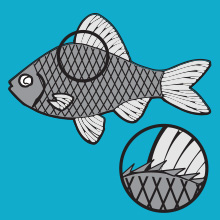
• Fish develop a bloated appearance due to accumulation of fluid in the body cavity.
• Scales may appear to stick out from the sides of fish.
• In advanced cases, fish lose the ability to swim and may float upside down.
• We recommend API MELAFIX (or BETTAFIX if you have a betta fish) or PIMAFIX, or alternatively FIN & BODY CURE.
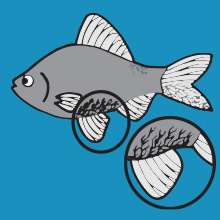
• Fish show blood streaks in the fins and body.
• We recommend API MELAFIX (or BETTAFIX if you have a betta fish), or alternatively PIMAFIX or FIN & BODY CURE.
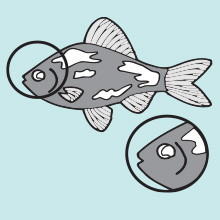
• Eyes develop a whitish haze and/or protrude from the head.
• Hazy or slimy patches appear on the bodies of fish.
• If infested with parasites, fish may scratch on objects in the aquarium and exhibit rapid breathing.
• We recommend API MELAFIX (or BETTAFIX if you have a betta fish), or alternatively PIMAFIX or FIN & BODY CURE.
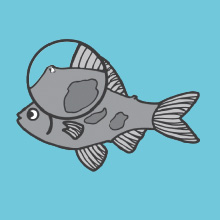
• Fish exhibit open red sores on the body.
• We recommend API MELAFIX (or BETTAFIX if you have a betta fish), or alternatively PIMAFIX, E.M ERYTHROMYCIN or FIN & BODY CURE.
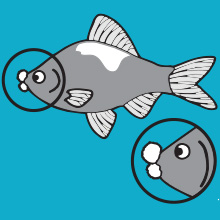
• Raised, gray patches are observed on the fins and mouth areas of fish.
• Live bearers, such as guppies and mollies, develop grayish patches on their backs, giving rise to the name “saddle back disease.”
• Infected areas may develop into red ulcers and infect the gills, causing rapid loss of fish.
• We recommend API MELAFIX (or BETTAFIX if you have a betta fish) or PIMAFIX, or alternatively E.M ERYTHROMYCIN or FIN & BODY CURE.
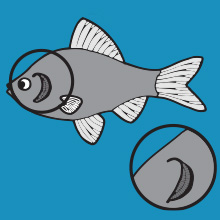
• Fish will scratch against objects and appear listless. A grayish film may form on the body.
• Rapid breathing in fish may be accompanied by gasping at the surface of the water, or the fish sitting on the bottom of the aquarium.
• Gills undergo severe damage, leading to suffocation and death.
• We recommend API MELAFIX (or BETTAFIX if you have a betta fish), or alternatively PIMAFIX, E.M ERYTHROMYCIN or FIN & BODY CURE.
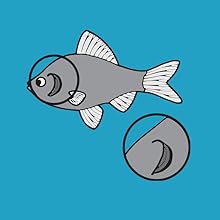
• Most parasitic worms are not visible without the aid of a microscope. Fish will scratch against objects and appear listless. A grayish film may form one the body.
• Rapid breathing in fish may be accompanied by gasping at the surface of the water, or the fish sitting on the bottom of the aquarium.
• Gills undergo severe damage, leading to suffocation and death.
• We recommend API GENERAL CURE. For secondary or fungal infection, use MELAFIX (or BETTAFIX if you have a betta fish) and PIMAFIX together.
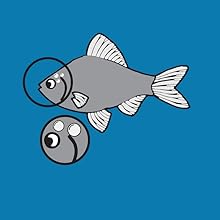
• The most obvious symptom is the pitting and erosion of skin and muscle tissue around the face of the fish. This erosion appears to be a symptom of the parasite's presence in the intestinal tract, not on the surface of the fish.
• Many fish exhibit poor appetite, weight loss and nervousness; without proper treatment, death ultimately results.
• We recommend API GENERAL CURE
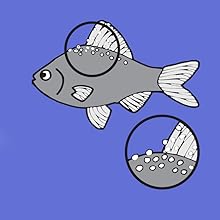
• Early symptoms of this infection in fish include darting in the aquarium and scratching against the gravel and ornaments.
• Fish exhibit labored breathing and may remain at the water's surface, near filters and aeration devices.
• White spots may or may not be visible on the fish.
• We recommend API SUPER ICK CURE along with API AQUARIUM SALT
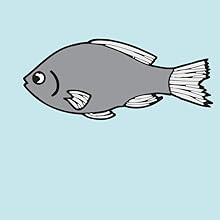
• Fish may scratch on objects in the aquarium.
• Slimy skin may develop on fish and fins may be clamped.
• Labored breathing may be observed.
• We recommend API SUPER ICK CURE along with API AQUARIUM SALT.
loading